

Shops
Discover tooling guidance for sign makers, fabricators, joiners and workshops cutting wood, boards, plastics and aluminium.
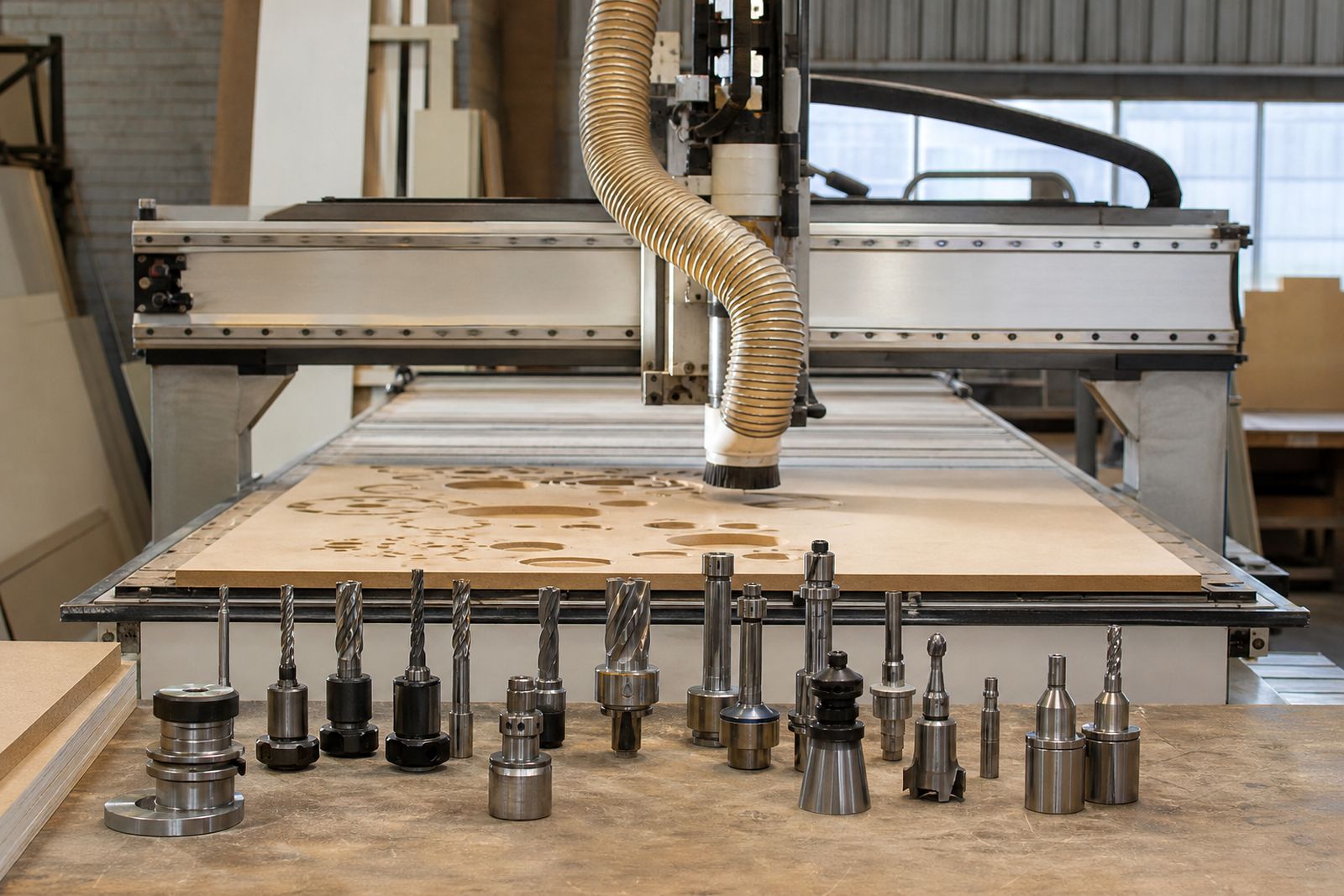
Choosing cutters for sign and display shops
Sign shops and display fabricators rely on crisp edges in everything from acrylic to ACM and foam PVC. The right spiral flute or single-flute router bit makes the difference, especially for small text or logo details. Compression spirals are good for double-sided work or where you want chip-free top and bottom faces. For aluminium signage and nameplates, uncoated carbide or polished single-flute cutters reduce burring and stop chip welding, especially with an air blast or mist cooling.
Start with a 3 to 6 mm upcut or downcut for most jobs, and test feed rates around 2 to 4 metres per minute at 18,000 to 22,000 rpm, adjusting chip load for the material and finish. Remember to clear chips often and check that the collet grips firmly to prevent runout. If you are running a vacuum bed, keep the spoilboard flat and surface it with a flycutter or surfacing bit every month.
Tooling for joiners, kitchen and furniture makers
Joiners and cabinet makers need cutters that can handle long runs and tough board materials like MDF, chipboard, melamine or hardwood. Up-spiral end mills are best for fast chip removal when cutting through, but for laminated boards, a compression spiral leaves both faces neat and splinter-free. For mortises or slots, a straight flute or roughing end mill reduces chatter and speeds up waste removal in deep pockets.
Start with a 6 to 12 mm compression spiral on a 3-axis CNC running at 4 to 8 metres per minute with 3 to 6 mm stepdowns. Always use dust extraction and never reach in while the spindle is moving. For hinges or fittings, our small-diameter slotting cutters and chamfer bits give sharp, consistent results. Clean your collets with a soft brush and check for resin build-up every day to keep tool life up and cut quality sharp.
Cutters for acrylic and aluminium fabricators
Acrylic and aluminium work needs the right flute geometry to avoid melting or burring. For acrylic, a sharp single-flute or O-flute end mill provides a clear edge and chips that eject easily, reducing heat build-up. Aluminium needs an uncoated, highly polished single or two-flute cutter to prevent chip welding. An air blast or mist system is recommended to keep chips moving and the cutter cool, especially in humid areas like Durban.
Set your feed rates on acrylic around 2 to 6 metres per minute at 16,000 to 22,000 rpm, and on aluminium, start with 1 to 3 metres per minute at 14,000 to 18,000 rpm, adjusting as you dial in for your machine’s rigidity and hold-down. Always measure runout with a dial indicator if you are chasing clear edges or fine features.
Practical choices for trophy and packaging shops
Trophy makers and packaging builders use a mix of plastics, woods and even thin aluminium. For engraving on wood or trophies, V-bits and small-diameter ball nose cutters handle fine details without chipping. For packaging prototypes, straight flute bits and upcuts in the 3 to 6 mm range keep cuts clean and reliable through corrugated board or MDF.
When holding down small pieces, tabs or a thin onion-skin pass can stop parts shifting if you don’t have a high-flow vacuum bed. Run your feeds at a moderate rate and check your stepover to balance speed and surface quality. Always double-check your collet nut torque, especially after a power cut or controller reset.
Tooling for school and college CNC workshops
Many school and college training workshops run entry-level CNC routers on everything from pine to plastics. Safety is key: always use guards, hearing and eye protection, and dust extraction. Teach students to check collet cleanliness, tighten nuts to spec and never reach in while the spindle turns. For most work, tough carbide upcut spirals in 3 to 6 mm are a reliable starting point, with a slower feed set between 1 to 3 metres per minute.
Use printable feeds and tool-life cards from our Sunnyrock team to help learners log usage and keep track of regrinds. For schools on a budget, we arrange regrinds with local partners so you always have sharp tools. Cut aluminium with an air blast if possible, and retire cutters at the first sign of chipped edges or poor finish.
Support for hobby, starter and compact CNC owners
Hobbyists and owners of compact CNC machines face space and power limits, but still want pro-quality results. We recommend short-stick-out cutters and light passes to keep vibration down, especially on lighter machines or during power cuts. Stick to 3 to 6 mm two-flute spirals for most softwoods and plastics, and use V-bits or small ball nose cutters for detail work.
Always start with lower rpm (12,000 to 16,000) and slower feeds, then test on scrap to find the machine’s sweet spot. Clean your collet weekly and check runout often with a dial indicator, as even a fraction of a millimetre can affect small machines. Use our contact form to chat with our team about planning your feeds or choosing your first set of tools.
Shops
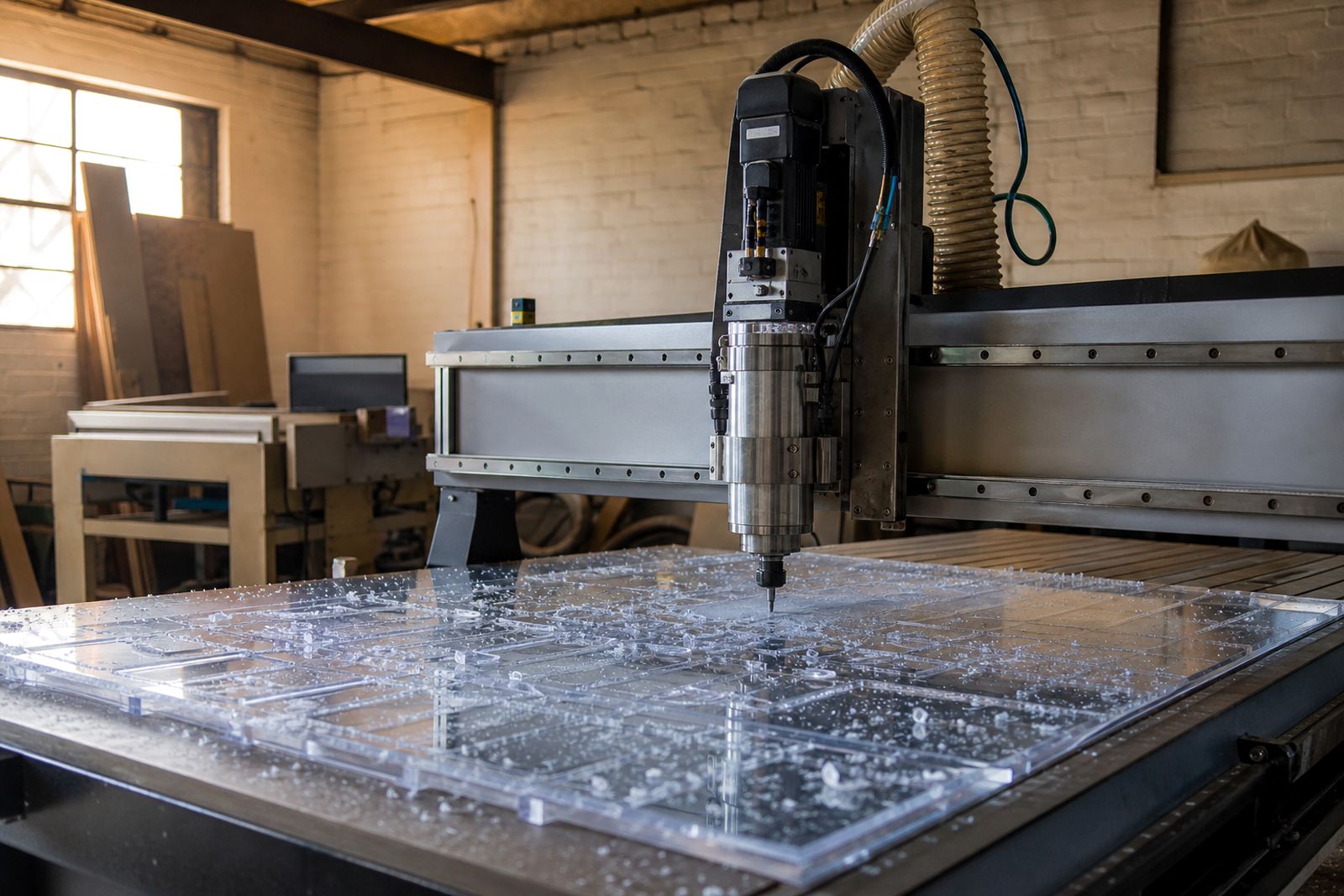
Acrylic fabricators
Get clean, cool acrylic edges and chip control with CuTool’s proven cutters for fabricators. Acrylic fabricators rely on our acrylic chip breaker, Sign.
Read more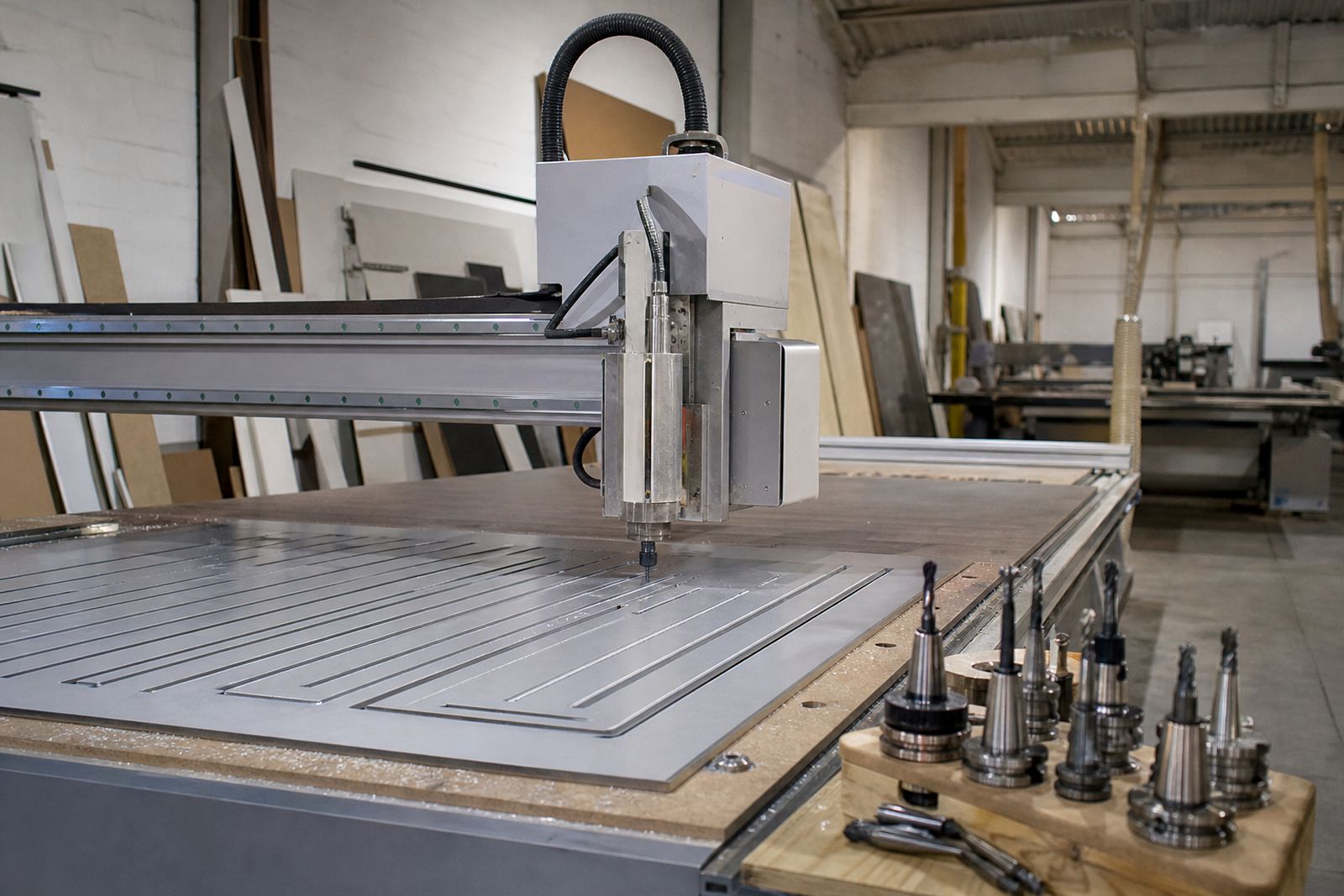
Aluminium trim shops
Aluminium trim and extrusion shops need crisp, burr-free cuts and accurate slots for shopfronts, signage, displays and architectural details.
Read more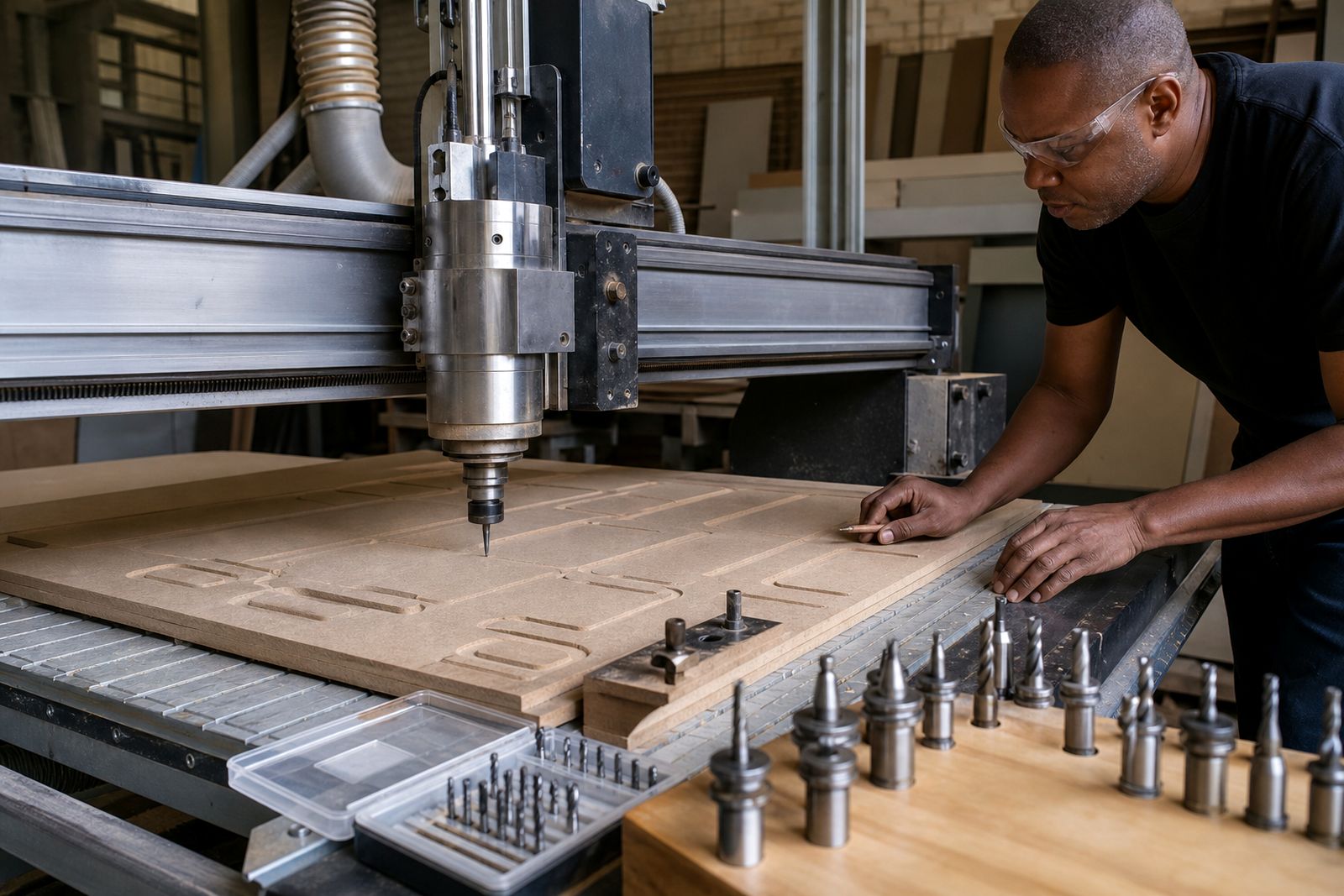
CNC hobby cells
CuTool gives hobby CNC owners the right cutters and advice to get started with confidence and keep their machine running clean.
Read more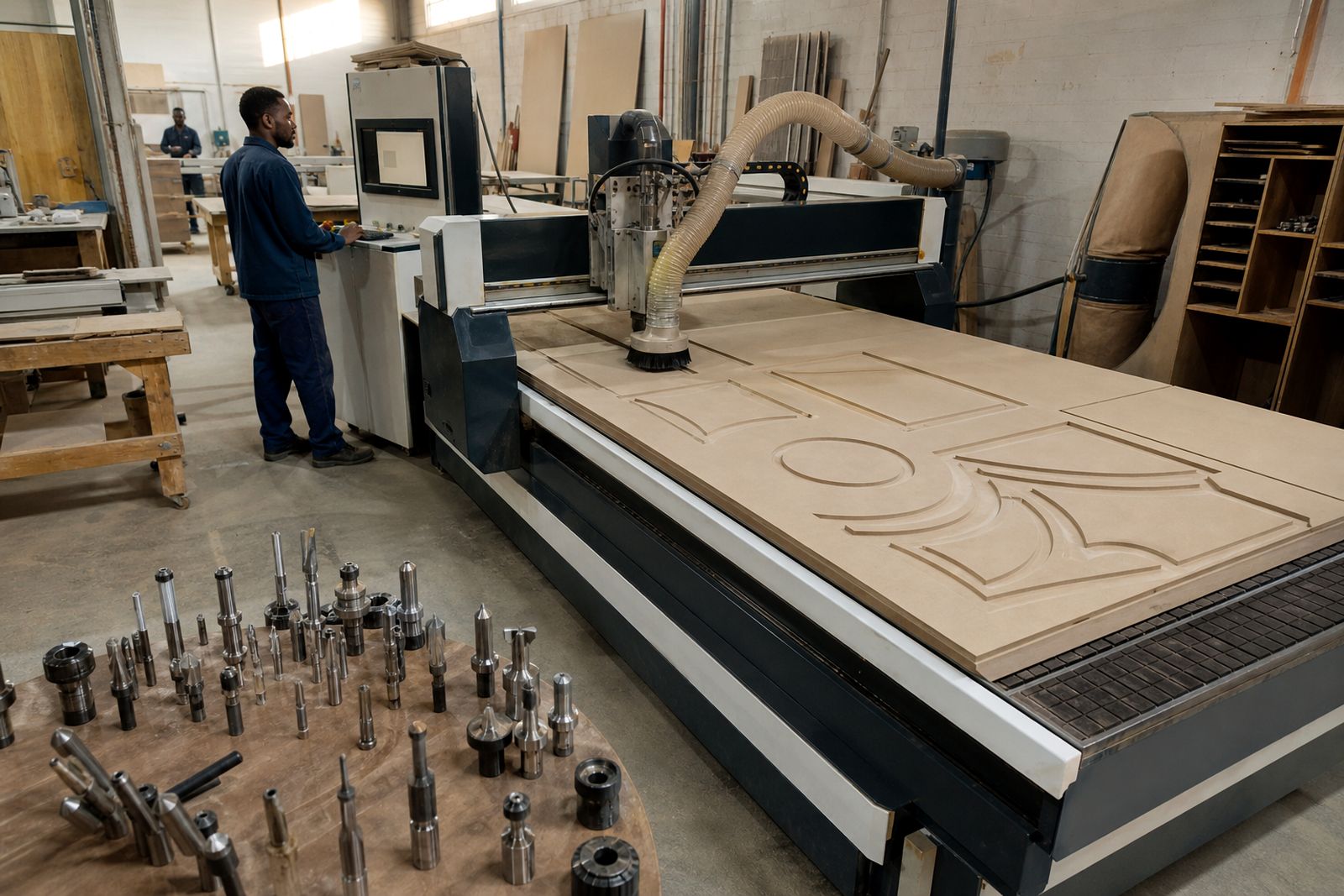
Exhibition stands
Exhibition stand builders need versatile relief and panel tooling to handle everything from dramatic 3D features to crisp, clean facings.
Read more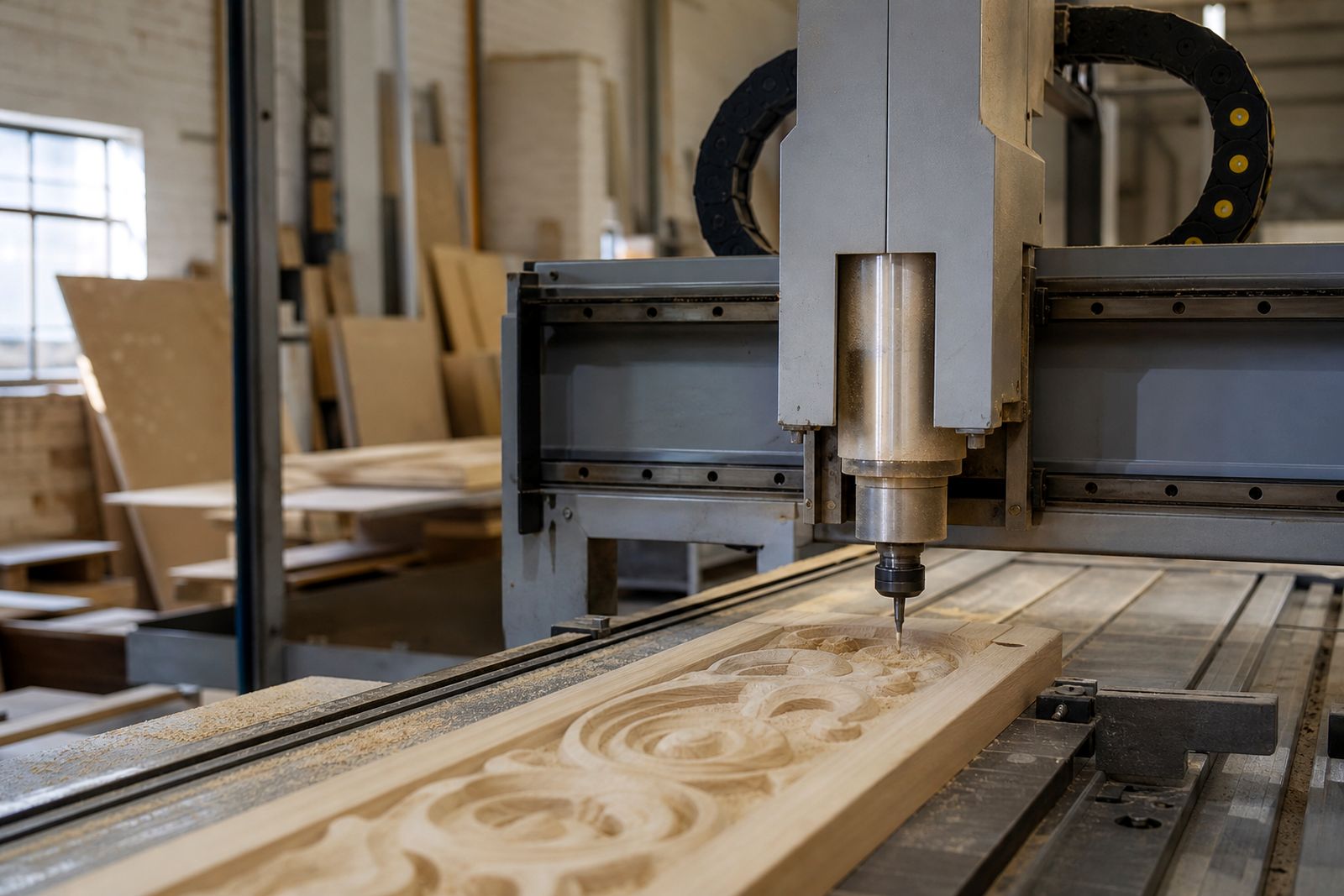
Furniture studios
Small furniture studios working in softwoods rely on crisp relief carving, clean edges and reliable finishing to stand out.
Read more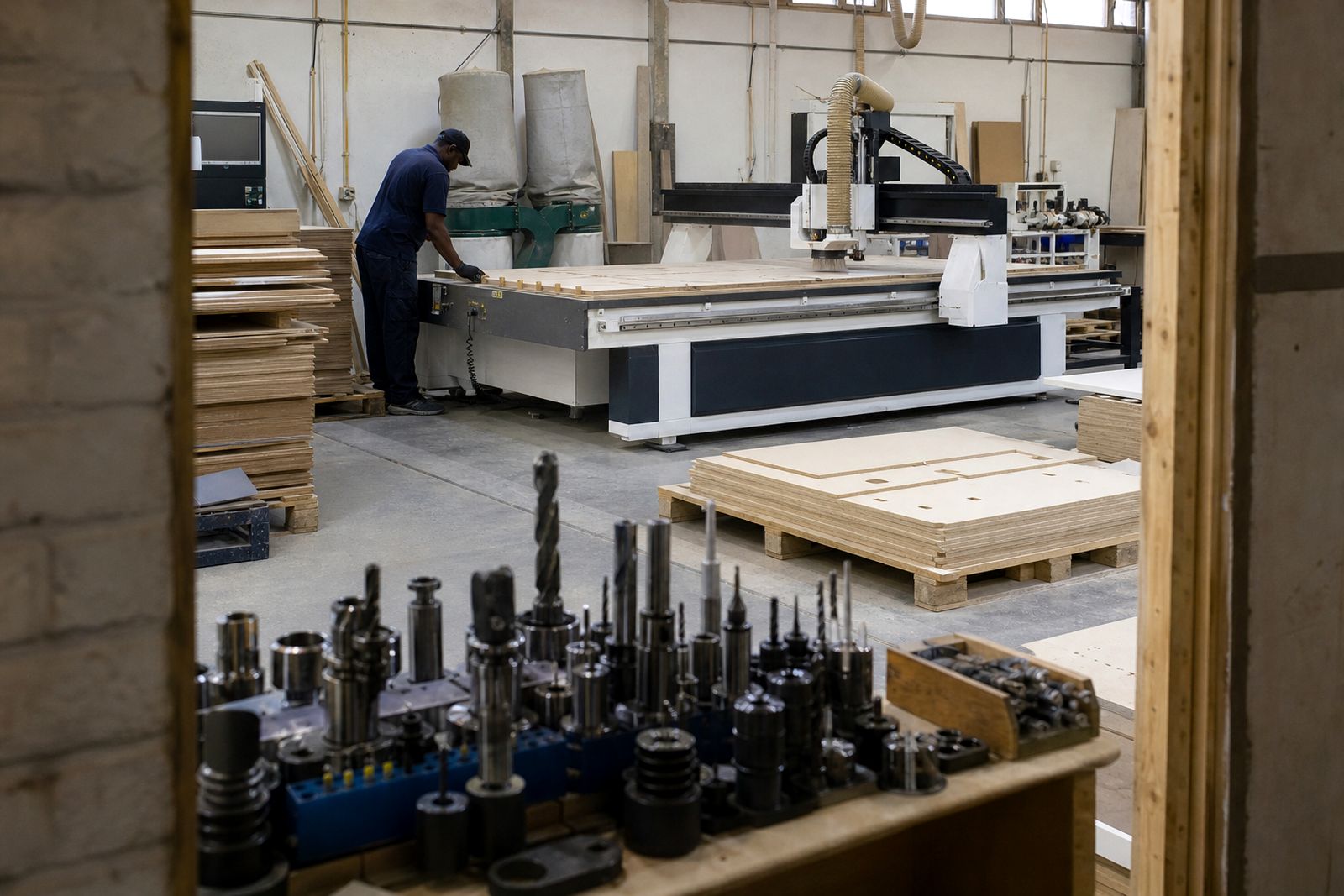
Joinery cells
Efficient joinery cells rely on the right sequence of spiral and straight router bits to keep production flowing, even when sharing a single spindle.
Read more
Kitchen makers
Compression nest bits from CuTool keep melamine chips down and keep your kitchen panels sharp right through a busy cutting week.
Read more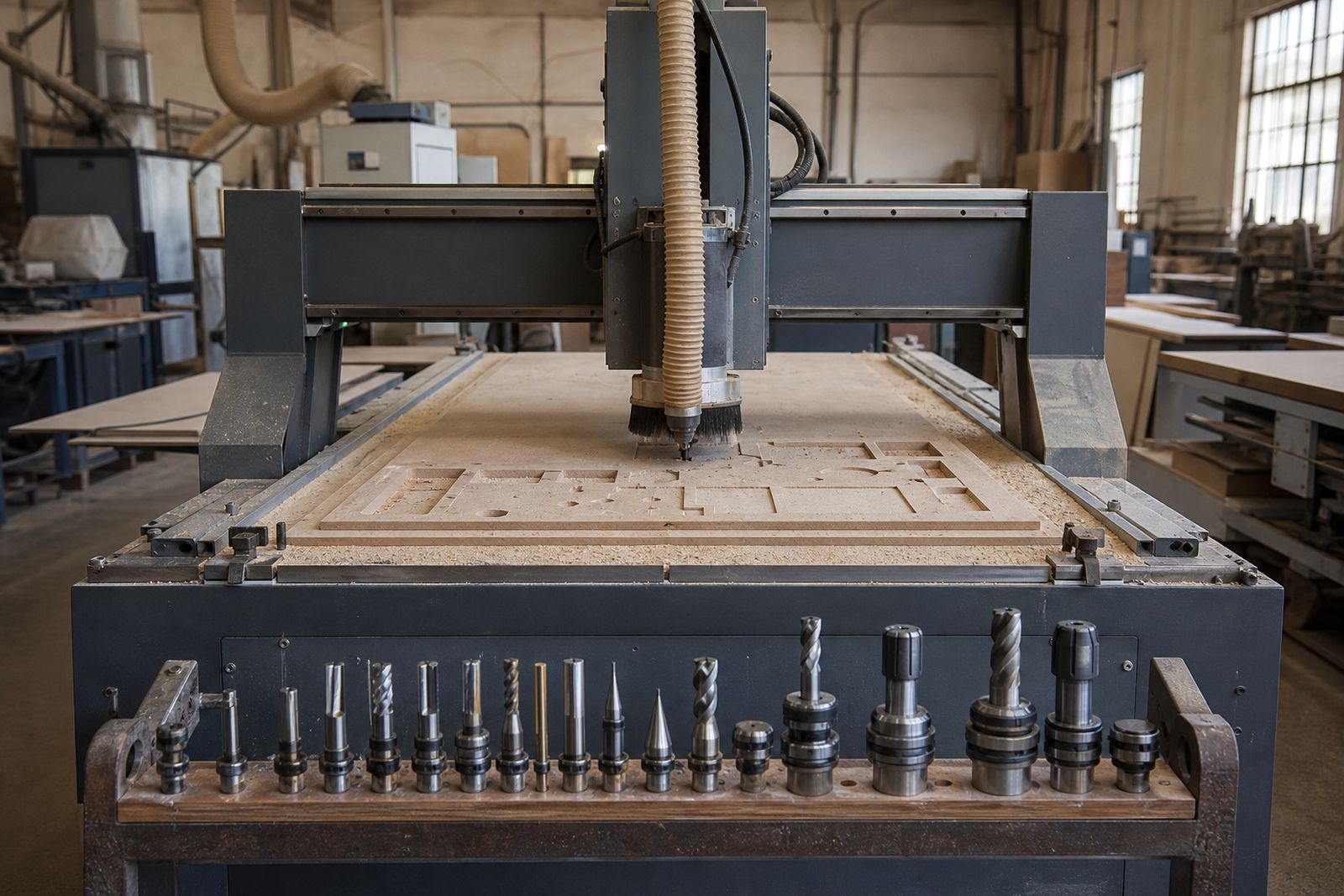
Mall fit-out crews
Shopfitters rely on CuTool’s specialised cutters to handle tight deadlines and complex nesting jobs.
Read more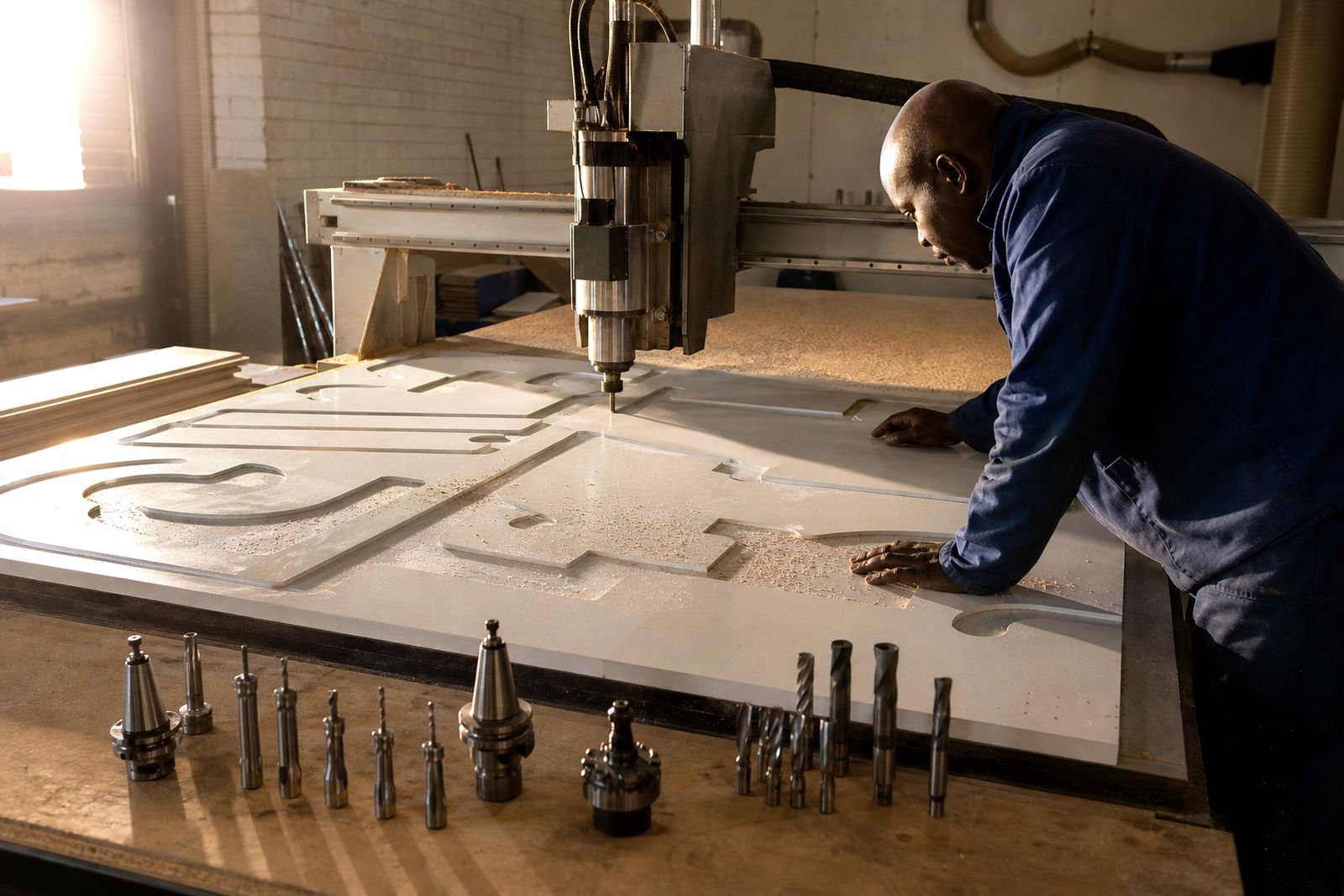
Outdoor sign shops
Outdoor sign shops tackle ACM, PVC and composite boards with precision, needing clean edges that survive the Highveld sun or coastal weather.
Read more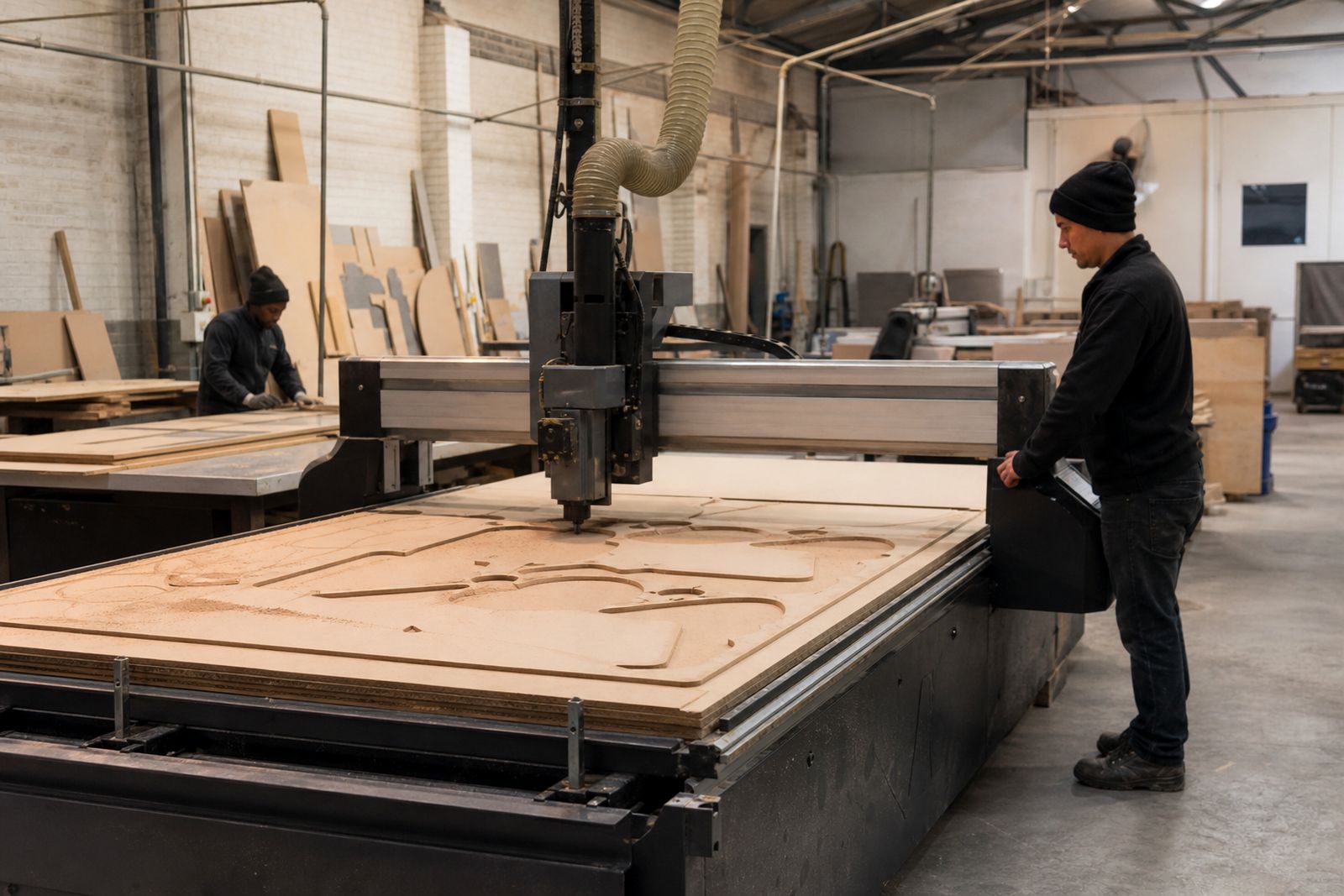
Packaging cut cells
Packaging cut cell workshops rely on accurate, clean foam and board cutting with dependable tool life tracking for day-to-day productivity.
Read more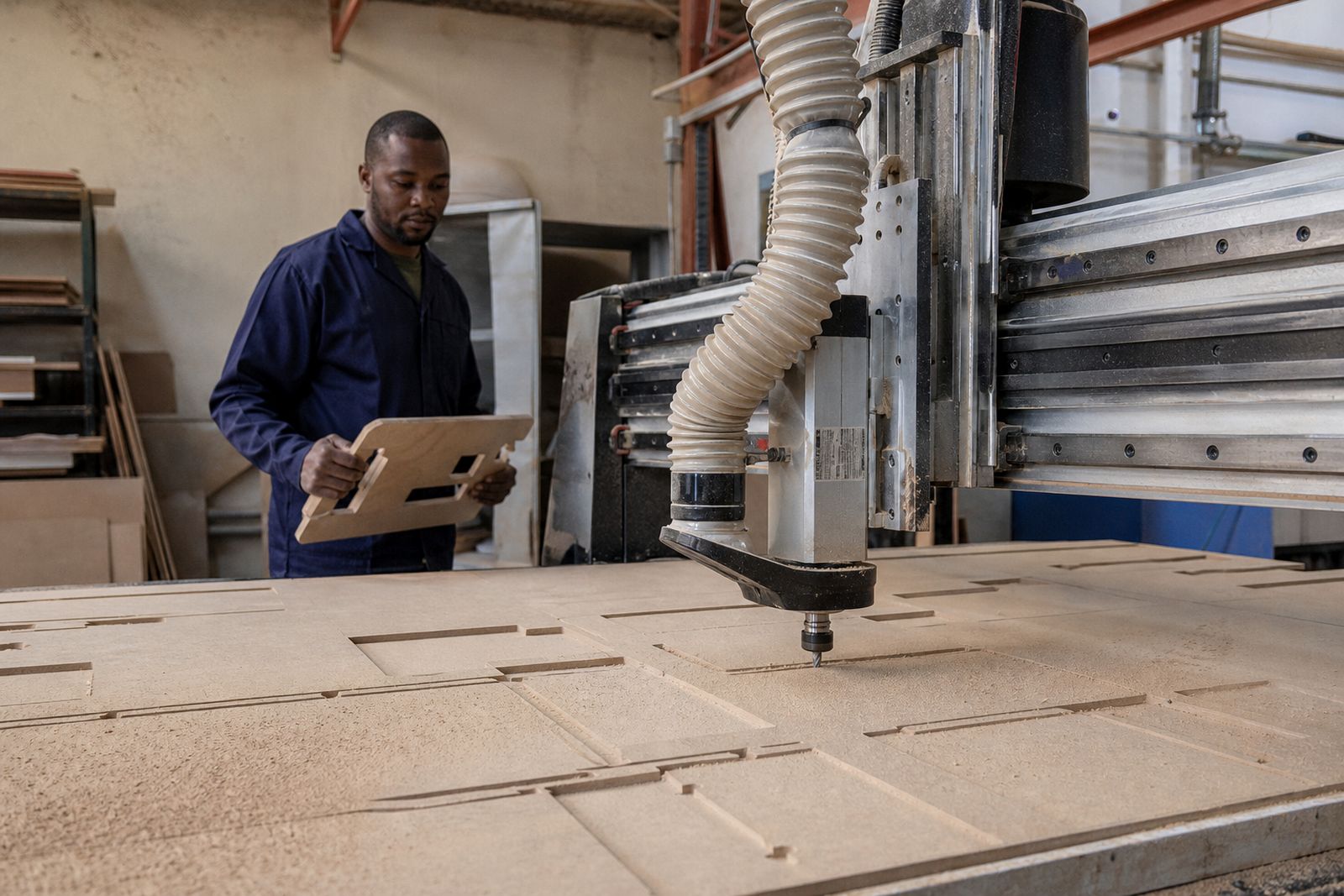
Prototype cells
Prototype cells need versatile tooling for quick changeovers and consistent results on shifting materials.
Read more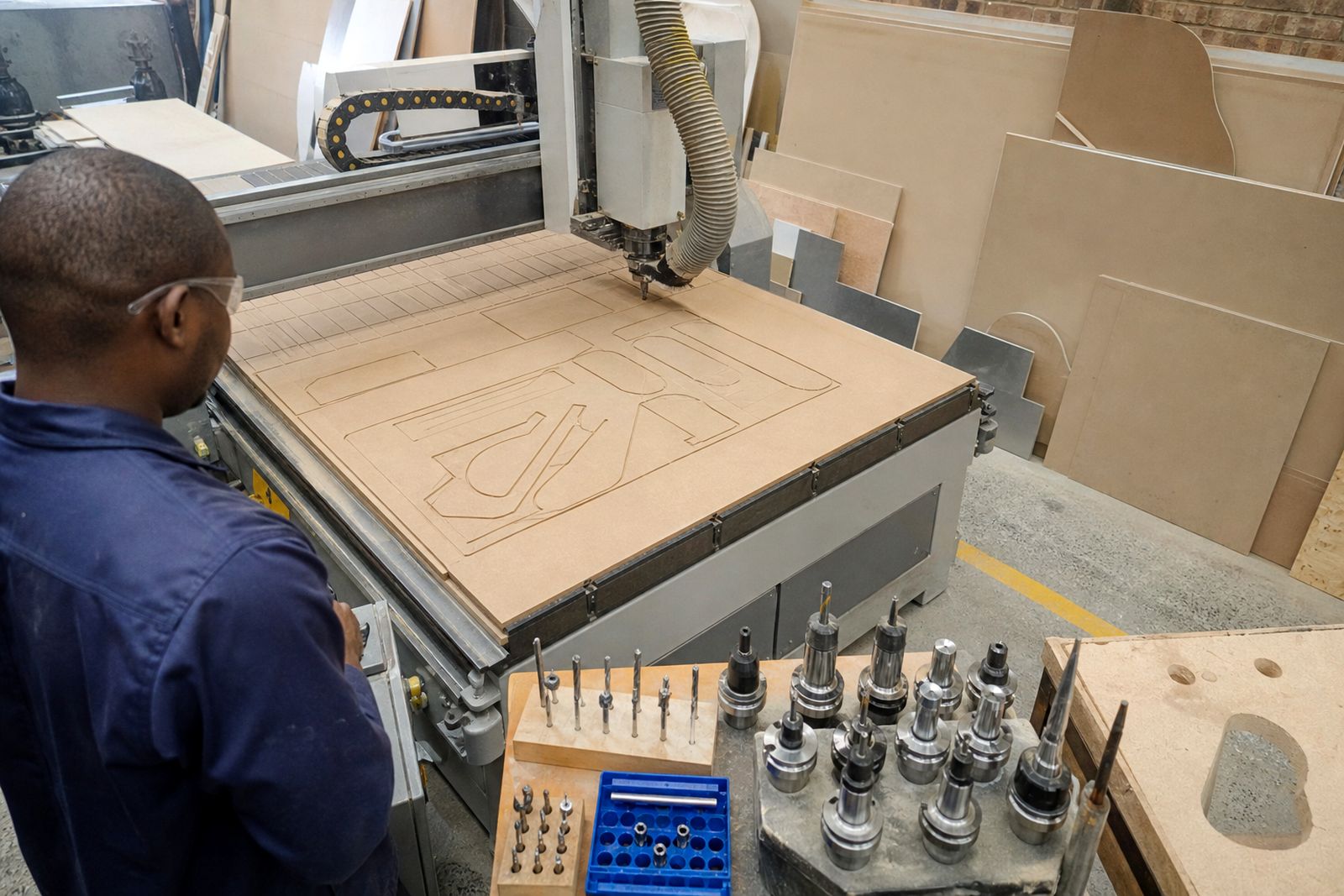
School workshops
CuTool helps school and college training workshops get safe, reliable routing underway with clear starter tooling cards and practical tool sets.
Read more
Shopfitting weeks
Shopfitting crews rely on accurate slotting, nesting, and edge-breaking to keep retail and commercial projects on schedule.
Read more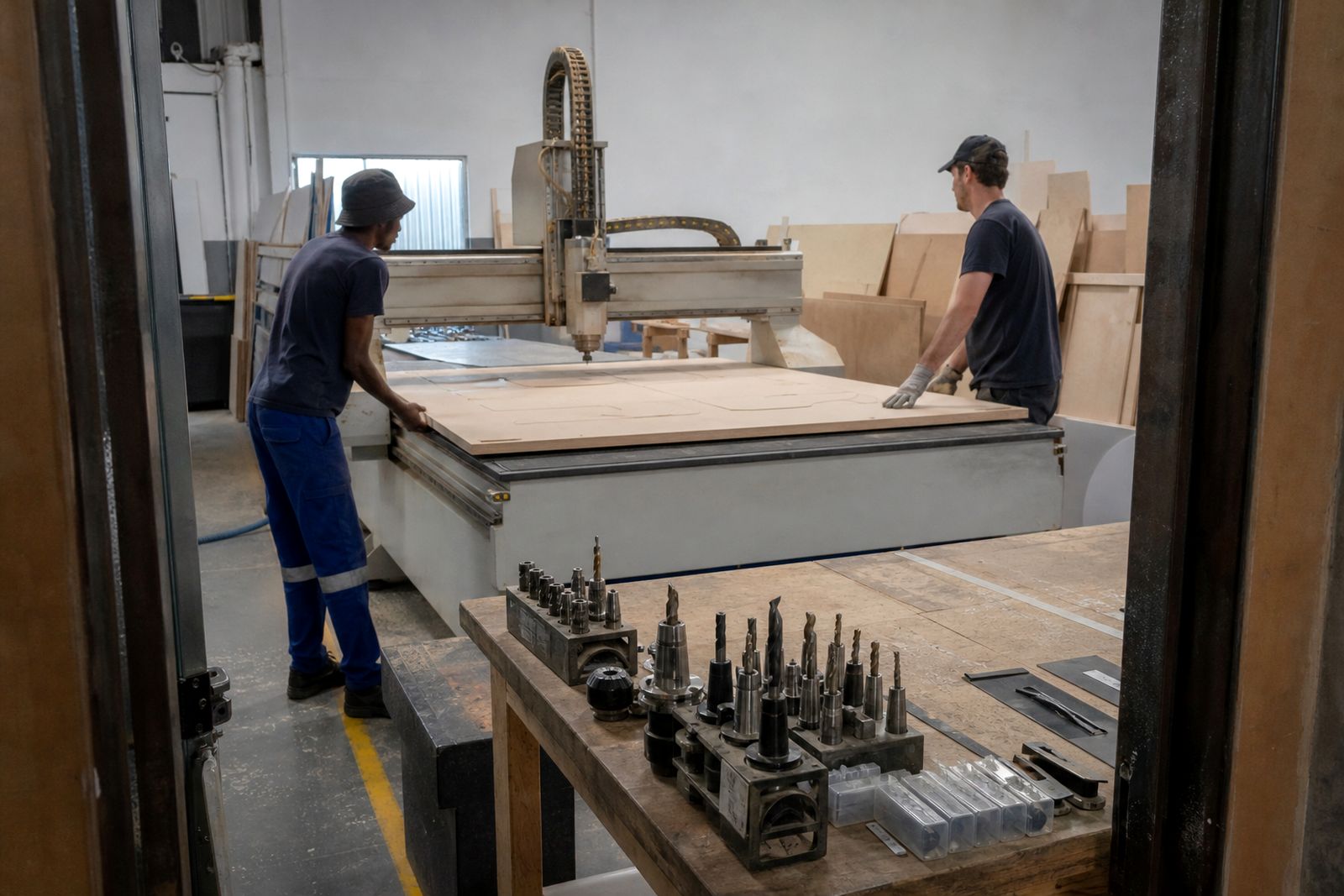
Sign shop nests
Nesting sign letters and cutting ACM panels means your cutters must keep pace with tight deadlines and sharp edge demands.
Read more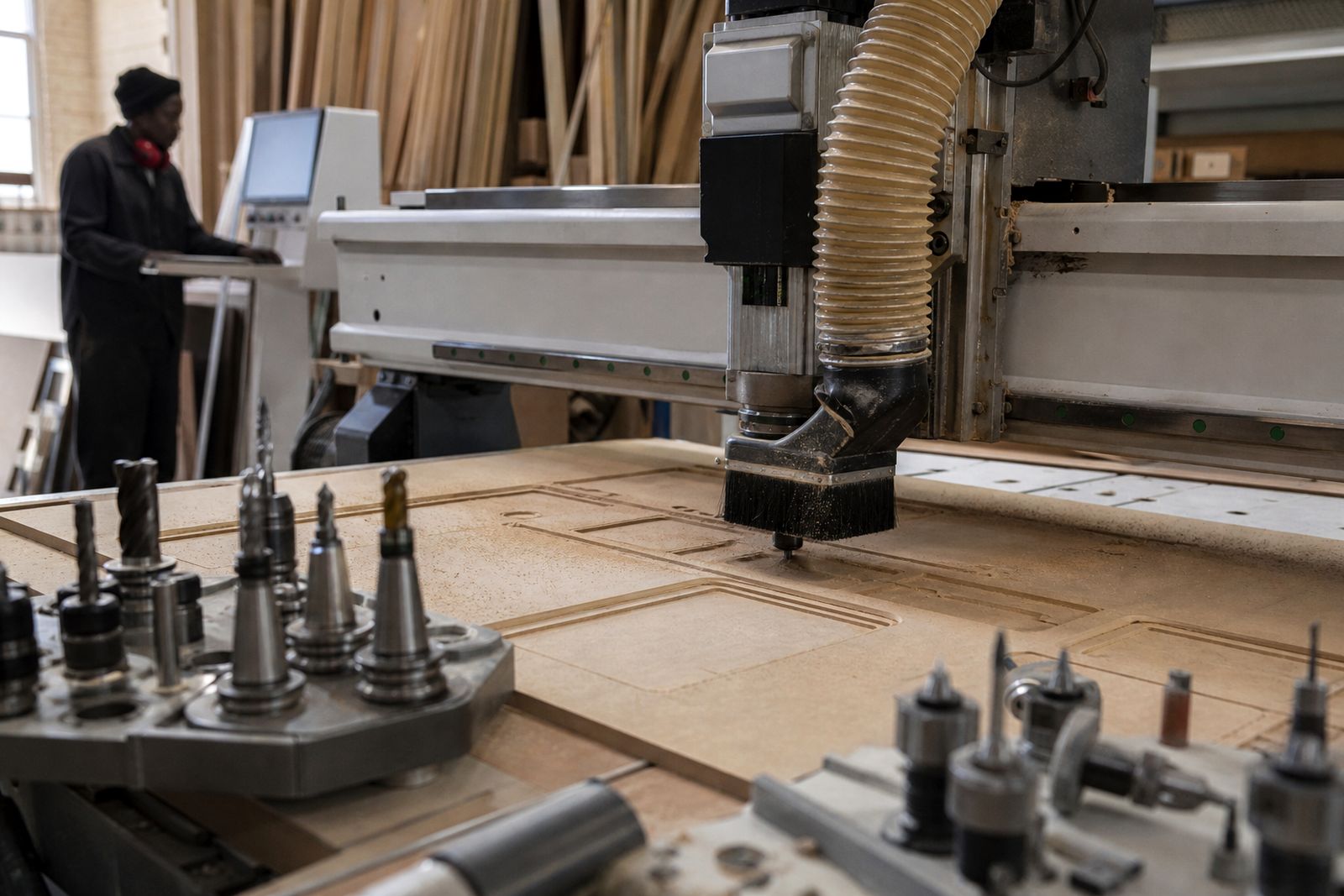
Starter workshops
Starting with the right tools gets your CNC shop out of the trial-and-error rut and onto reliable, productive cutting.
Read more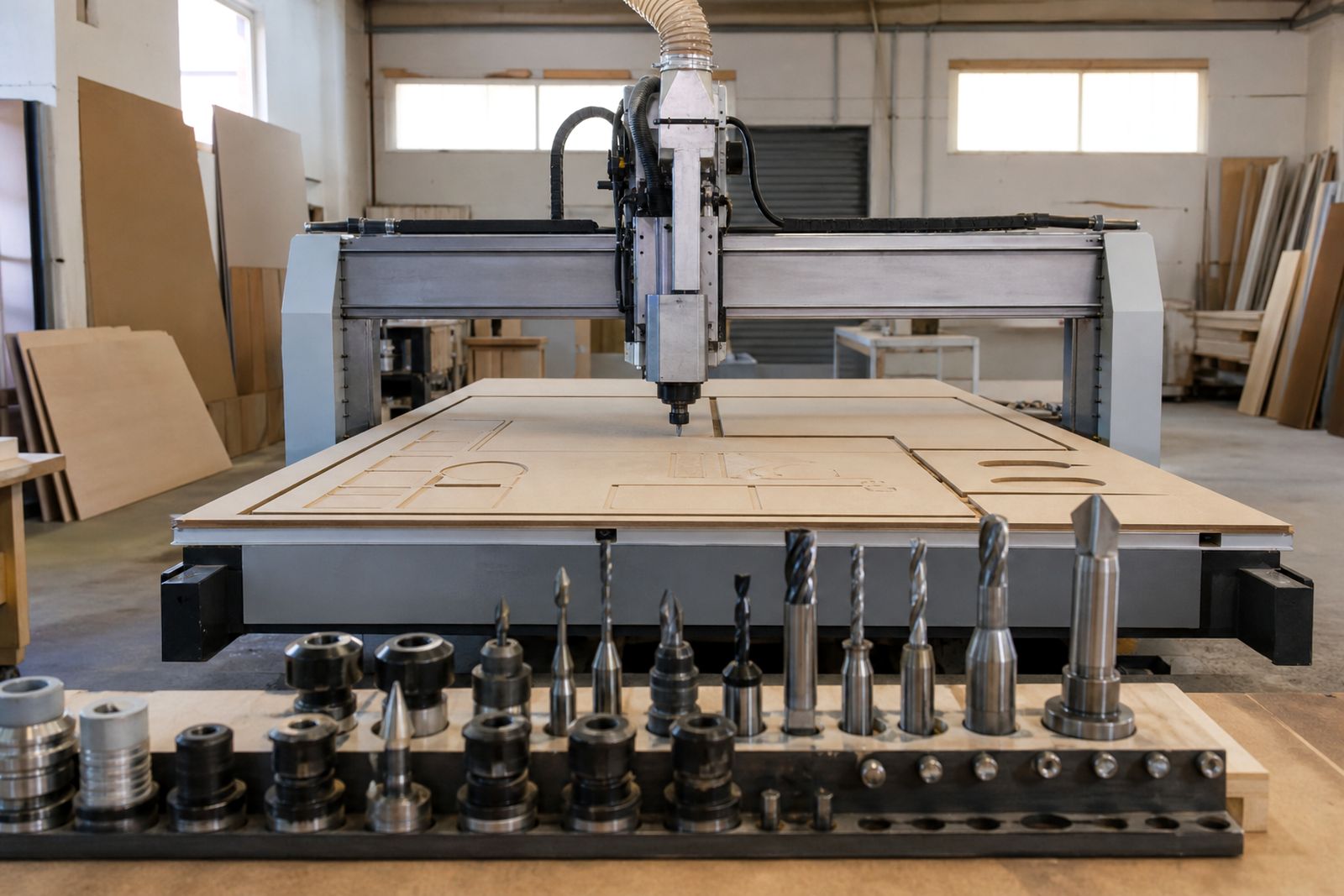
Trophy shops
Trophy shops rely on chamfer and V-bits for crisp engraving and mitred edges on acrylic, aluminium, and laminates.
Read moreWhat our Cutting Tool customers say
Verified Google reviews
Tell us about the job you need to cut
Send a note through our contact form with your machine, spindle and collet size, the material and thickness, the finish you need and your area, and we will come back with practical cutter options and a quote.
Open the contact form