

Trophy shops
Trophy shops rely on chamfer and V-bits for crisp engraving and mitred edges on acrylic, aluminium, and laminates to turn out high-quality awards and nameplates.
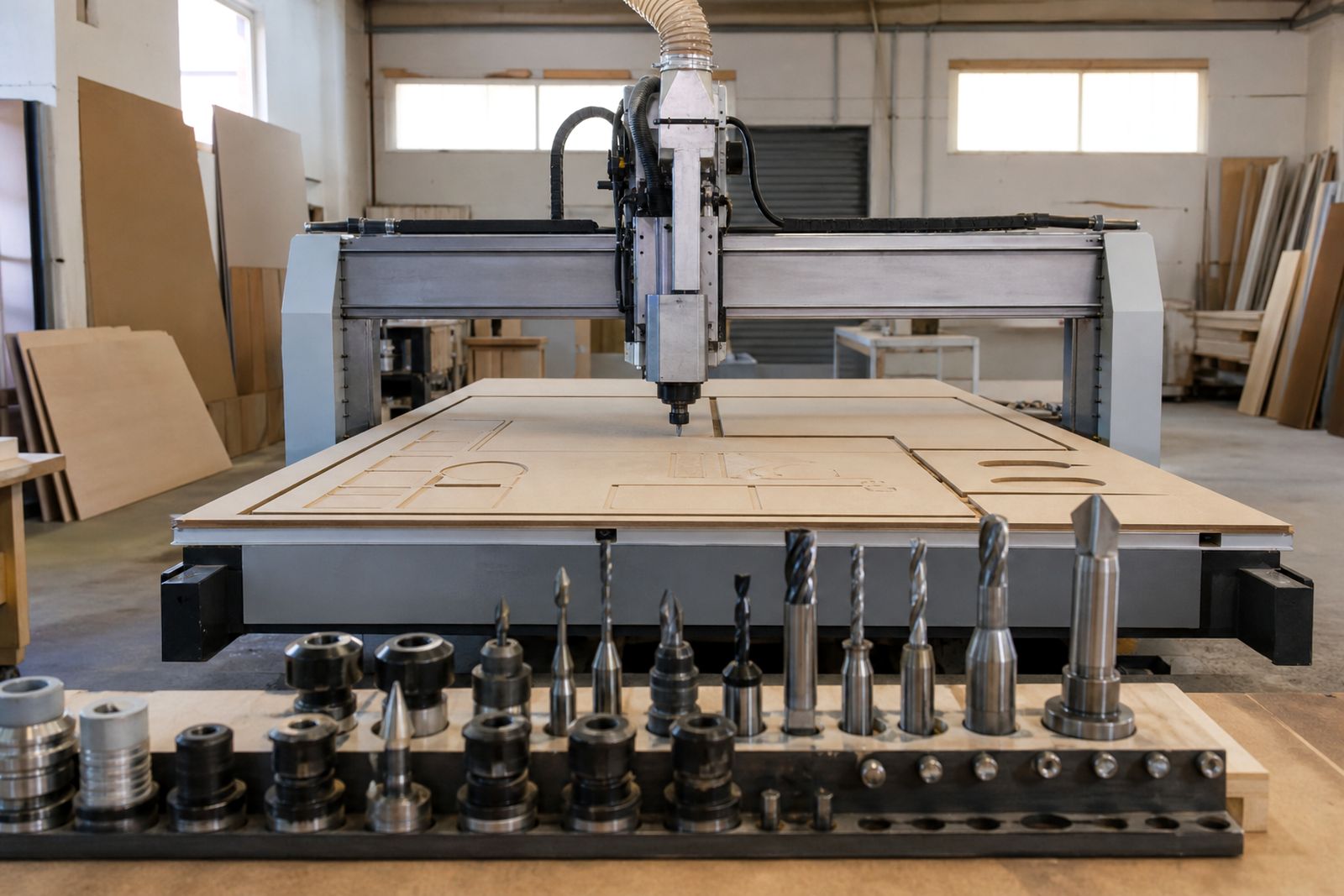
Materials and cutting tasks in a trophy shop
Our chamfer edge kit and sign spiral kit are go-to choices for trophy and award makers, giving precision on acrylics and soft metals. The router bit starter helps with base cutting and light profiling.
See also edge notes and printable cards.
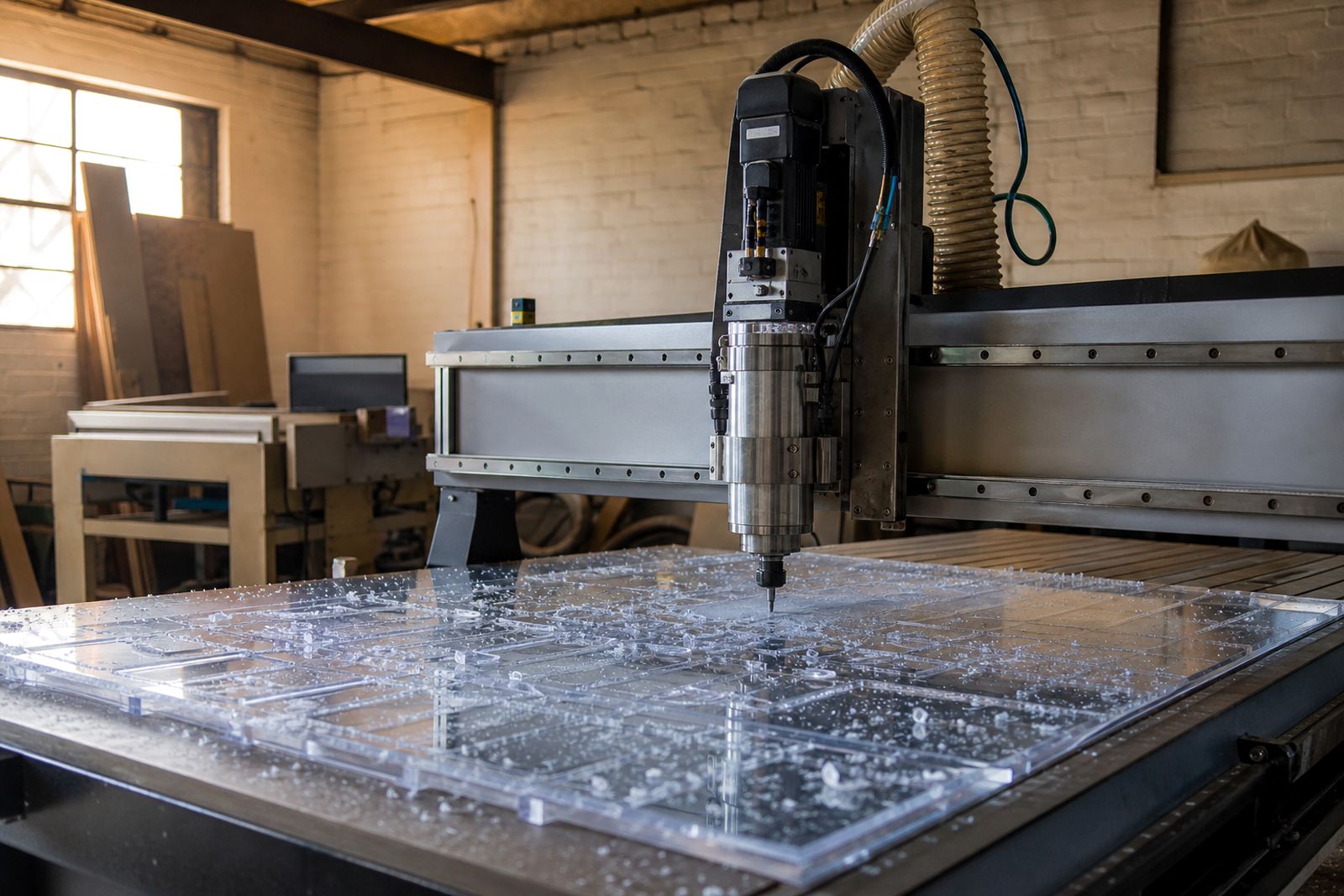
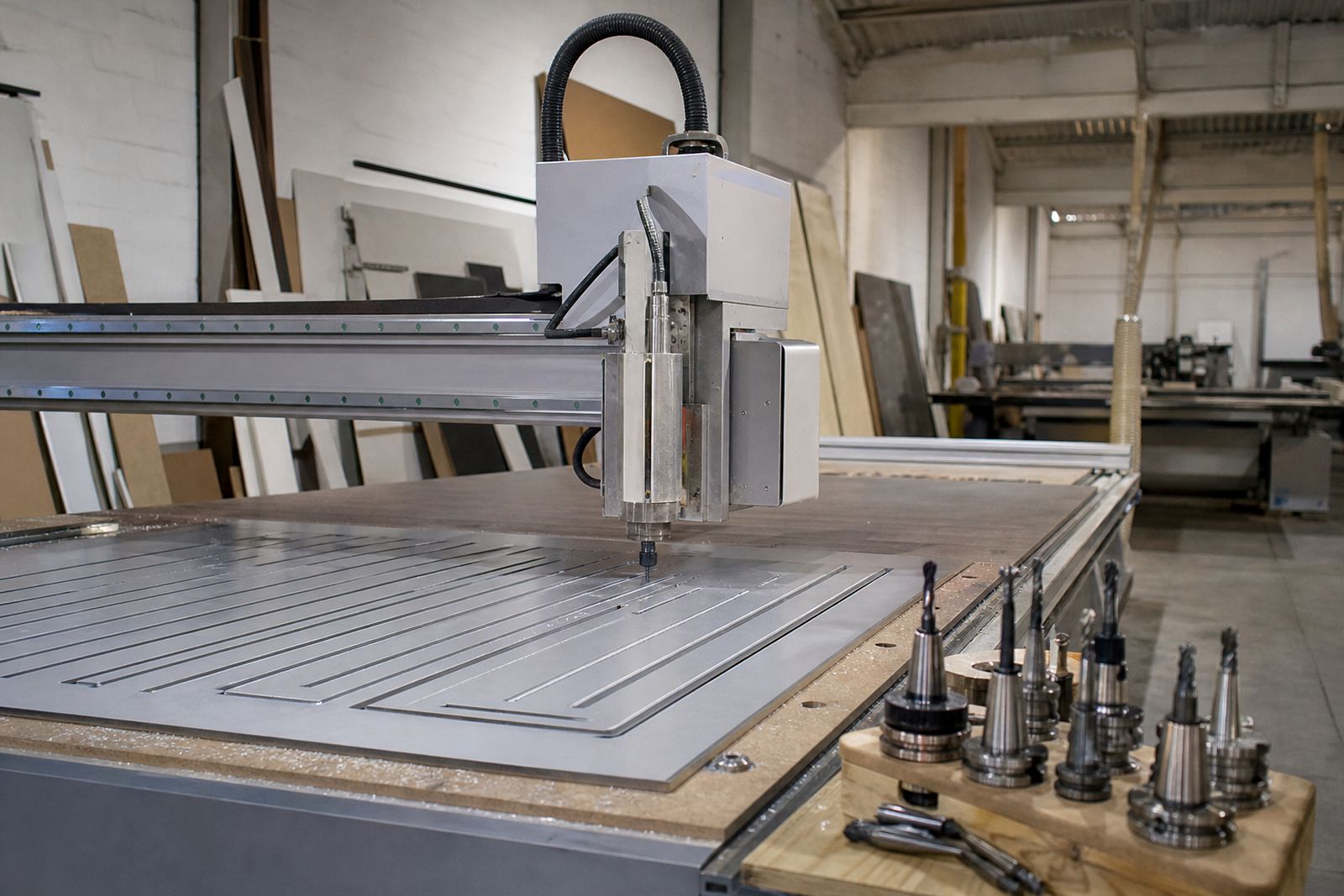
Trophy and award shops cut mostly acrylic sheet, engraving laminate, and aluminium profiles for plates, medals, plaques, and bases. These materials call for clean edges and sharp detail, especially with text, logos, and fine geometric lines. Most jobs need routing for outlines and holes, then use V-bits for deep engraving or chamfer bits to bevel edges for a professional finish. UV-resistant acrylic and anodised aluminium are common, and both need careful feed rates to avoid chipping or melting. Many shops also cut wood or MDF for bases, although these are less demanding on tooling if you keep your cutters sharp and your spoilboard surfaced flat.
Why bits fail in engraving work
Premature cutter wear is common if the wrong speed and feed are used, or the cutter is left too long between regrinds. Chipping on acrylic usually comes from high spindle speeds or dull edges, while aluminium needs a sharp, uncoated bit and a quick clearing of chips with an air blast or light mist. Laminate builds up dust, if you don’t clear swarf often, it can heat up and weld onto the bit. V-bits suffer if the tip is chipped or the collet is dirty, causing runout and ragged text. Chamfer bits can snag on adhesive residue left on the material's surface, so keep your stock clean and tape only the margins. Always check for resin or burr buildup, and measure runout with a dial indicator after every changeover.
- Dull bits cause white edges or burrs on acrylic
- Check collet and nut for grip and torque before every set
- Never plunge a V-bit straight down: ramp in on a route
CuTool kits for a trophy routine
Most trophy jobs open with the router bit starter for rough profiles and straight cuts in acrylic or MDF. The sign spiral kit, with upcut and downcut spirals, handles detailed shapes and pocketing, run upcuts to clear chips from aluminium, and downcuts for clean top edges in foamed PVC or laminates. Chamfering is done last, using the chamfer edge kit to finish all visible edges with a controlled bevel. V-bits in the chamfer edge kit score text and logos, and should be fitted with minimal stick-out to reduce runout. Standard starting feeds: for acrylic, 12 000 to 18 000 rpm, 1.5 to 2 mm stepdown, and 0.05 to 0.2 mm chip load per tooth, adjust until there is a smooth chip, not dust or melt. Always set tabs or use an onion-skin pass on thin pieces to avoid loss of small parts through the dust extractor.
Managing tool stock for deadlines and school terms
Trophy shops run flat-out at school and sport term ends, and before big public events, so plan your tool stocks with at least one full spare set of chamfer and V-bits. Arrange regrinds after every busy patch, and keep a record of how many metres each bit has run. During festive season, order ahead for prize-giving season. Keep a printed tool-life card by the controller to log tool wear and help the team rotate cutters. Power cuts do happen with municipal faults or cable theft, if one hits mid-job, mark the zero and clamp position, and finish the pass as soon as power comes back. For technical questions or to arrange a regrind, you can reach the Sunnyrock team through our contact form.
- Stock one spare set of main cutters for each machine
- Log tool wear and regrinds to avoid running blunt
What our Cutting Tool customers say
Verified Google reviews
Also worth a look
Tell us about the job you need to cut
Send a note through our contact form with your machine, spindle and collet size, the material and thickness, the finish you need and your area, and we will come back with practical cutter options and a quote.
Open the contact form