

Materials
Choose the right cutter and method for aluminium, wood, plastics and other common CNC materials.
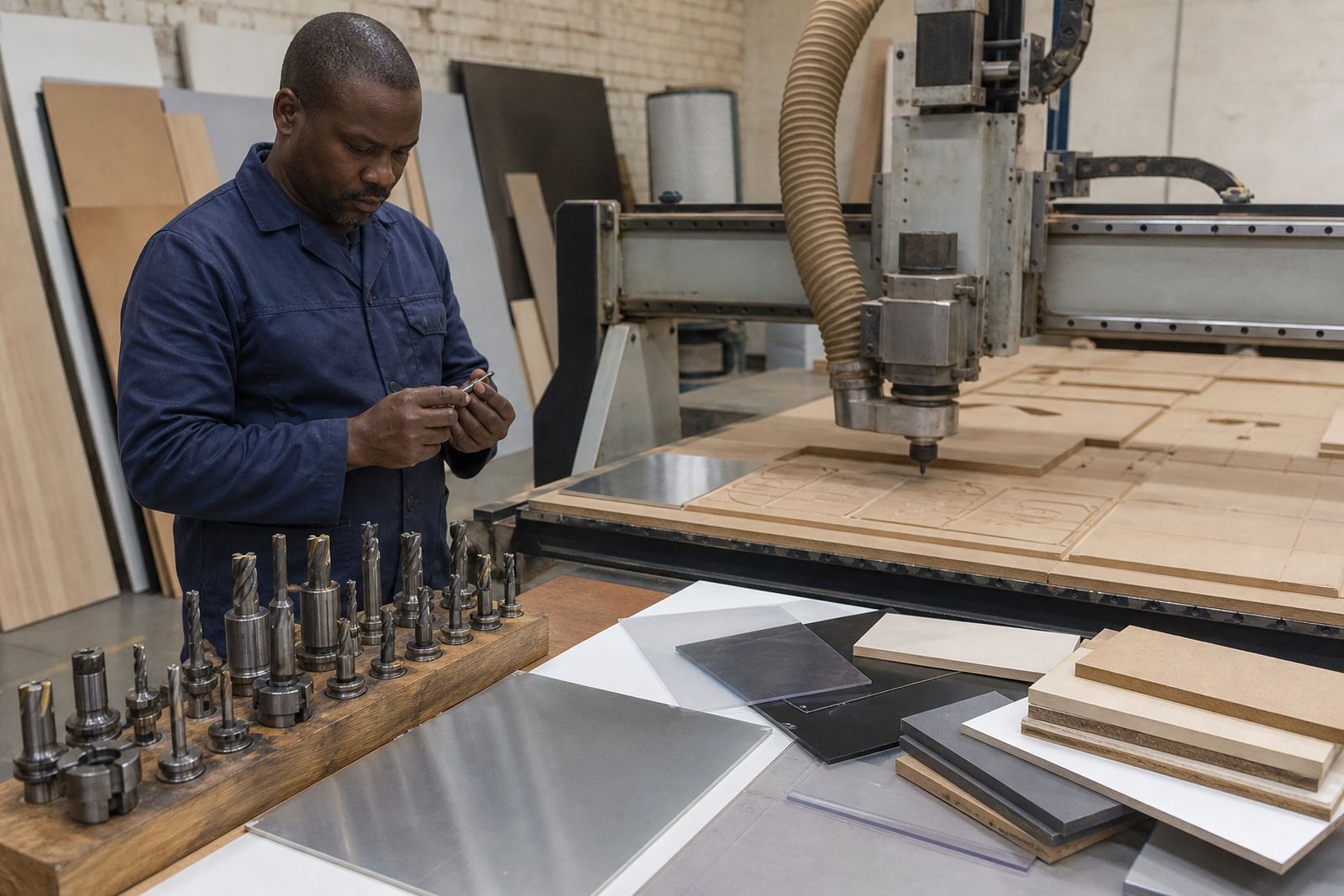
Aluminium needs sharp tools and chip control
Aluminium is workable with most CNC routers and mills, but success comes down to cutter choice, chip evacuation and feed rates. Use a polished single flute or two flute end mill, ideally uncoated or ZrN-coated, to avoid built-up edge and keep the cut cool. Keep your chip load between 0.03 and 0.08 mm per tooth as a starting point, and run at high spindle rpm with aggressive feed rates compared to wood. Mist coolant or a well-aimed air blast prevents chips from rewelding and reduces tool wear, especially on bigger jobs or during Gauteng’s dry winter months.
For best finish, use climb milling. Avoid deep slotting: step down in shallow passes (1 to 1.5 times the tool diameter) and watch your stick-out for minimum runout. A dial indicator can help you pick up any wobble. Clean collets and correct torque are a must to hold accuracy. Aluminium chips are sharp, so always clear away swarf before restarting after a power cut or an e-stop.
Acrylic cuts best with sharp finishing spirals
Acrylic (cast or extruded) machines cleanly with upcut or downcut spiral bits designed for plastics, or single flute O-flute cutters. Sharpness matters: a dull edge melts and smears, leaving a foggy finish. Use chip loads from 0.05 to 0.2 mm per tooth, and keep spindle speed moderate, as too much heat causes gumming and edge-crazing.
Secure the material on a spoilboard with tabs or onion-skin passes to avoid shift or breakup near the end of a cut. Air blast helps keep chips off the surface, especially on humid coastal afternoons when static is a nuisance. For a glassy edge, slow your final pass and consider a climb cut.
ACM panels demand sharp bits and careful hold-down
Aluminium composite material (ACM) is popular for signage and cladding. Use polished, uncoated two flute bits for both the aluminium and composite core. Compression spirals can be helpful when edge chipping is a concern. Run a low to mid-range rpm and keep stepdown light for a clean finish.
Clamp or vacuum the panel securely, as movement causes ragged edges and damages your cutter. Avoid excessive stick-out to limit vibration. A printable feeds and life card can help you log what works on your own machine. Clean the bit between panels to avoid composite build-up, this is especially important during Durban summer humidity.
MDF needs dust extraction and sharp spirals
Medium density fibreboard is tough on edges but easy to rout with tungsten carbide upcut or compression spirals. Use 2 or 3 flute bits, and consider steeper helix angles for cleaner edges. MDF dust is fine and abrasive, so run your extractor at full power and keep the workshop tidy.
For profiling, a downcut or compression spiral gives the best top finish. Take shallow stepdowns (up to half the tool diameter) and keep feed steady to avoid burning. Watch cutter heat, it’s easy to scorch MDF during Highveld winter cuts where the air is dry. Clean collets after each job to remove dust and resin.
Melamine board requires compression bits for chip-free faces
Melamine-faced chipboard and MDF can chip and blow out unless cut with a compression spiral or high-quality downcut spiral. The up-shear section protects the lower face, while the down-shear protects the surface, leaving both sides clean if the tool is set at the correct depth.
Pre-score with a shallow pass if you must use a straight or upcut bit. Clamp the board flat or use vacuum hold-down to avoid movement. Always use sharp, undamaged cutters and clear dust between passes for the best edge, especially in damp Cape winters when boards swell slightly.
Plywood cuts best with sharp spirals or upcuts
Good quality birch, marine, or shutterply machines well with upcut, downcut or compression spirals. For the neatest edges, use a compression spiral and run at moderate feed rates to prevent tear-out. Keep stepdown around half the tool diameter and use tabs or onion-skin passes to avoid shifting during final cuts.
Dull cutters cause burning and torn plies. Plywood glue lines wear down edges, so check for splinters and replace worn bits quickly. Clean your collets and check nut torque regularly, especially after an outage or a batch with a lot of glue lines.
Softwood is fast to cut but needs sharpness
Pine and other softwoods cut quickly with upcut or downcut spiral bits. Two or three flute spirals work well, but sharpness is key to preventing fuzz and splintering. Feed rates can be high, with chip loads from 0.1 to 0.25 mm per tooth, but listen for chatter and check your cut for clean edges.
Secure softwood blanks well, vacuum tables and clamps both work. Dust extraction keeps the area clear, and downcut spirals reduce top splinters on visible faces. For thick sections, use a conservative stepdown to avoid stalling your spindle, especially on small entry-level machines.
Foams machine quickly with single flute tools
Rigid foams like XPS, EPS and PU are easy to machine with a sharp single flute or O-flute bit. The large flute evacuates chips fast at high feed rates, keeping the cut cool and avoiding melting or clogging. Use a light touch with hold-down, double-sided tape or vacuum tables work well without crushing.
Keep stepdown generous, up to the cutter diameter, and set a brisk feed to avoid heat build-up. For fine detail, reduce spindle speed and use a smaller cutter. Always use dust extraction, as foam dust is light and easily airborne. Our tool-life cards help you log feed rates and passes for repeat jobs.
Materials
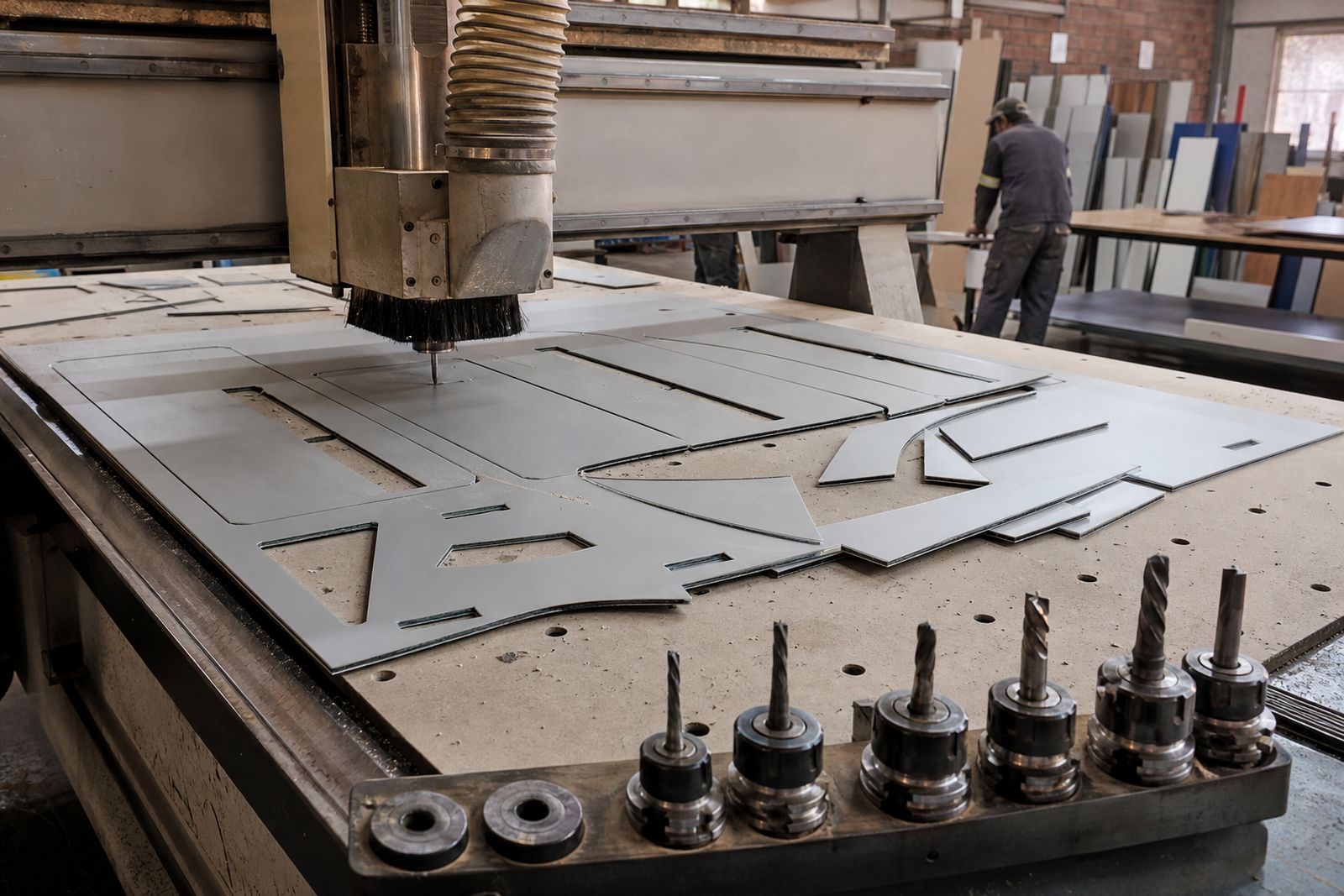
ACM panels
ACM nesting orders and tooling. ACM panels combine a thin aluminium skin with a PE or mineral-filled core, making them lightweight yet rigid.
Read more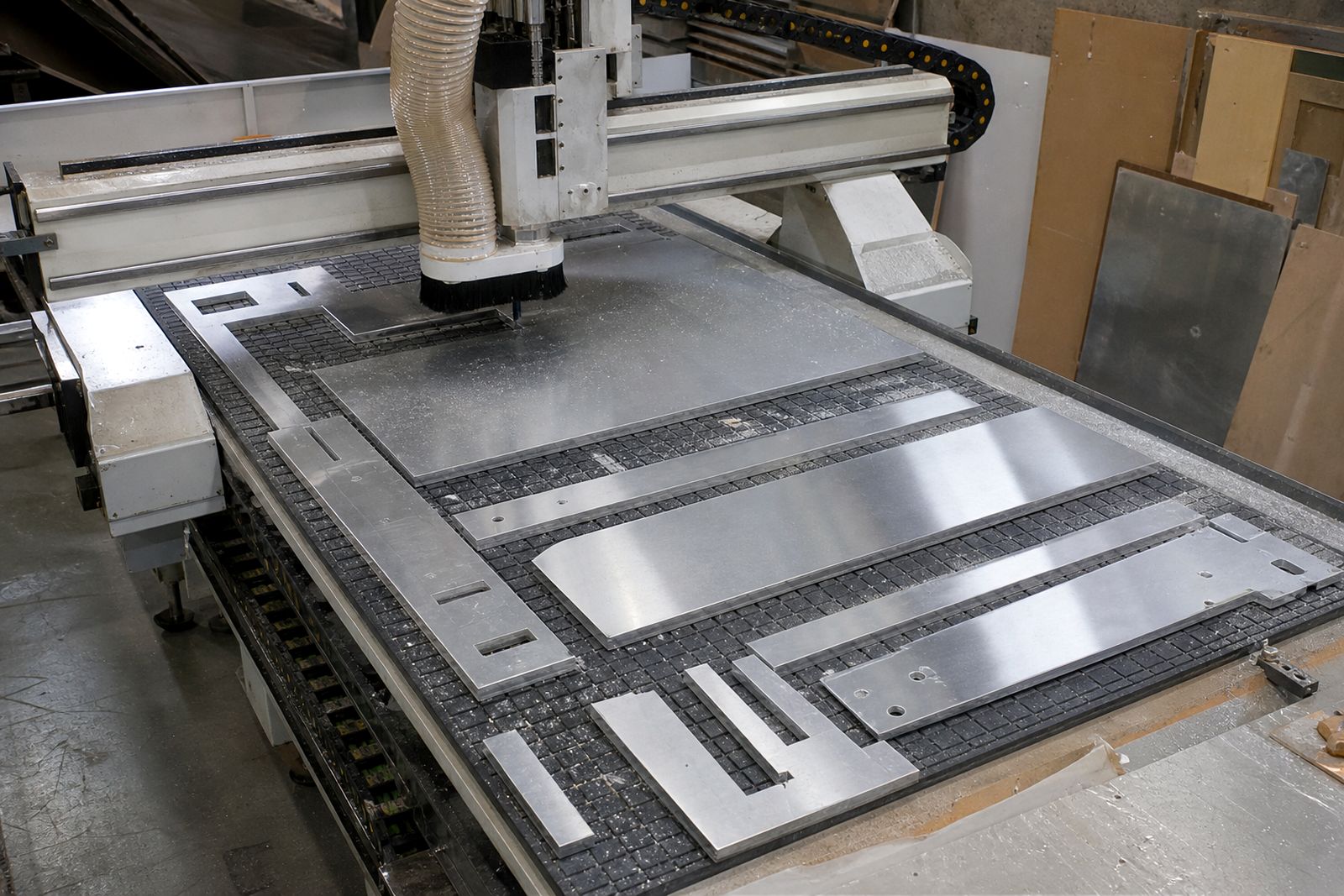
Aluminium plate
Plate habits for finish mills and slot sets. Aluminium plate is a favourite for signage, enclosures and custom hardware where crisp detailing matters.
Read more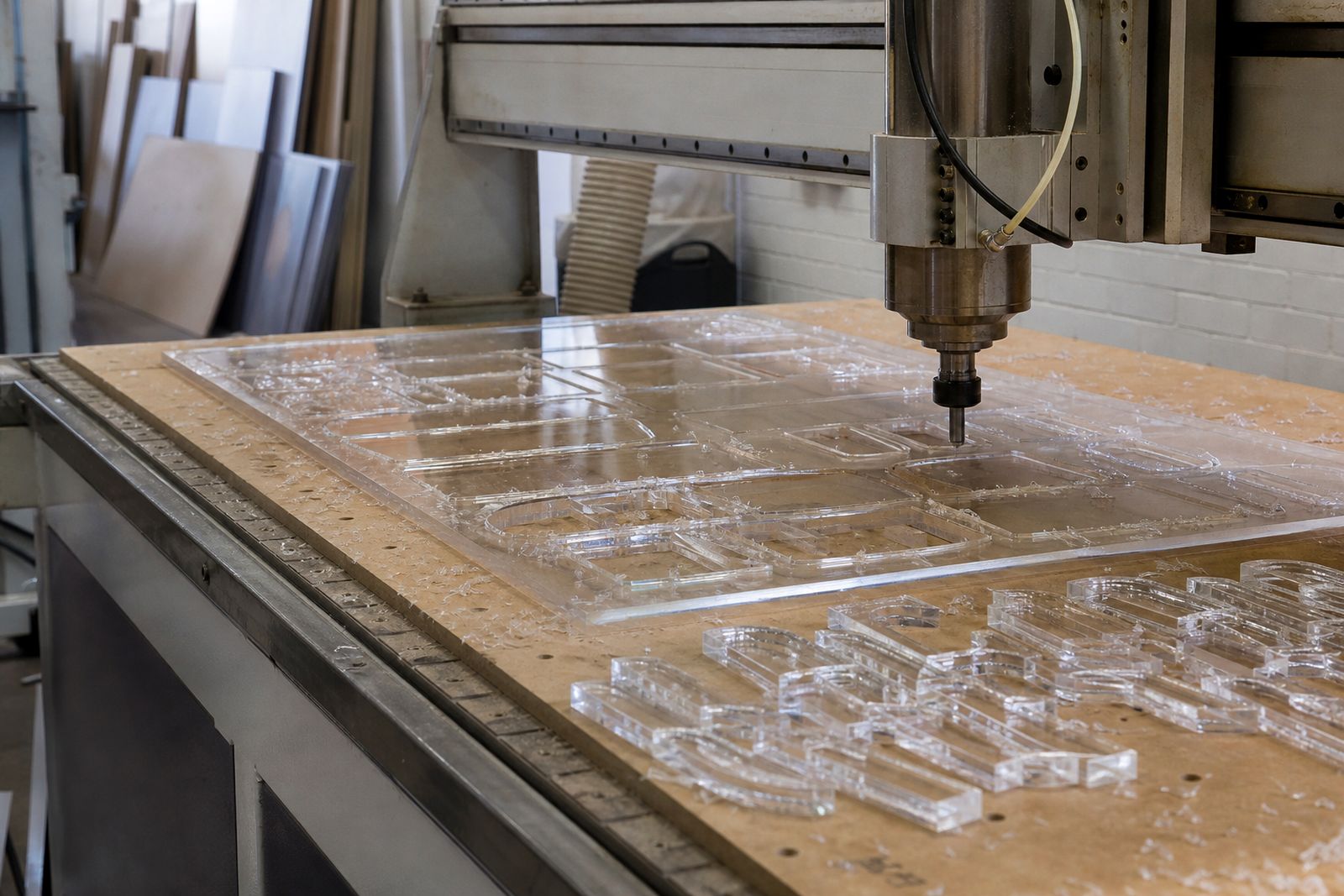
Cast acrylic
Cast sheet notes for chip-break letter nests.
Read more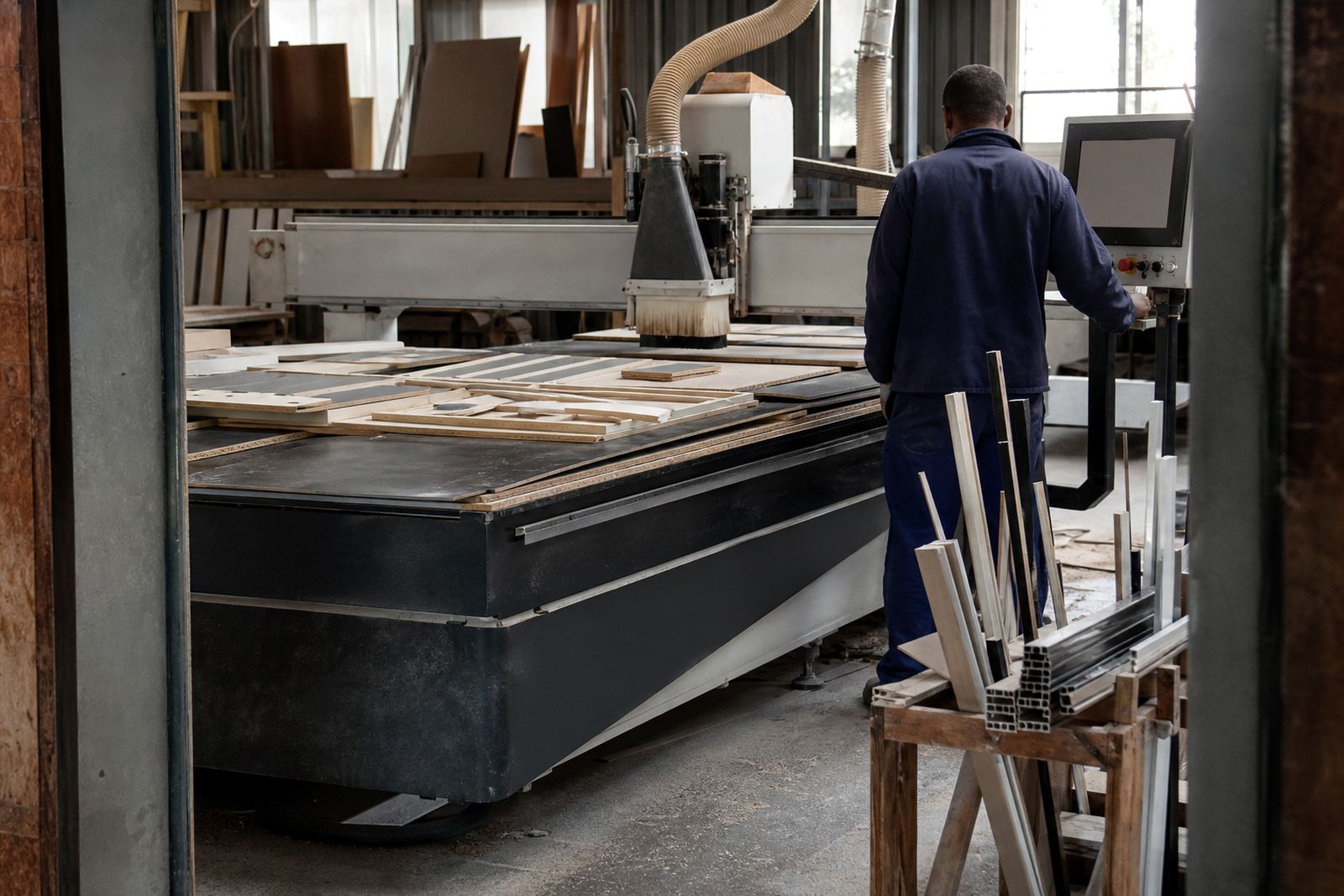
Extrusion trim
Extrusion stock for slot and finish mills. Extrusion trim is lightweight, precise and often used for finishing or joining panels.
Read more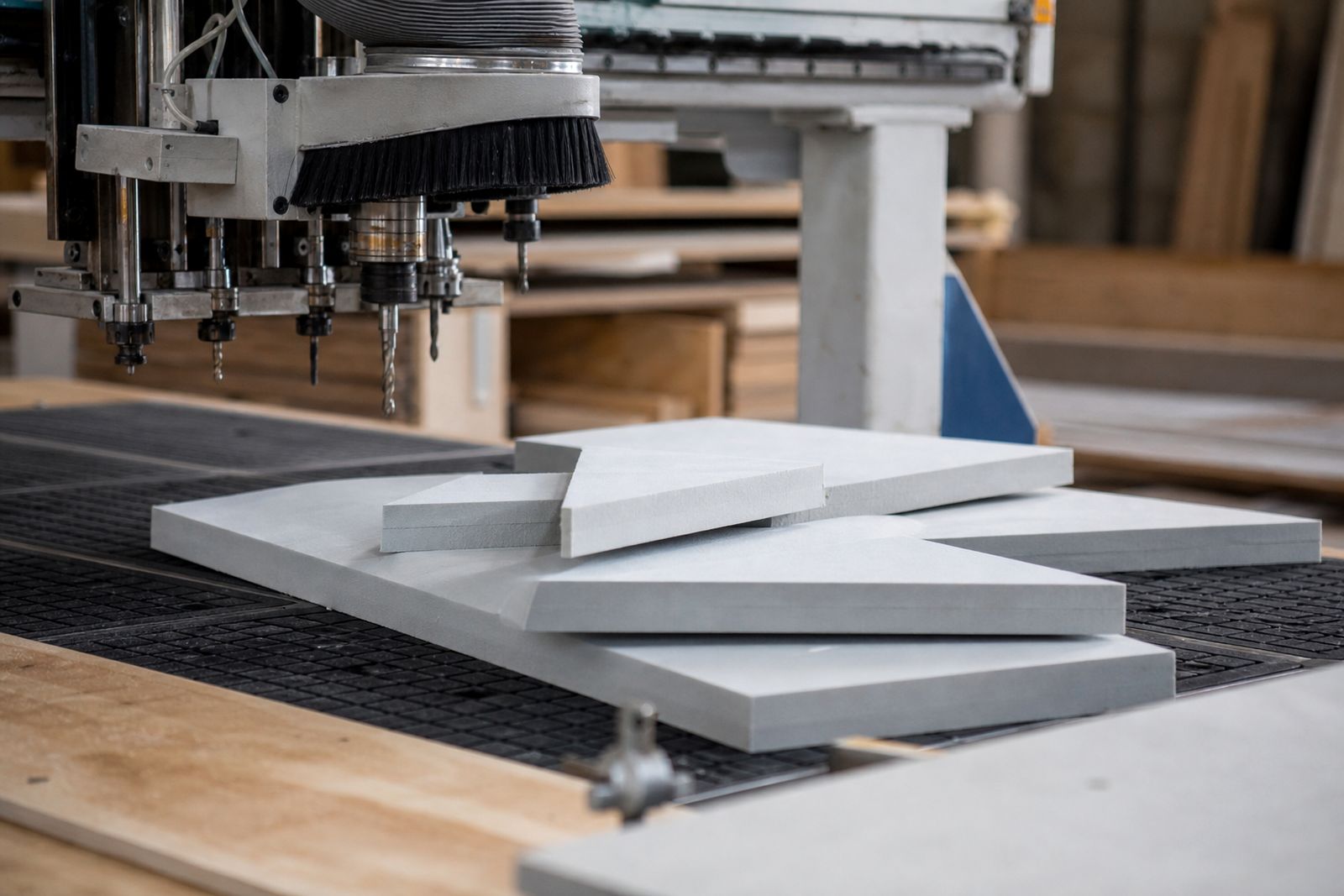
Foam relief
Relief foam prep for taper ball-nose work.
Read more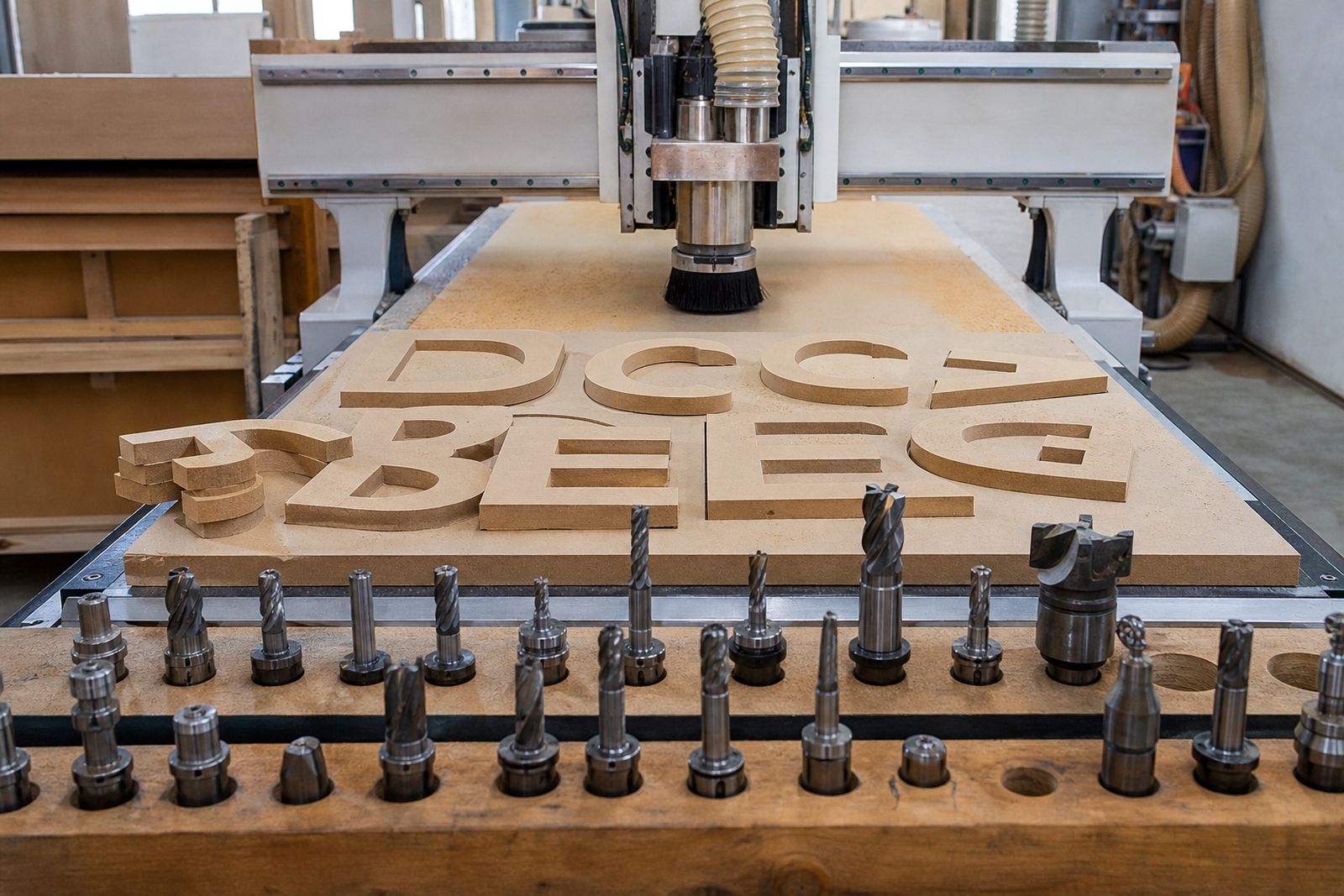
MDF letters
MDF blank habits for sign and trophy makers. MDF lettering blanks are a staple for trophy and sign shops needing crisp, painted shapes or routed edges.
Read more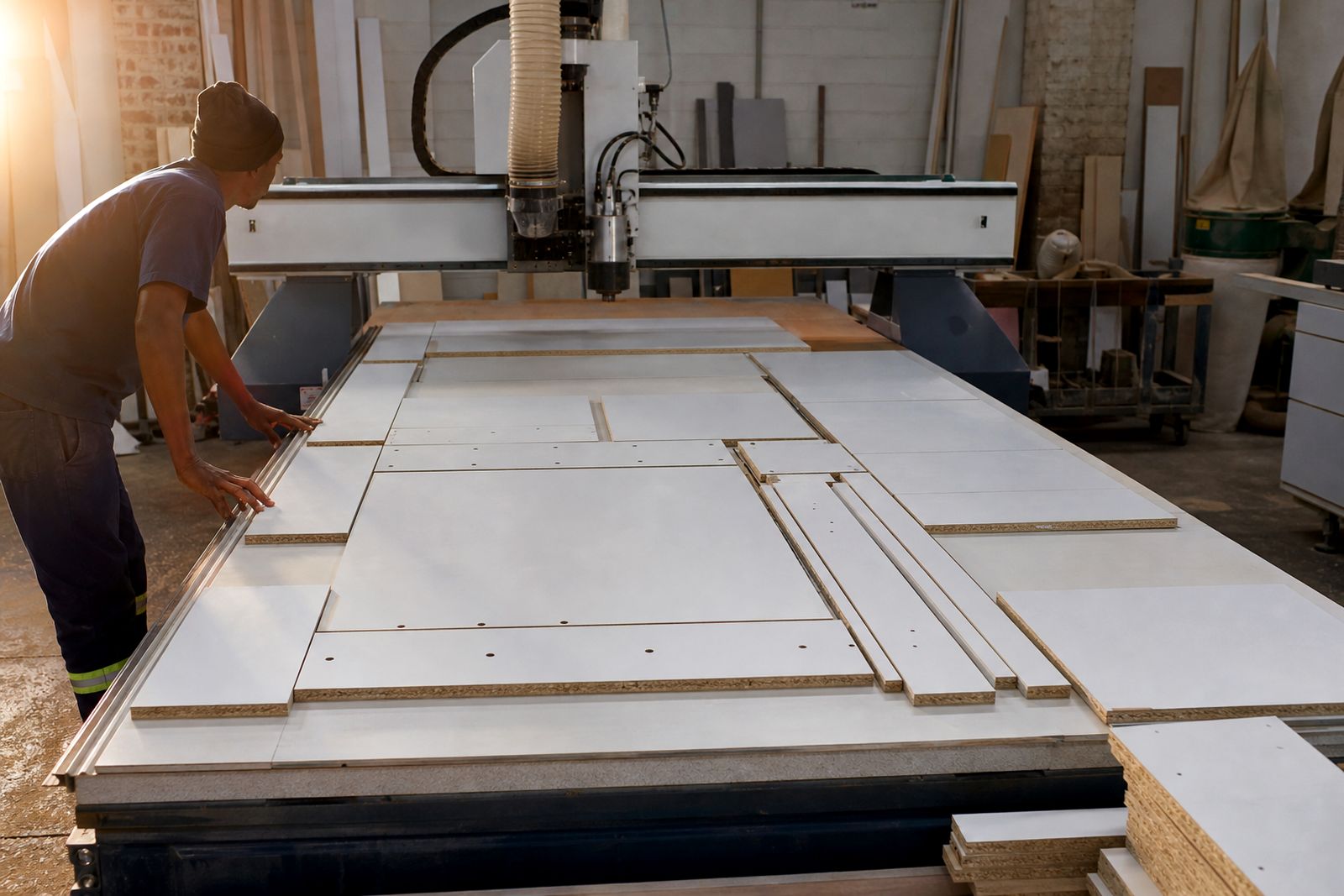
Melamine board
Compression nests for kitchen and shopfitting. Melamine board is the workhorse panel for modular kitchens, cabinets and shopfitting.
Read more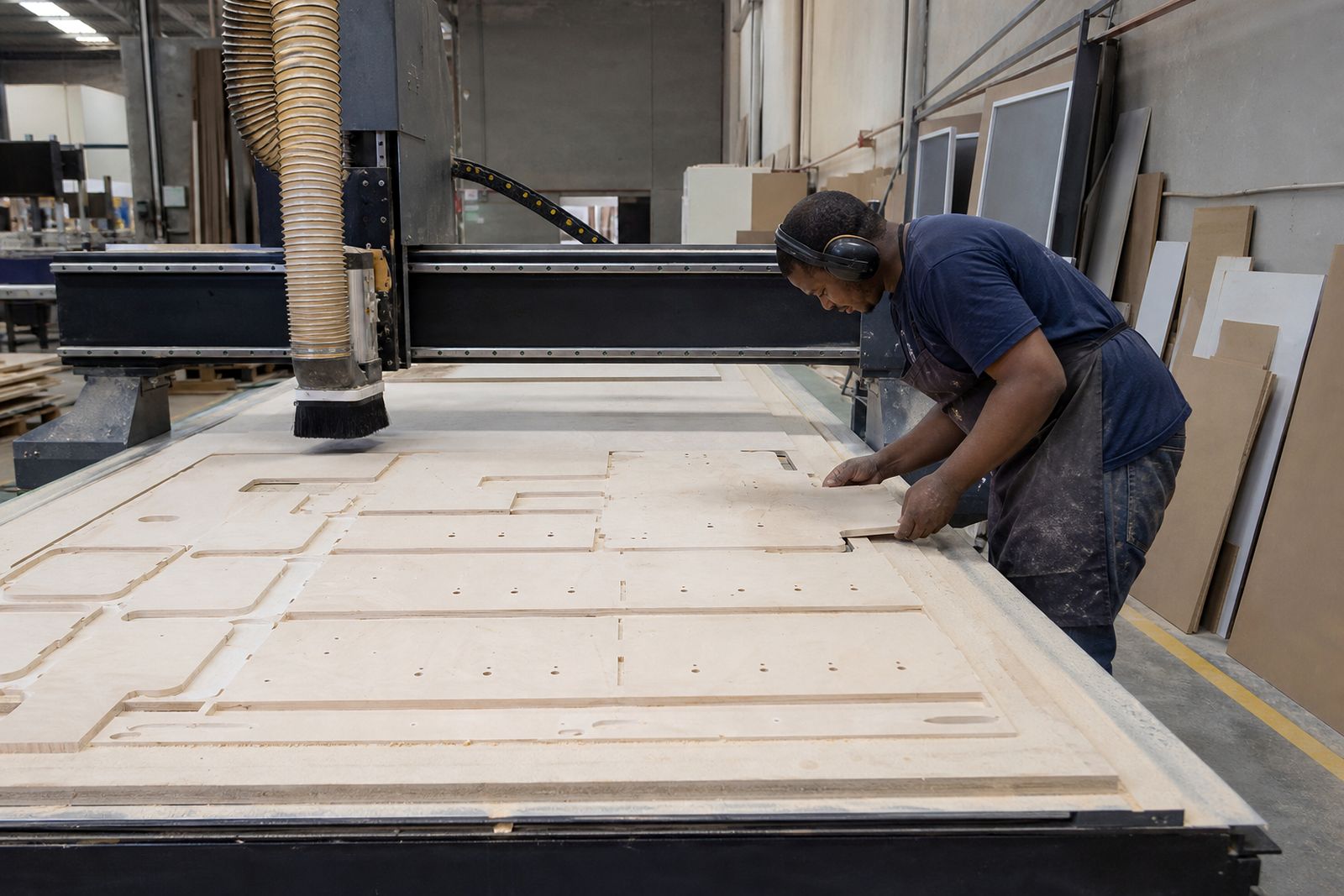
Plywood nests
Plywood nesting cues and compression pairing. Plywood nests are dense, flat sheets stacked for efficient CNC routing, especially for furniture and cabinetry.
Read more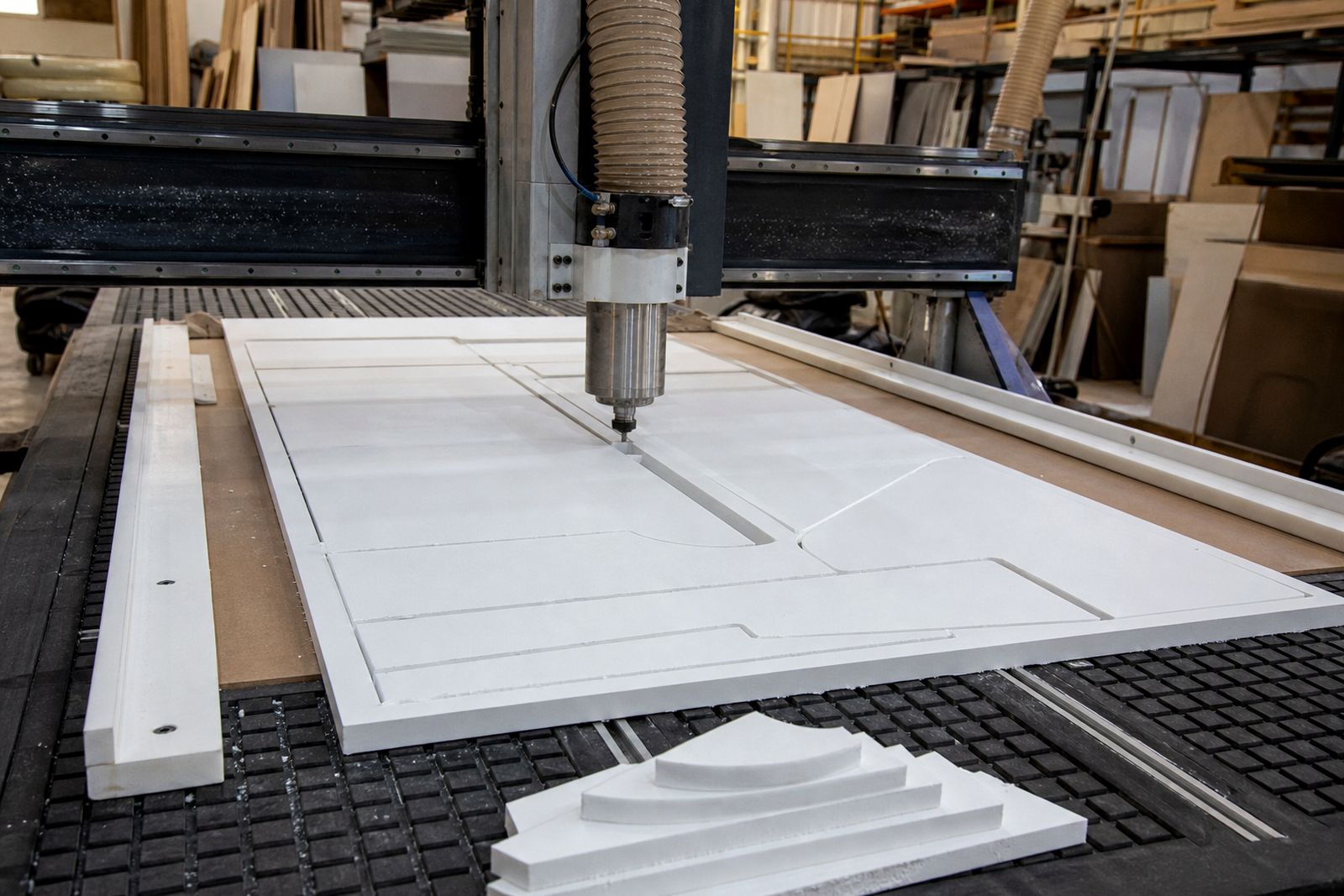
PVC foam
Foam board feeds that keep edges cool.
Read more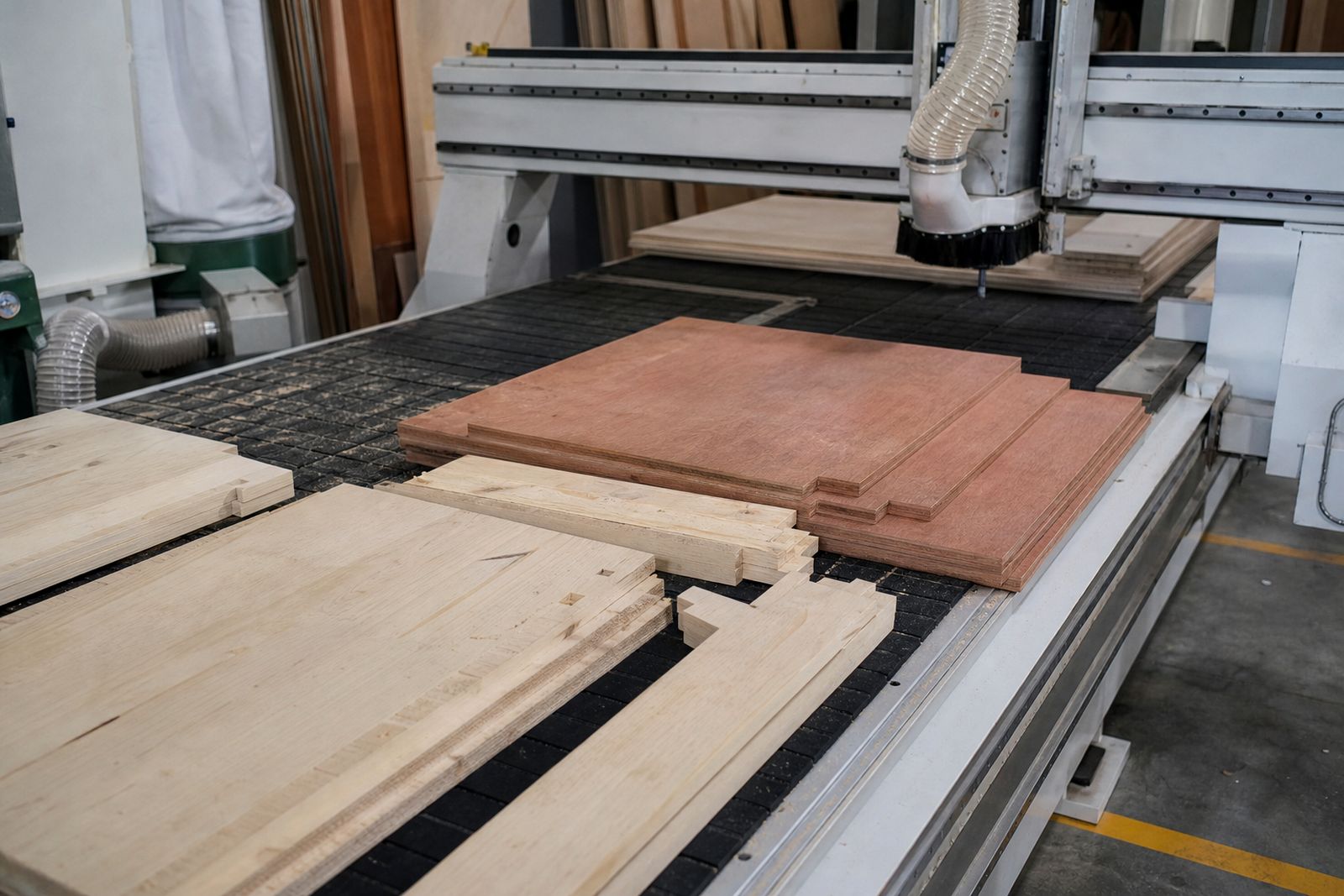
Softwood blanks
Pine and meranti blanks for upcut work.
Read moreWhat our Cutting Tool customers say
Verified Google reviews
Tell us about the job you need to cut
Send a note through our contact form with your machine, spindle and collet size, the material and thickness, the finish you need and your area, and we will come back with practical cutter options and a quote.
Open the contact form