

Projects
See CNC cutting examples from South African shops, showing tool choice, material choice and finished results in use.
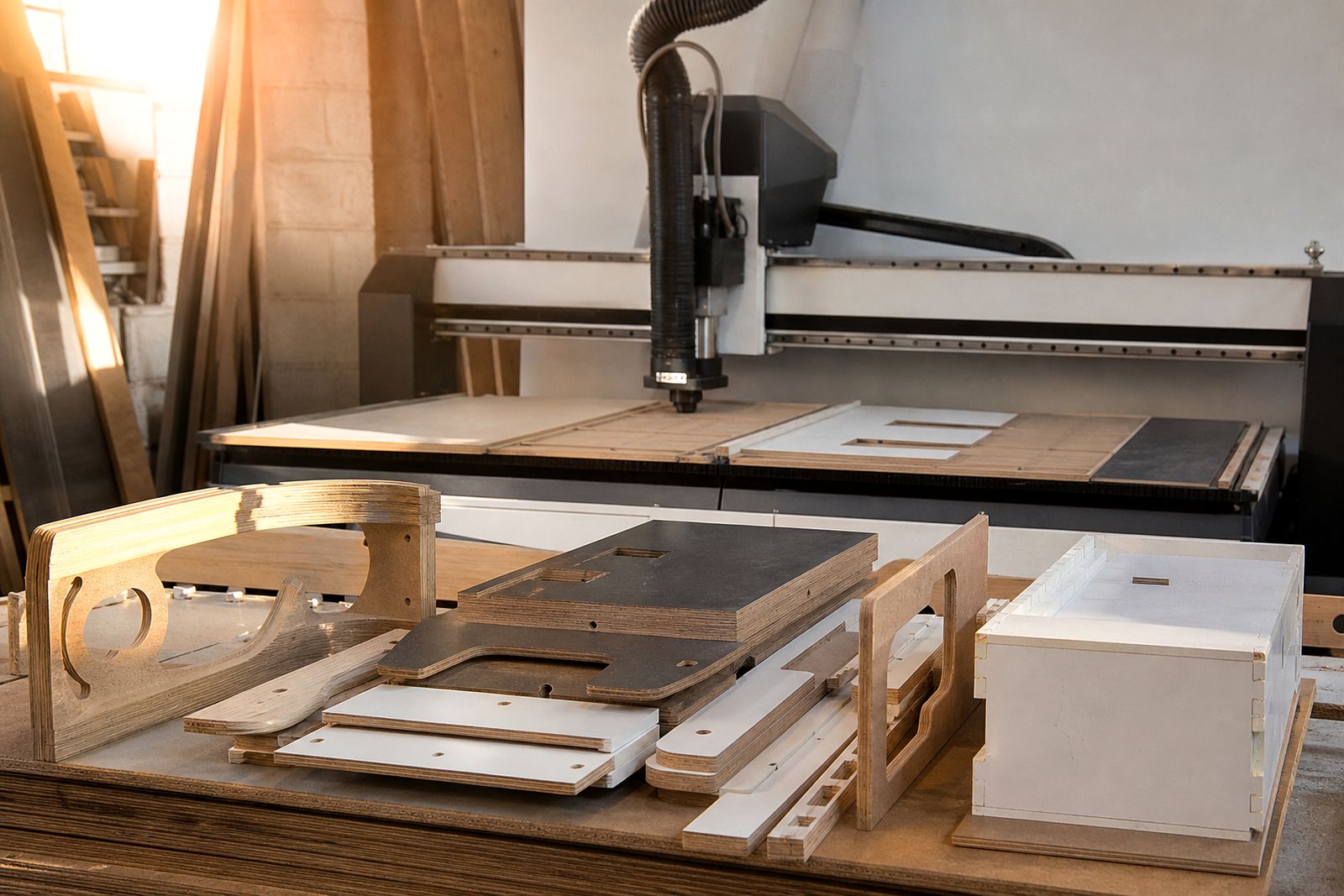
CNC sign shop jobs in Joburg
Sign shops in Gauteng keep pushing acrylic and ACM panels through their routers, using upcut and O-flute bits for crisp edges. For lettering jobs, single-flute upcut tools in the 3 to 6 mm range clear chips well and hold polish, especially paired with a strong vacuum hold-down so the small parts stay put. When cutting thicker acrylic for illuminated signs, a climb cut with a 4 mm O-flute and a steady feed of 2.5 to 4 metres per minute is a solid starting point, but always check for melting and adjust.
Many shops now use printable tool-life cards and record their feeds to get through rush orders, especially with occasional power cuts around the Highveld. If you're setting up similar work, start with a sharp tool and short stick-out, keep your collets spotless, and check for runout under 0.02 mm. Add tabs and onion-skin passes to keep delicate parts from shifting, especially on older vacuum tables.
Joiner and furniture shop runs in Durban
Kitchens and joinery in Durban often use downcut and compression spirals to keep chip-out under control on coastal pine, MDF and melamine. For clean laminate edges on cabinet doors, a 6 or 8 mm compression bit with a 30 or 45 mm cut length handles both faces. Shops report that misting the cutter is rarely needed in Durban's humidity, but a good extractor is still vital for dust and resin build-up.
When machining solid timber, downcut spirals prevent lifting but need stronger clamping, use a spoilboard and check your stepdown, keeping to half the cutter diameter or less for a clean cut. Compression spirals let you cut right through without worrying about breakout top or bottom. Remember to check the collet nut torque and re-tighten as necessary between batches.
Prototype part runs in Cape Town
Small-batch prototyping in Bellville and the Cape Flats covers everything from aluminium brackets to shop display parts in MDF, often run on mid-size routers. For non-ferrous metals like aluminium, uncoated carbide single-flute or two-flute upcut tools in 3 to 12 mm are the go-to, with an air blast or mist to clear chips and limit heat. Start with 0.01 to 0.03 mm chip load per tooth, and adjust the RPM and feed on your own test cuts.
When slotting in MDF or birch ply, compression spirals prevent edge fray and let you use one pass. Always check the stick-out, too much, and you risk chatter and tool breakage. With the Cape winter damp, double-check your spoilboard for swelling, and keep your ER collets and holders clean and dry between jobs.
Trophy and acrylic jobs in Bloemfontein
Trophy shops in central South Africa use upcut spiral bits and V-bits for engraving and profiling acrylic, ABS, and wood. For clear acrylic awards, a 3 or 4 mm upcut bit gives a better finish if the material is firmly held. Use light passes and avoid overfeeding to keep the edges free of melt. For V-carving names and logos, a 60 or 90 degree carbide V-bit with a slow, shallow ramp-in prevents chip-out in laminated woods.
Many shops rely on printable feeds and speeds cards taped to their routers to keep the results repeatable. Remember, always follow safety with guards and eye protection, and re-zero after any controller restart or power outage. If engraving multiple layers, keep a record of offsets and check the collet for dust between jobs.
School and college workshop projects in Mbombela
Educational workshops in Mbombela and surrounding areas run a mix of entry-level routers on plywood, pine and local hardwoods for student skills programmes. Straight bits and chip-breaker spirals are common, especially for bulk sheet cutting and slotting, as they manage chip loads well and handle the less powerful machines. For basic 3D contouring, a 6 mm taper ball nose is popular, giving a good surface with less risk of tool breakage.
Students are trained to use the right stepover (30 to 50 percent of the cutter size) and to ramp into the material instead of plunging straight down. Regular cleaning of ER collets and checking for runout helps get repeatable results, and using tabs is a must to keep small parts from flying loose. Always follow the OHS Act and the router maker’s manual on eye and hearing protection.
Projects
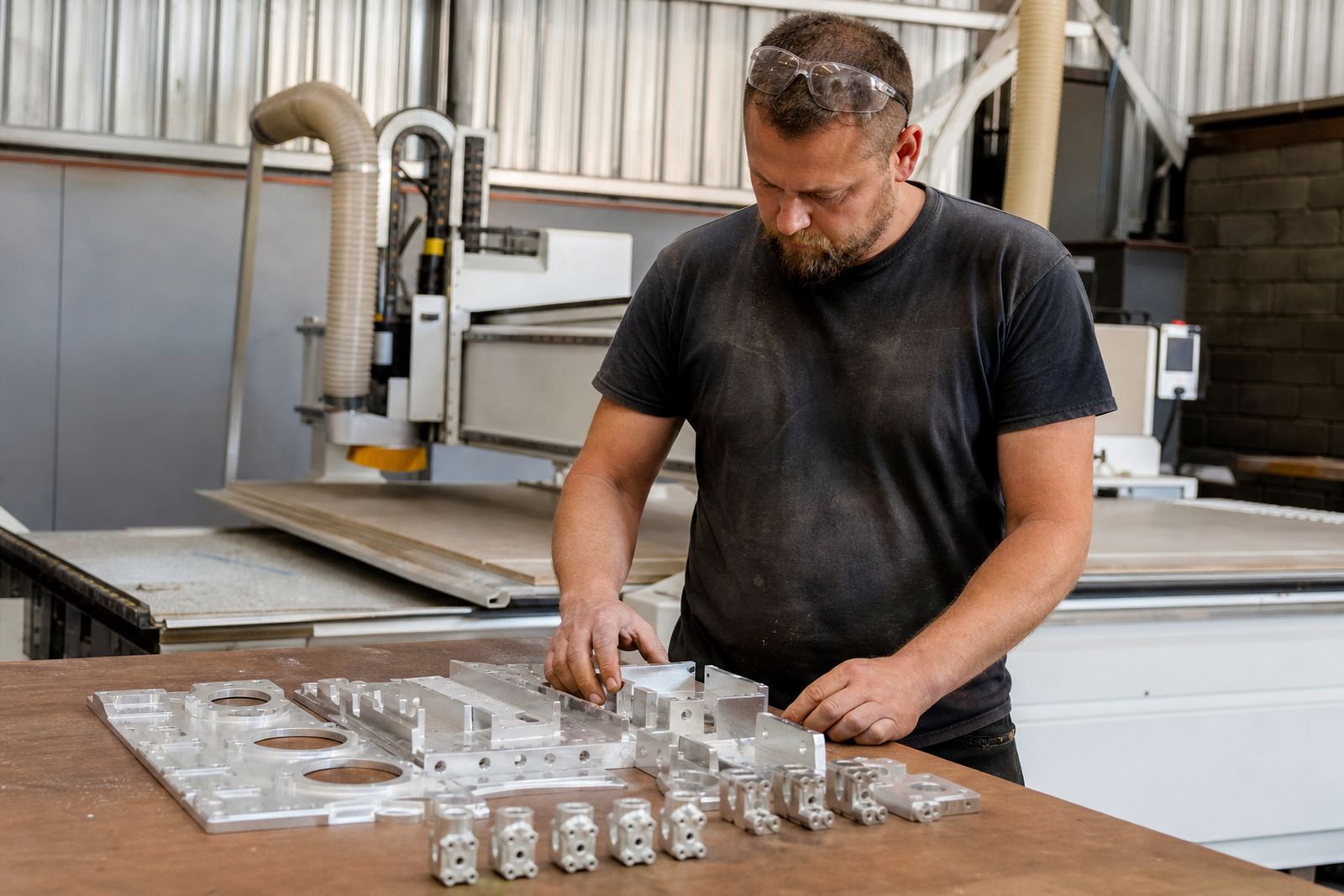
Bloemfontein prototype mill
Aluminium finish mill week with mist notes inland. A Bloemfontein workshop needed crisp finishes on small aluminium parts for a prototype cell.
Read more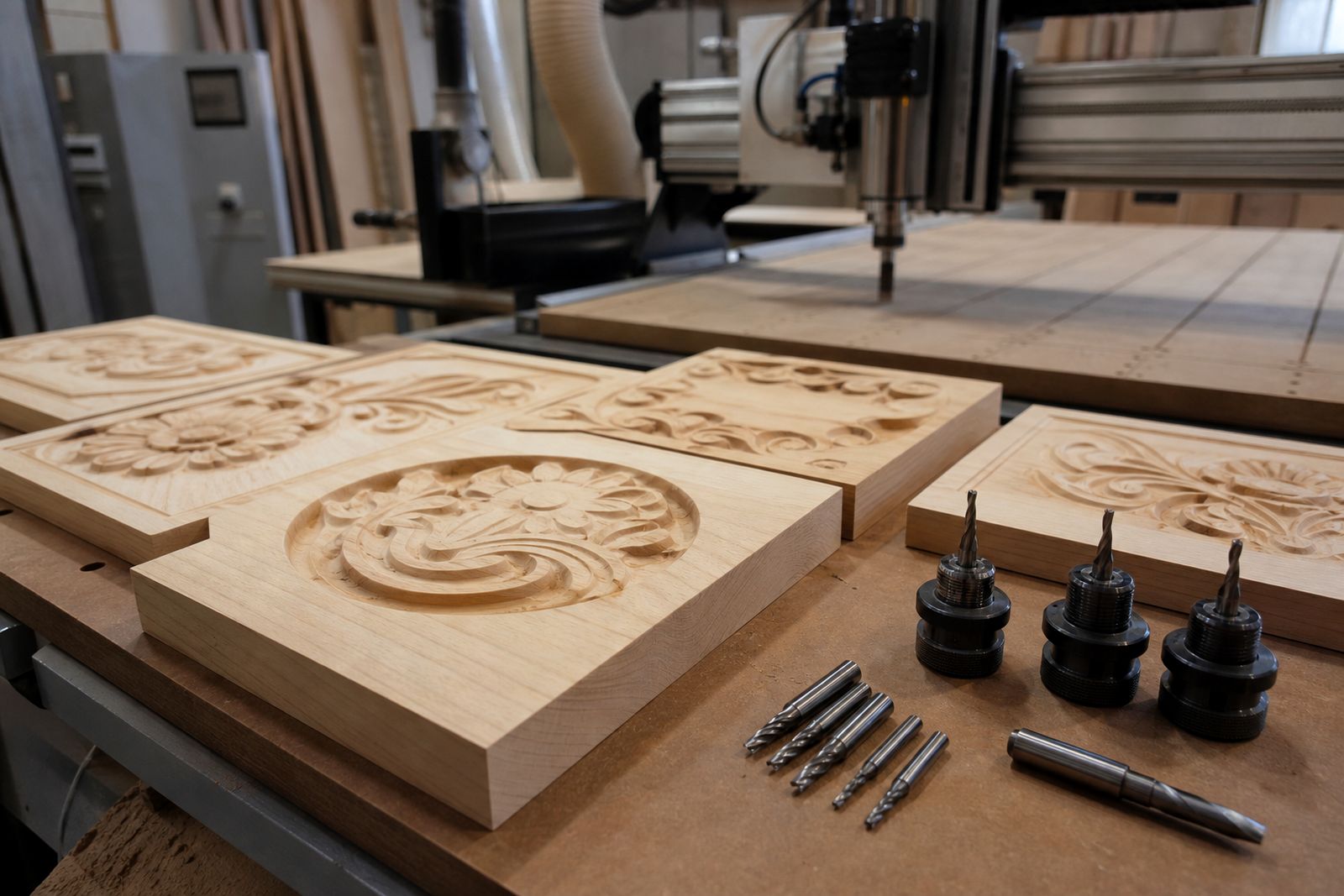
Cape furniture relief
Taper ball-nose relief on softwood blanks with stepover cards. Studio makers in Cape Town needed a reliable taper ball-nose solution for smooth relief.
Read more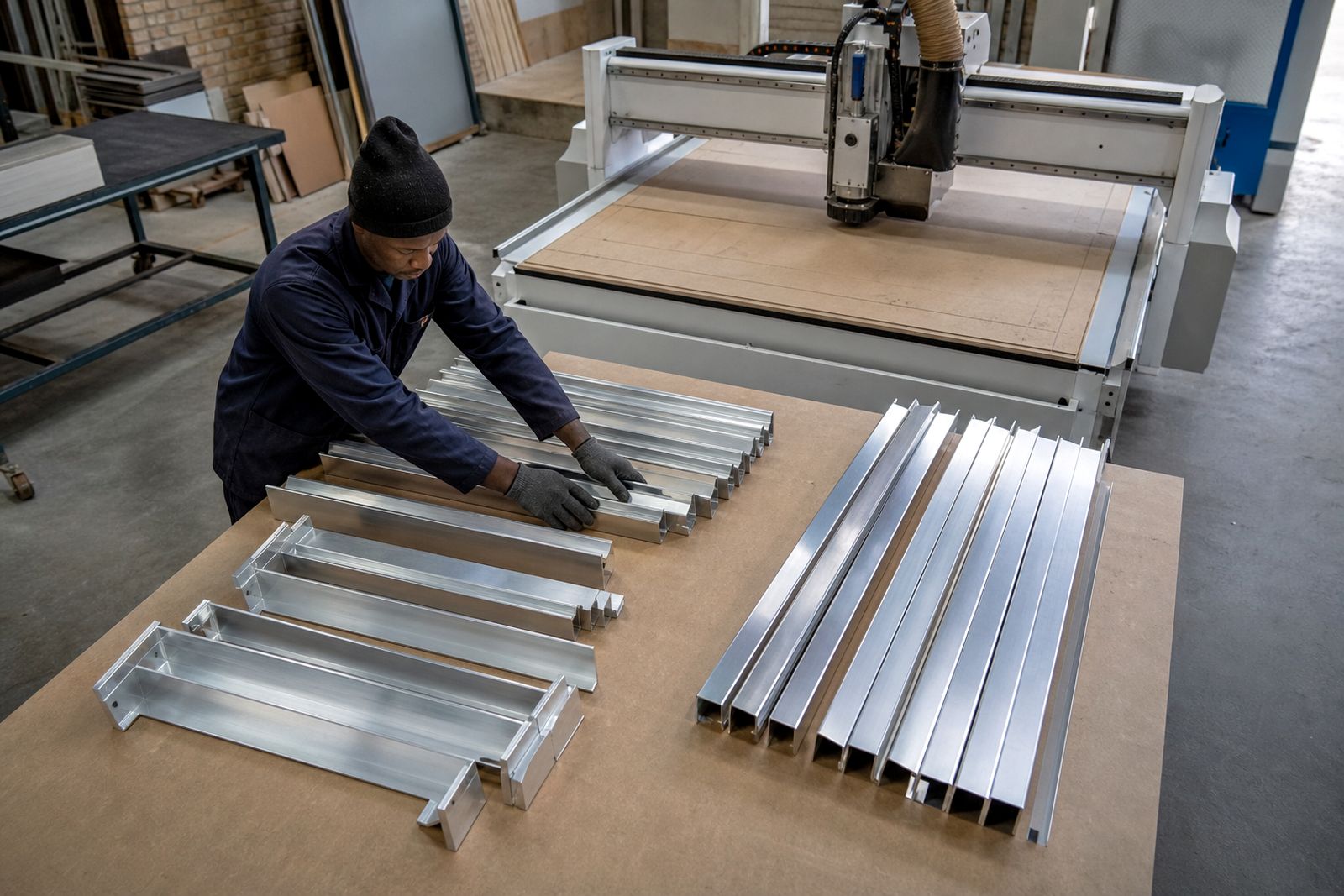
Centurion aluminium trim
Single-flute polish on extrusion faces before powder. Aluminium window trim extrusions needed a mirrored finish on cut faces before heading to powder.
Read more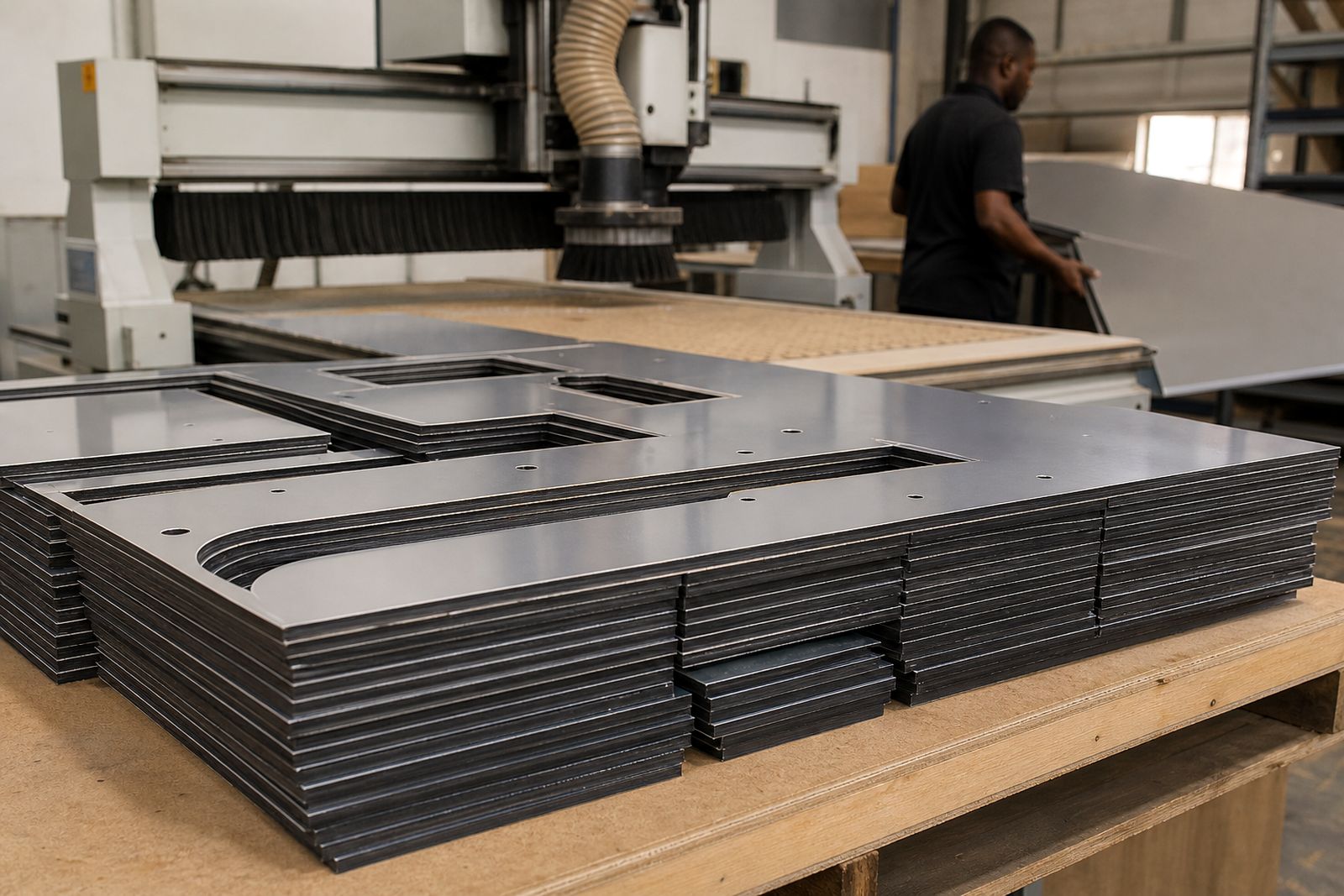
Durban ACM panels
Coastal ACM nest with humidity-aware storage notes. Durban signmakers tackled a run of ACM outdoor panels just as coastal humidity hit its peak.
Read more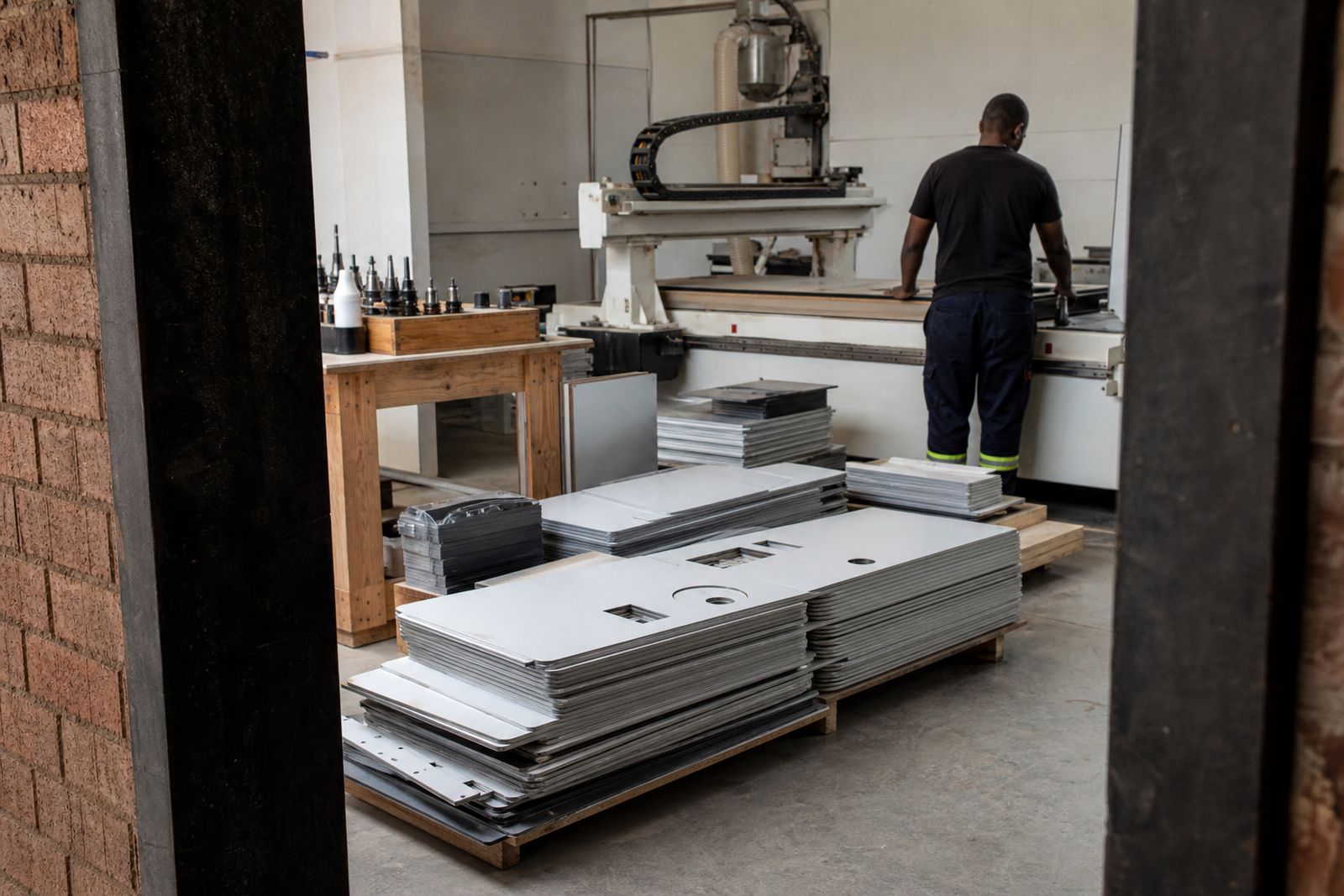
East London outdoor boards
ACM and chamfer week for coastal outdoor boards.
Read more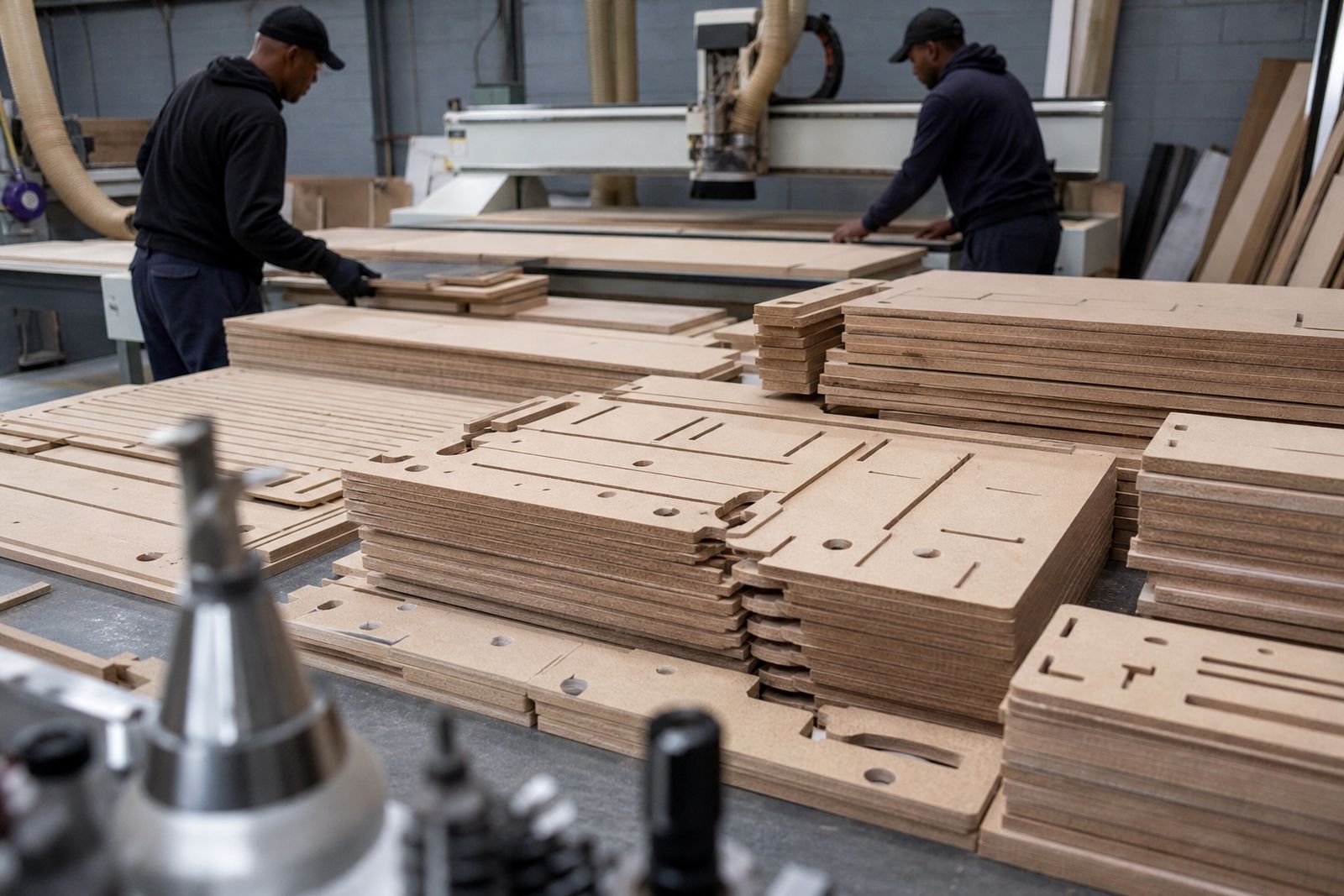
Germiston shopfit
Slot set and compression nest for a shopfitting job. Shopfitters working in Germiston needed a written quote for a slot set and a compression nest.
Read more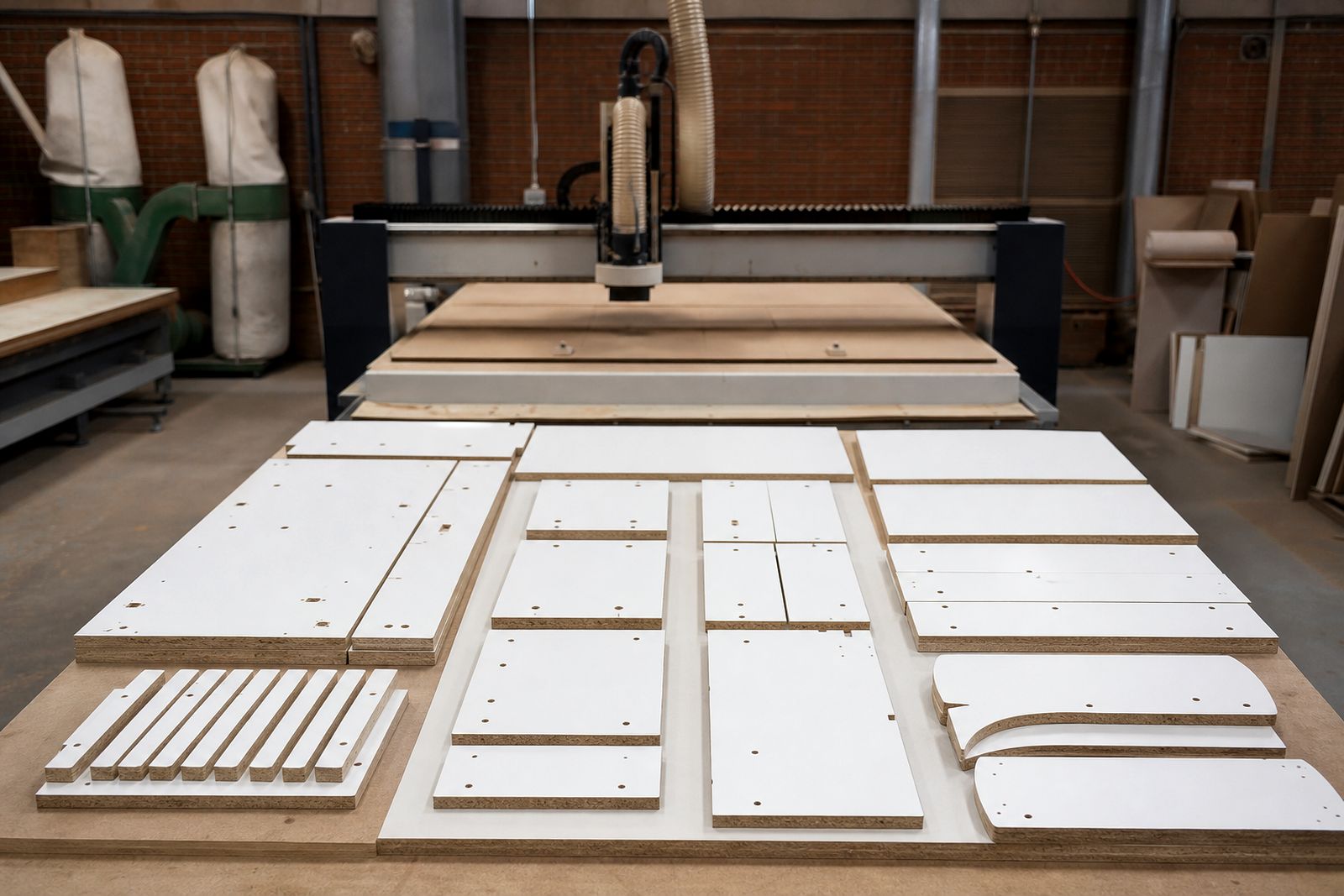
Melamine nest cutting
Melamine compression nests without laminate tearout.
Read more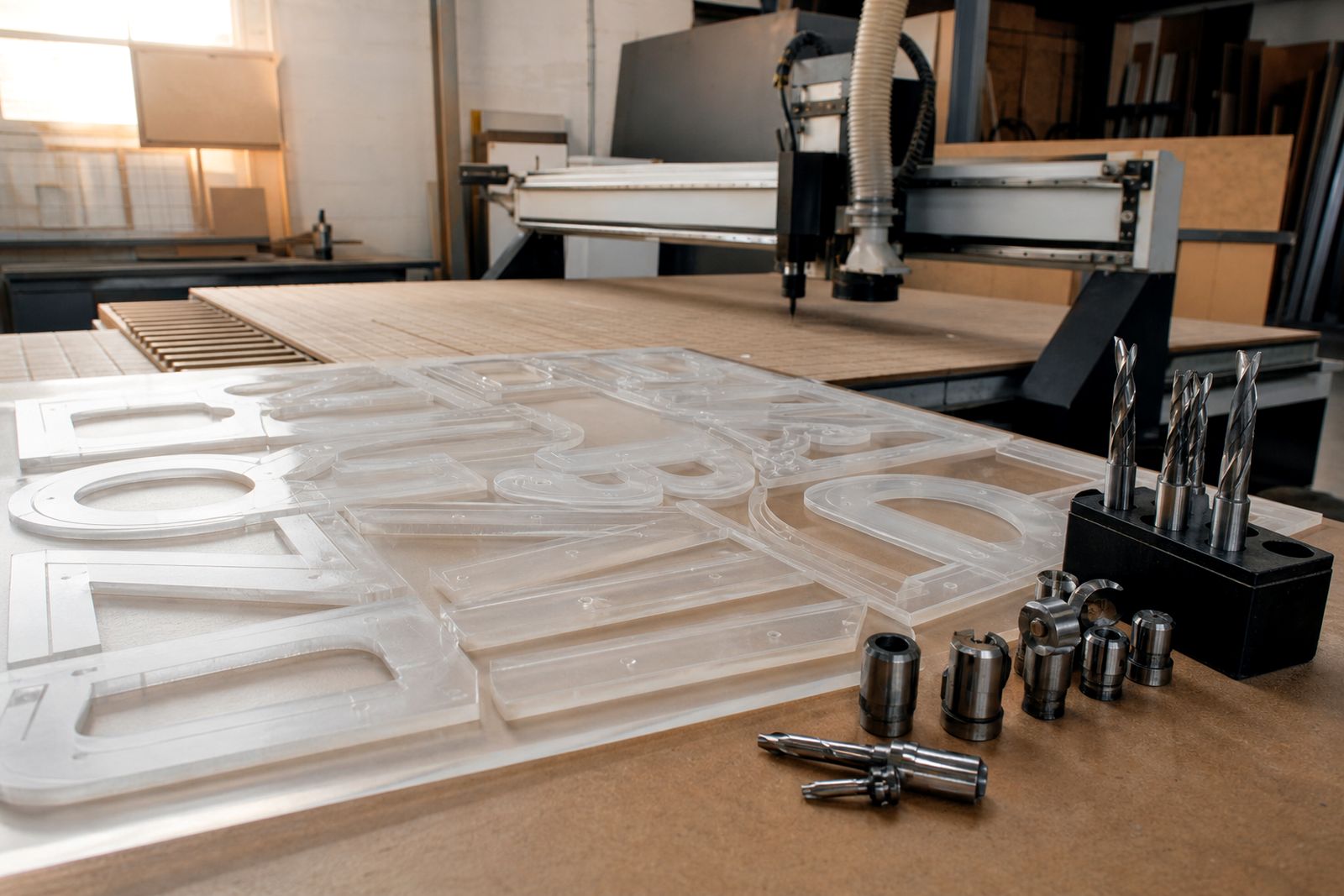
Acrylic letter cutting
Acrylic letter nest with chip-break bits before a Friday install.
Read more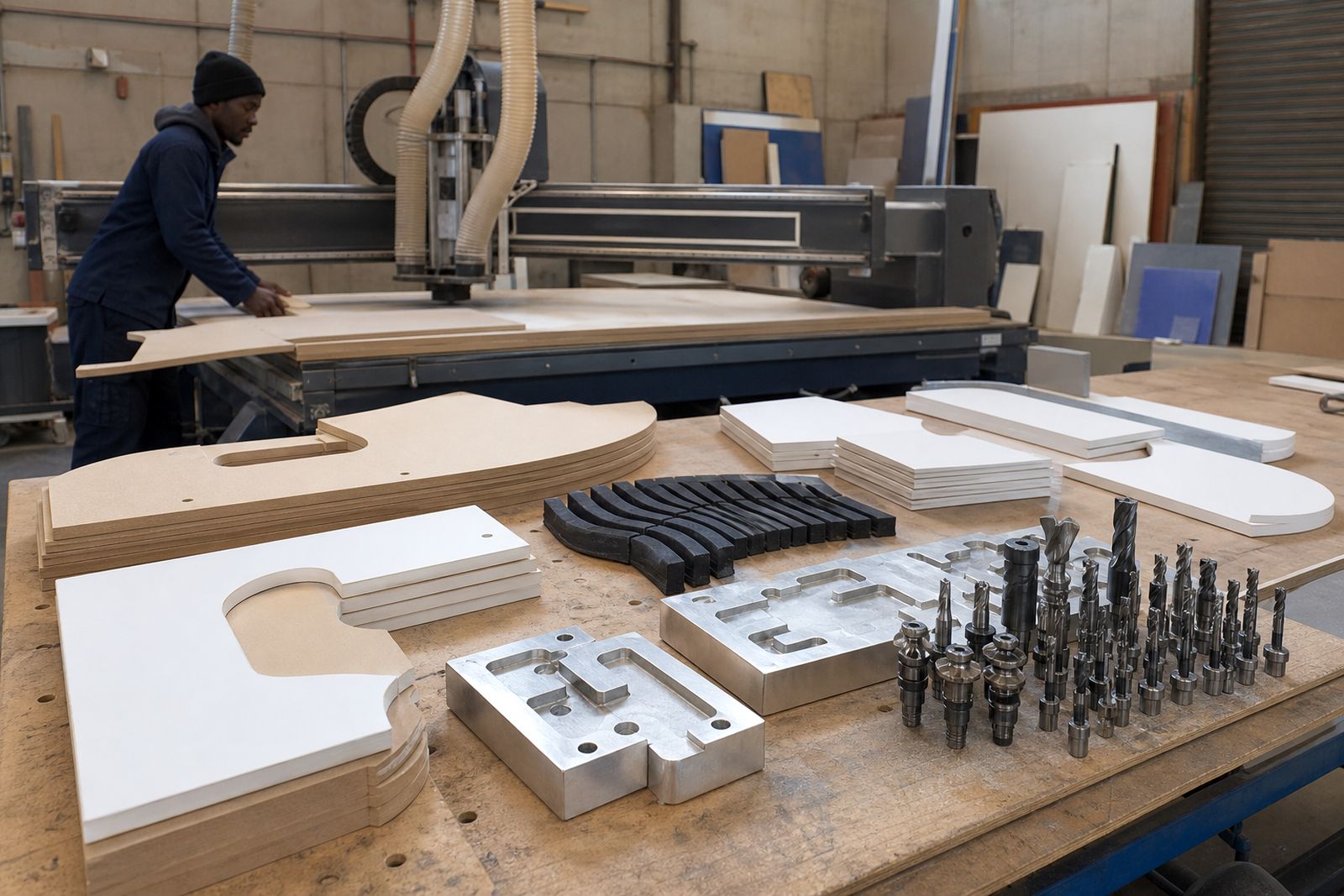
Expo stand tooling
Relief and panel tooling for a regional expo stand.
Read more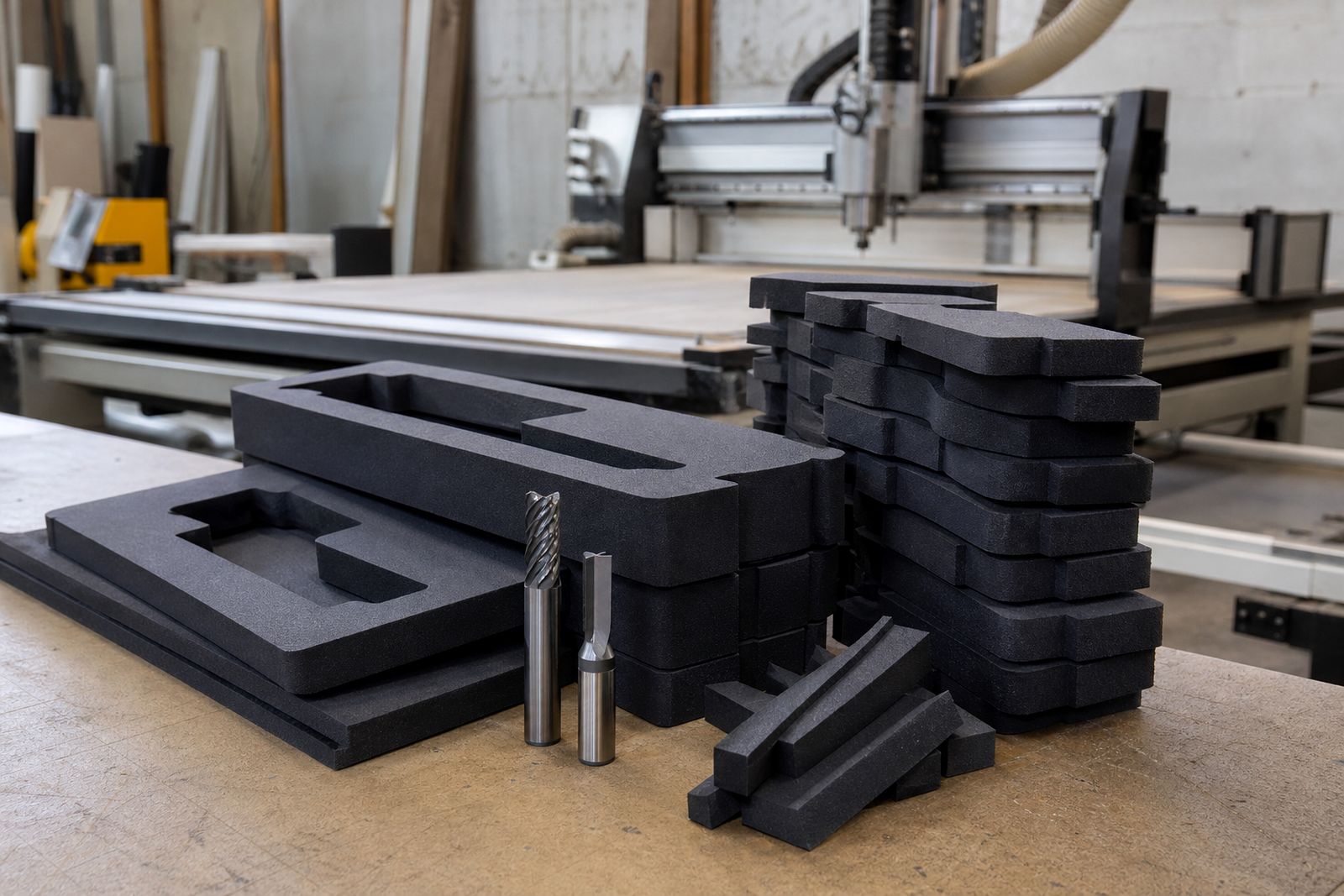
Packaging foam cutting
Foam cutters with tool-life cards for courier packaging work. Cutting packaging foam blanks needed better edge quality and more predictable tool life.
Read more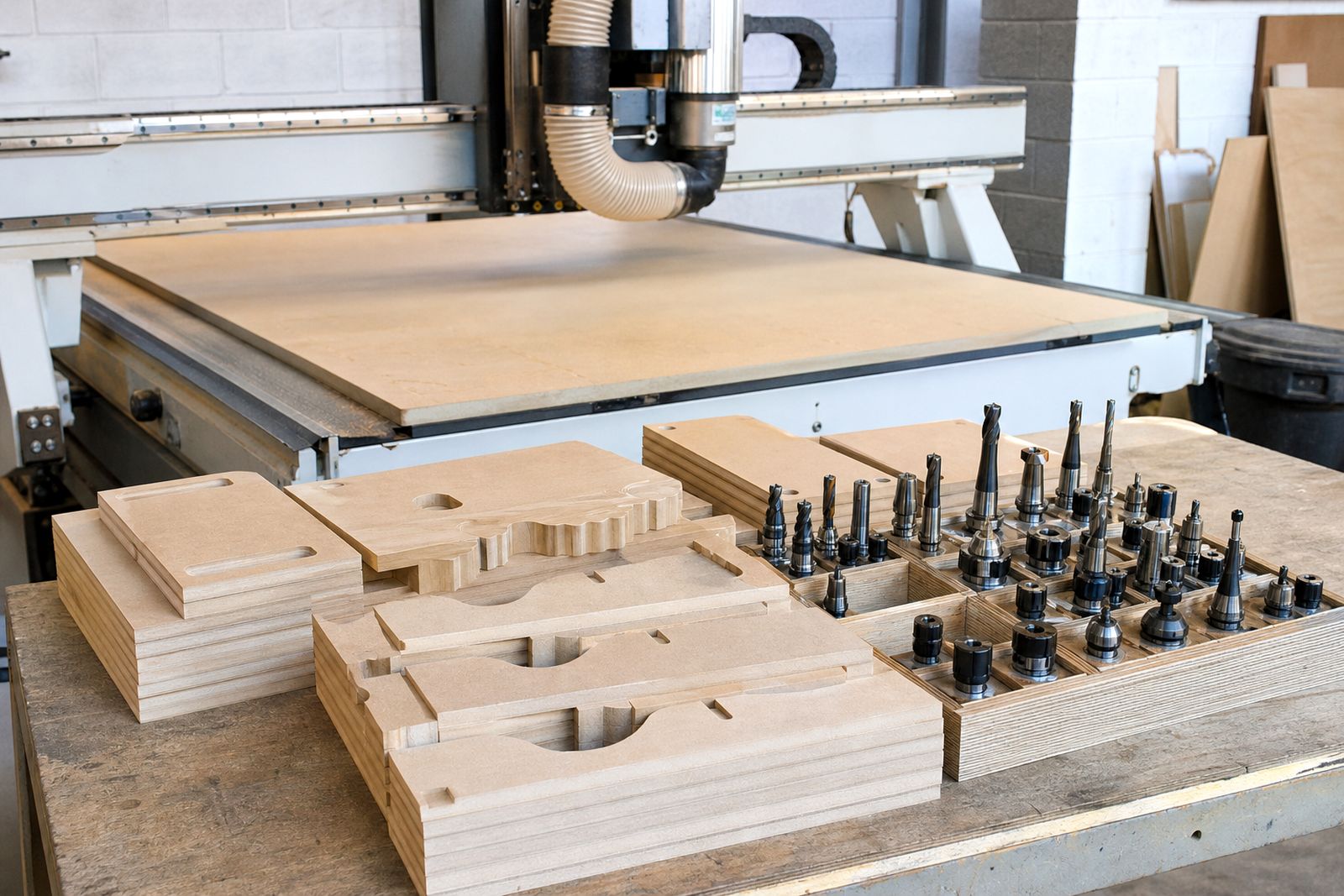
Joinery starter tray
Router bit starter tray for a growing joinery floor. A joinery floor was ready to organise their growing CNC cell but needed the right cutters.
Read more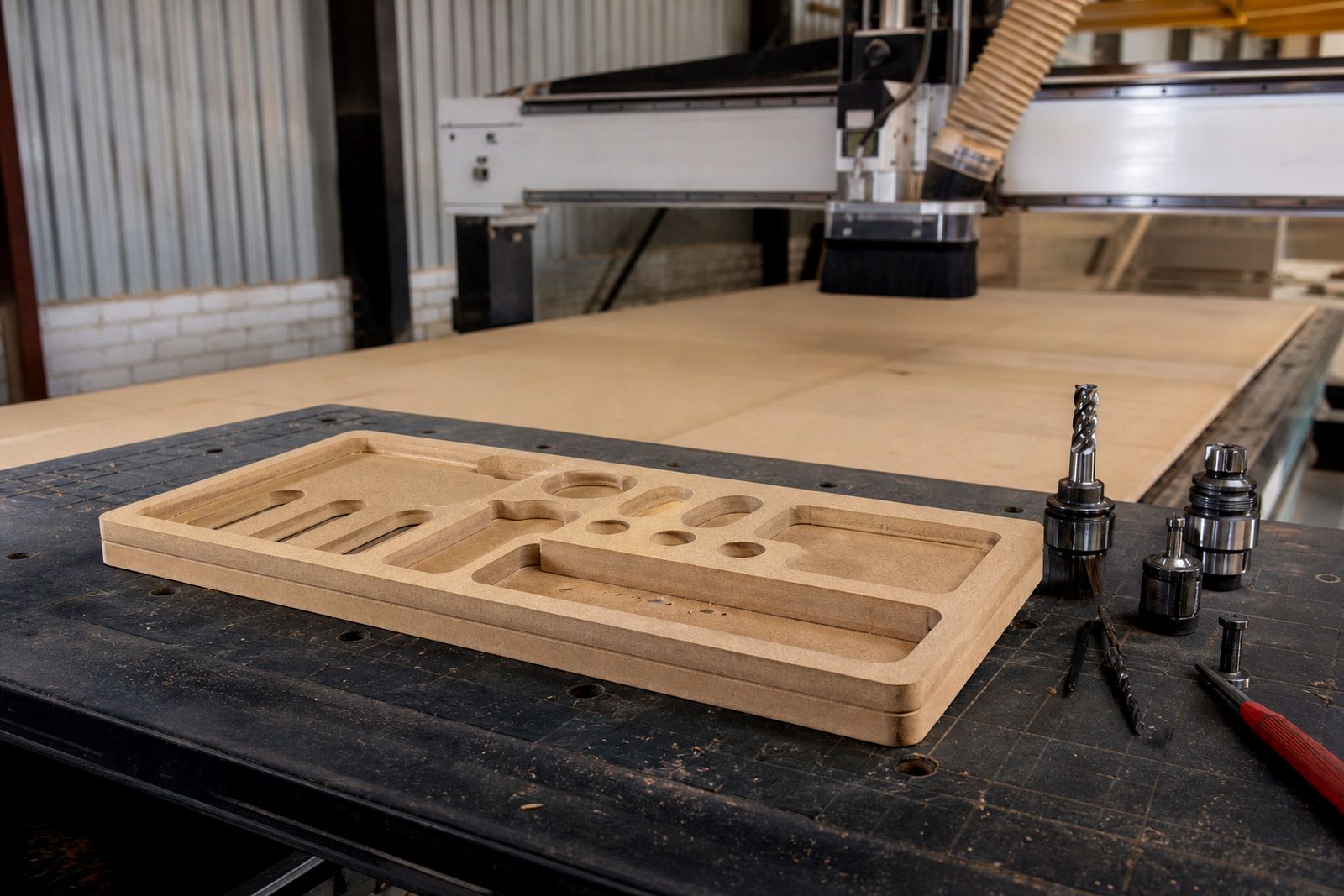
Spindle care tray
Shared spindle tray and collet routine for a school cell.
Read more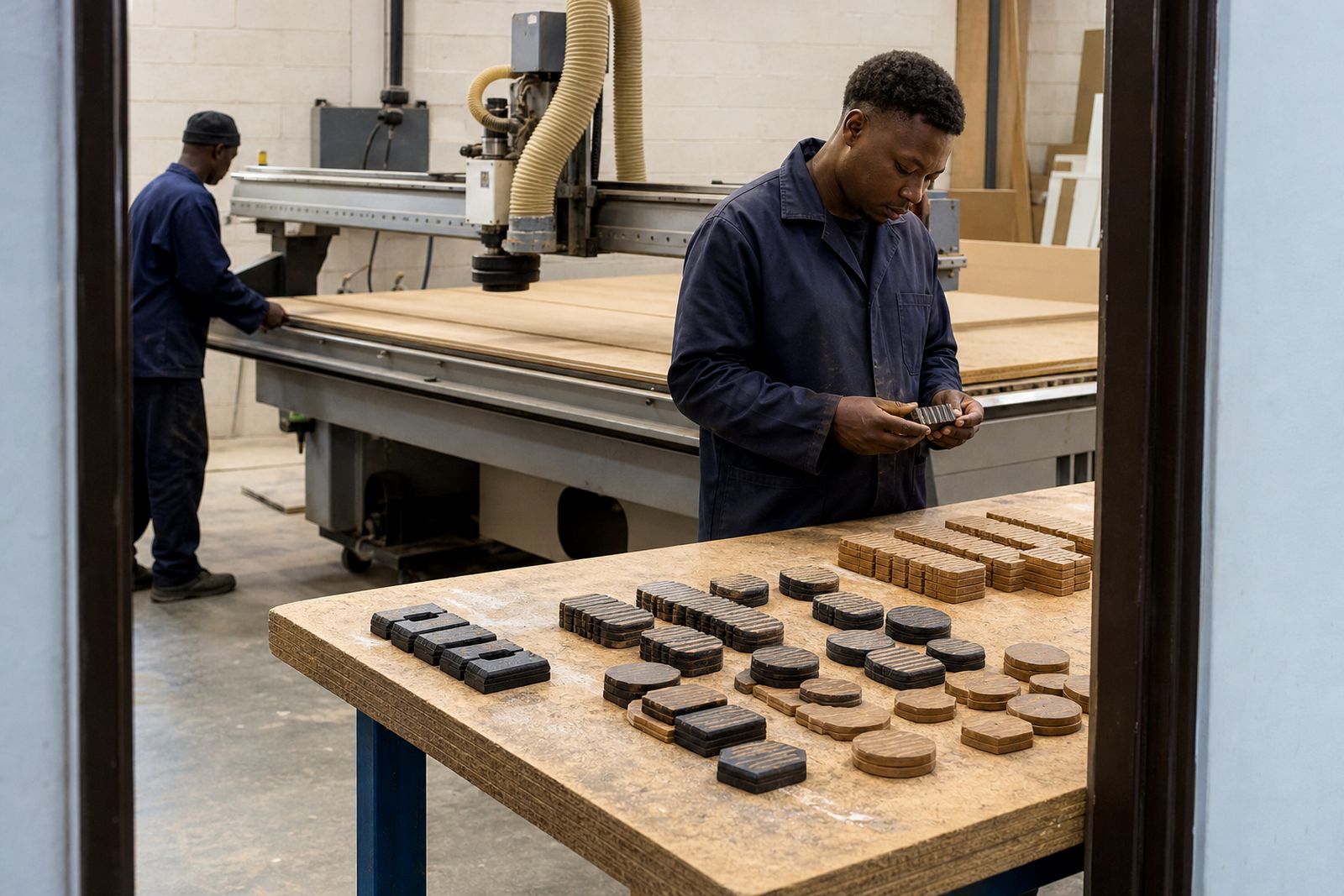
Trophy depth stops
Chamfer and V-bit depth stops for a corporate trophy batch.
Read more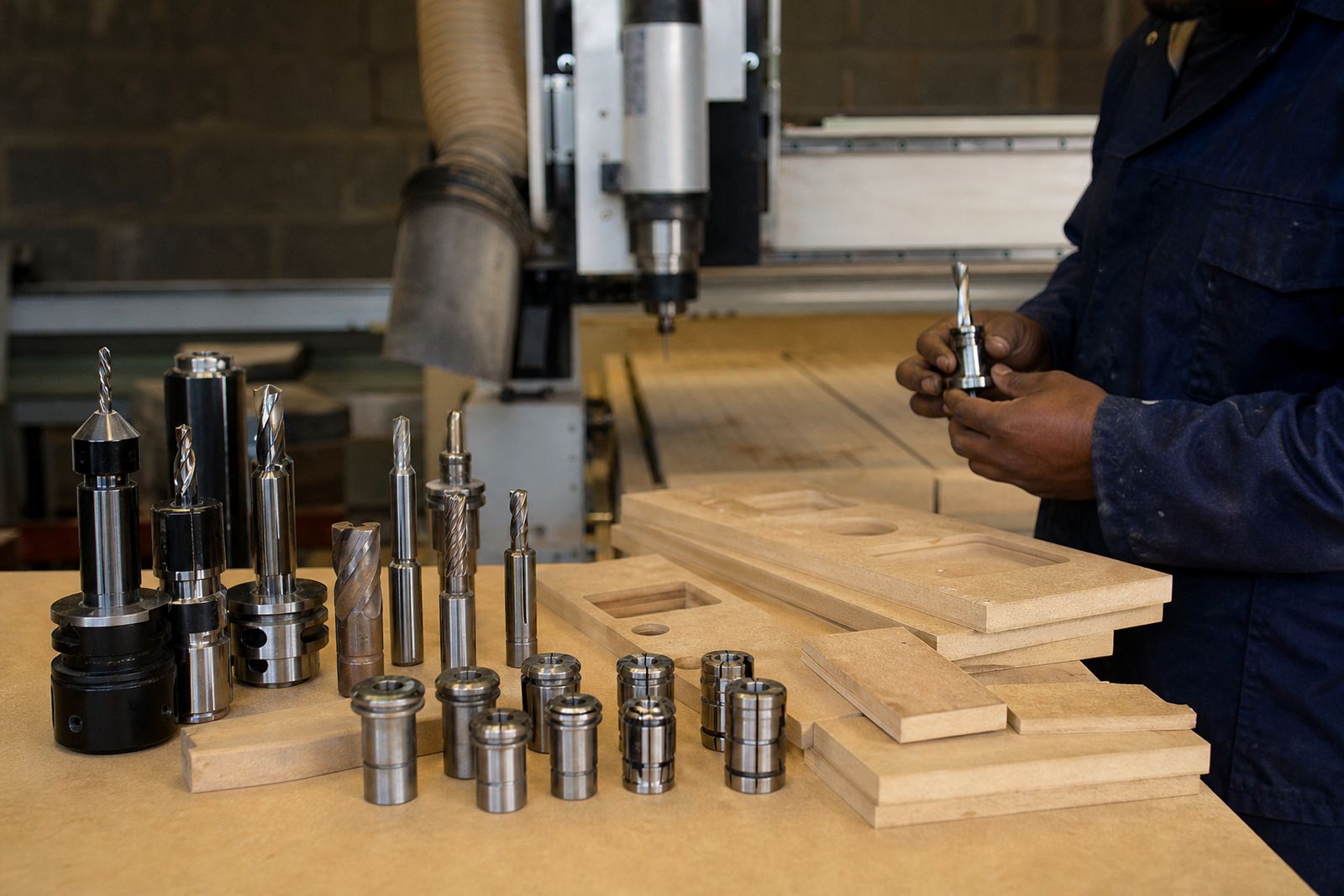
Hobby starter pack
Starter pack and runout check for a hobby spindle. A Soweto home workshop needed to get the right starter tooling and check their spindle runout for a new CNC.
Read more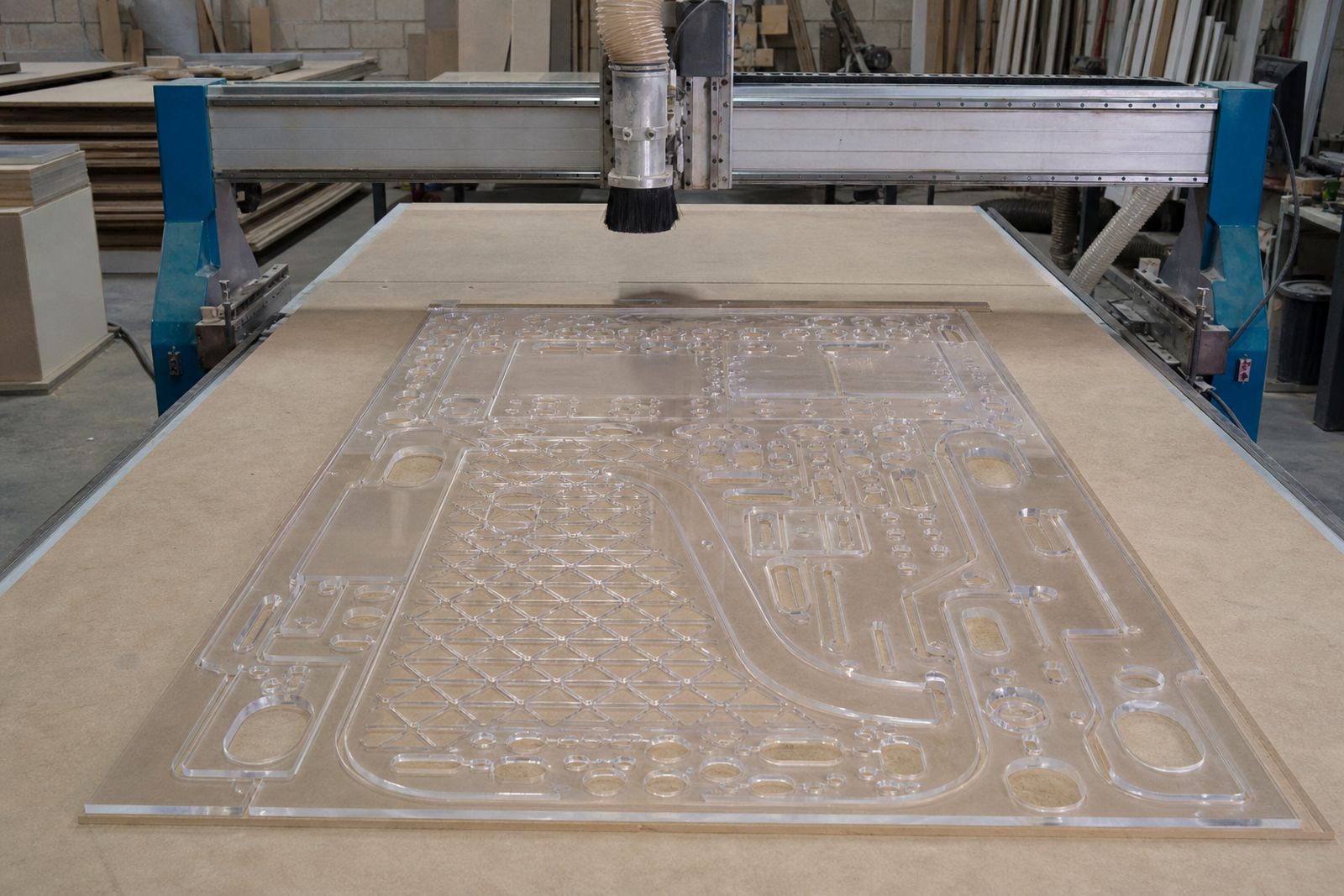
Acrylic chip control
Long acrylic nest with chip-break geometry and cool edges.
Read more
Tool-life cards on a Germiston workshop floor
Printable tool-life cards and one-line setup briefs for Germiston joinery and sign workshops, with cutters, regrind notes and practical advice.
Read moreWhat our Cutting Tool customers say
Verified Google reviews
Tell us about the job you need to cut
Send a note through our contact form with your machine, spindle and collet size, the material and thickness, the finish you need and your area, and we will come back with practical cutter options and a quote.
Open the contact form