

Prototype cells
Prototype cells need versatile tooling for quick changeovers and consistent results on shifting materials.
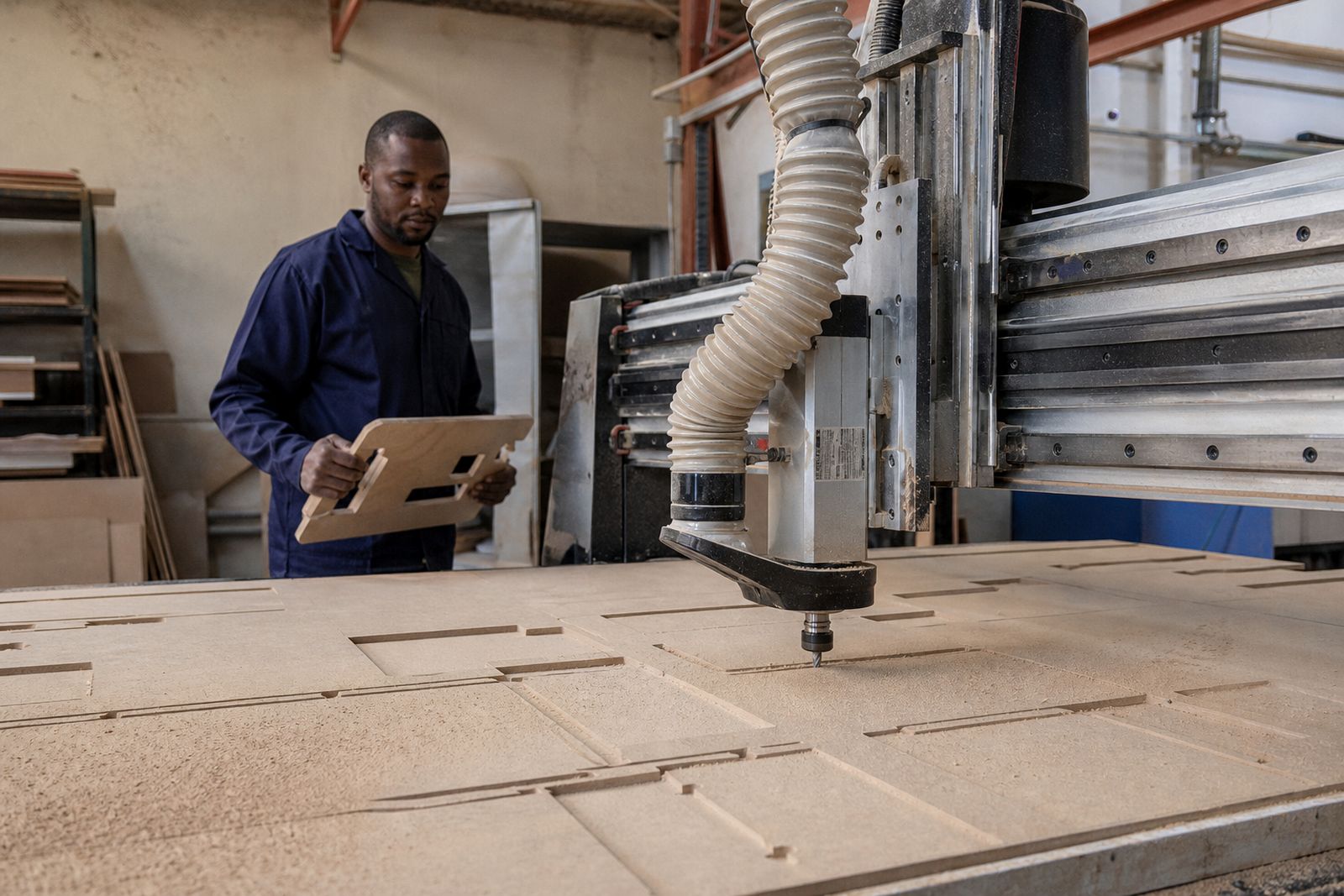
Common materials and cutting tasks in prototype cells
Short-run tooling in prototype cells demands precise, adaptable tools. Our Edge Pro endmills, Aluminium finish mill, and Tool Life Cards help manage performance and tool changes as requirements shift mid-week.
See also edge notes and printable cards.
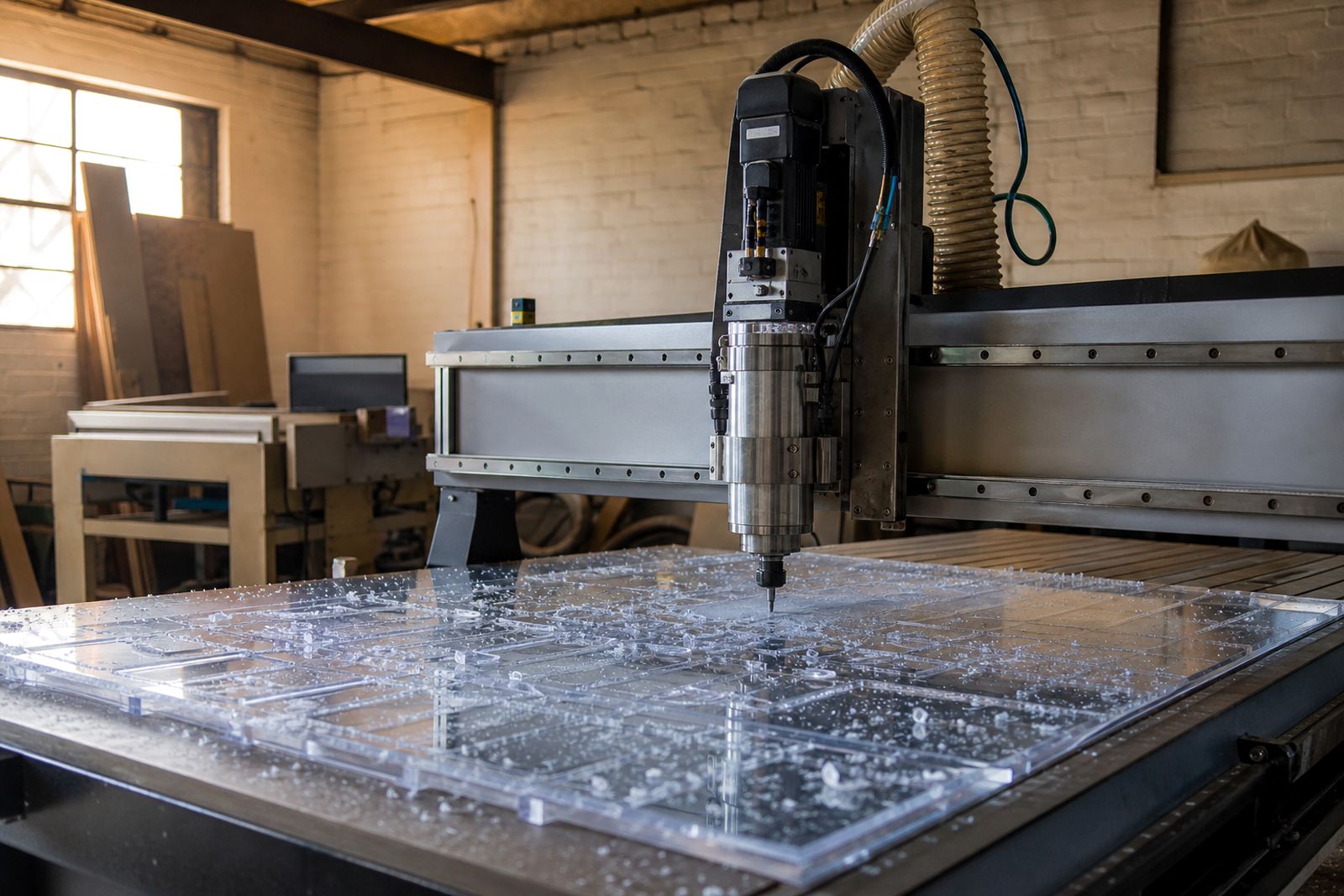
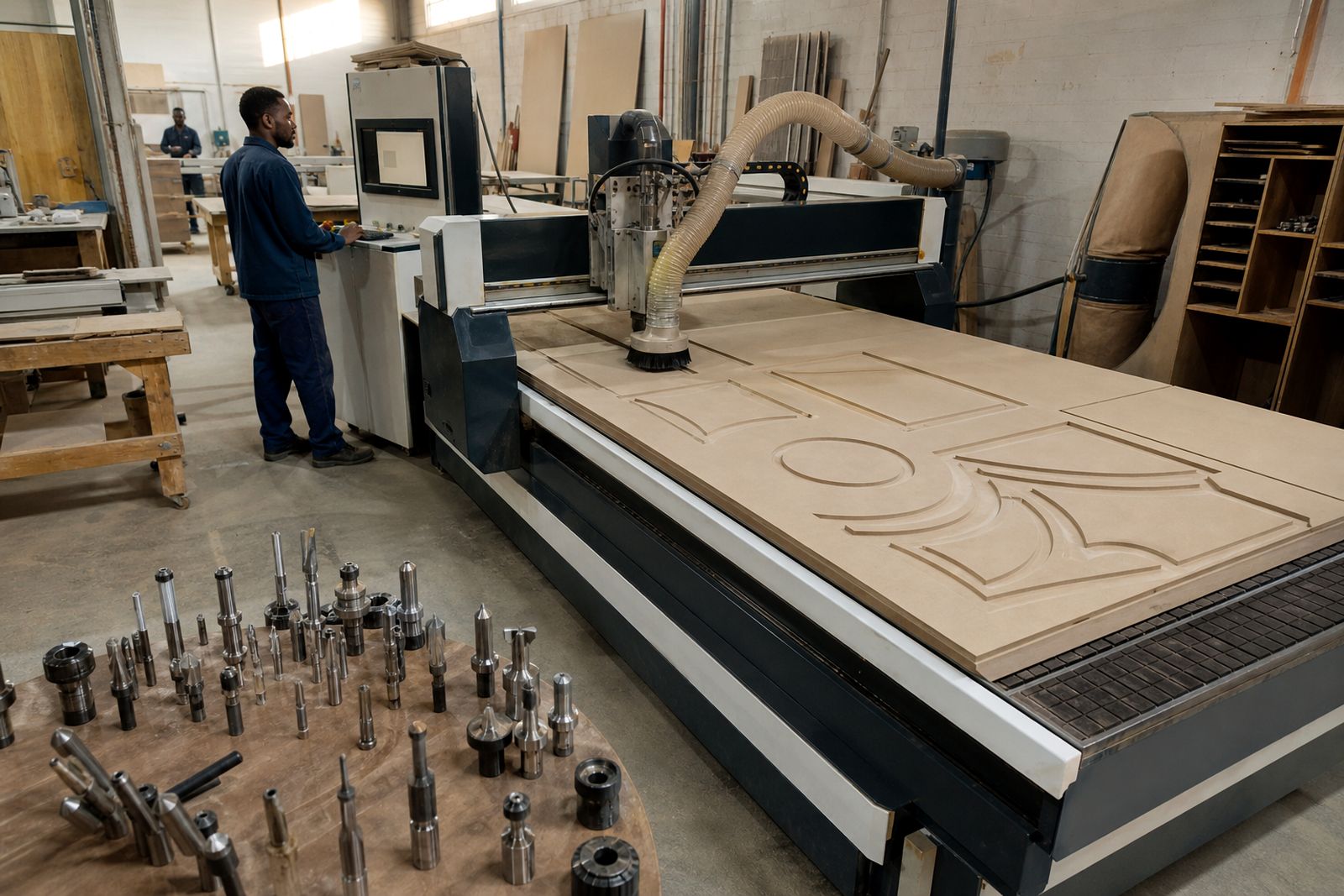
Prototype workshop cells often handle a wide mix: MDF and plywood for fit checks, acrylics for display elements, and aluminium for bracketry or housings. Some projects even swap polymer sheets and compact laminate within the same week. Fixtures and parts are typically cut in one to ten units, with many setups and test runs.
Cutting tasks range from rapid slotting and profile routing to precise finishing passes on visible surfaces. Toolpaths may shift from holding tabs on one job to onion-skinning for another. Parts might be nested tightly to save material, which puts extra demand on tool accuracy and stepover control.
Common tooling mistakes in prototype cells
Rapid material changes push end mills hard, resin build-up from MDF, chip welding in aluminium, or chipped edges from switching to acrylic without cleaning the collet. The urge to push feeds for short-term speed can overheat tools, while swapping between upcut and downcut spirals without checking runout can leave poor finishes.
Short-run work tempts teams to keep tools running past their best edge, risking breakage or fuzzy edges on a key prototype. Missed changes in chip load or missed vacuum hold-down checks can cause material shift, especially with small pieces or quick jobs.
CuTool tools for prototype cells
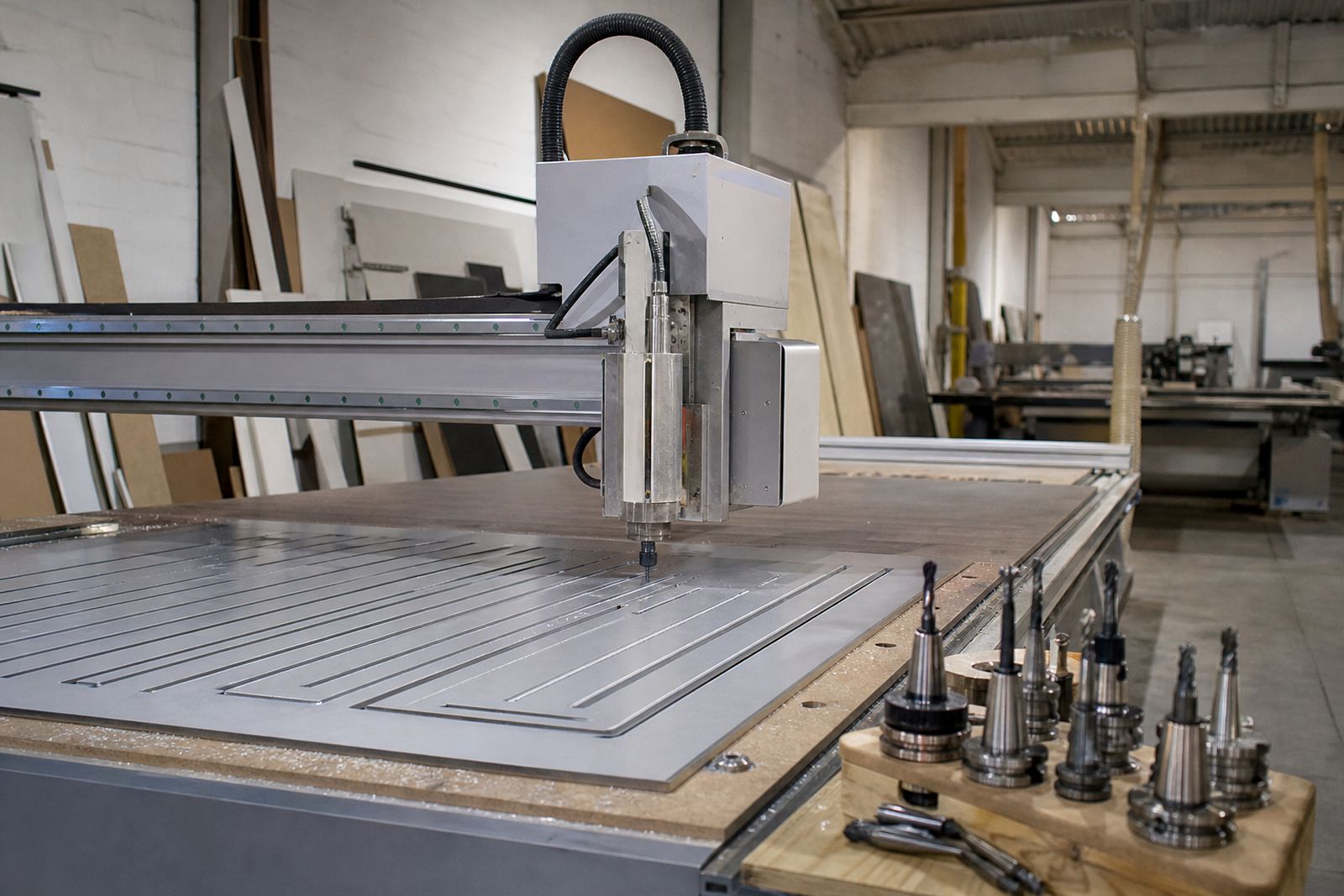
For prototype cells, CuTool supplies Edge Pro endmills for MDF, plywood, and plastics, with 3 to 12 mm diameters suited to typical fit parts and slots. For aluminium, the Aluminium finish mill gives clean results on profiles and faces, especially when your team uses mist or an air blast to clear chips and manage heat. Use a Tool Life Card at the toolholder, marking each tool’s last material and run time to help track when to swap or send for regrind.
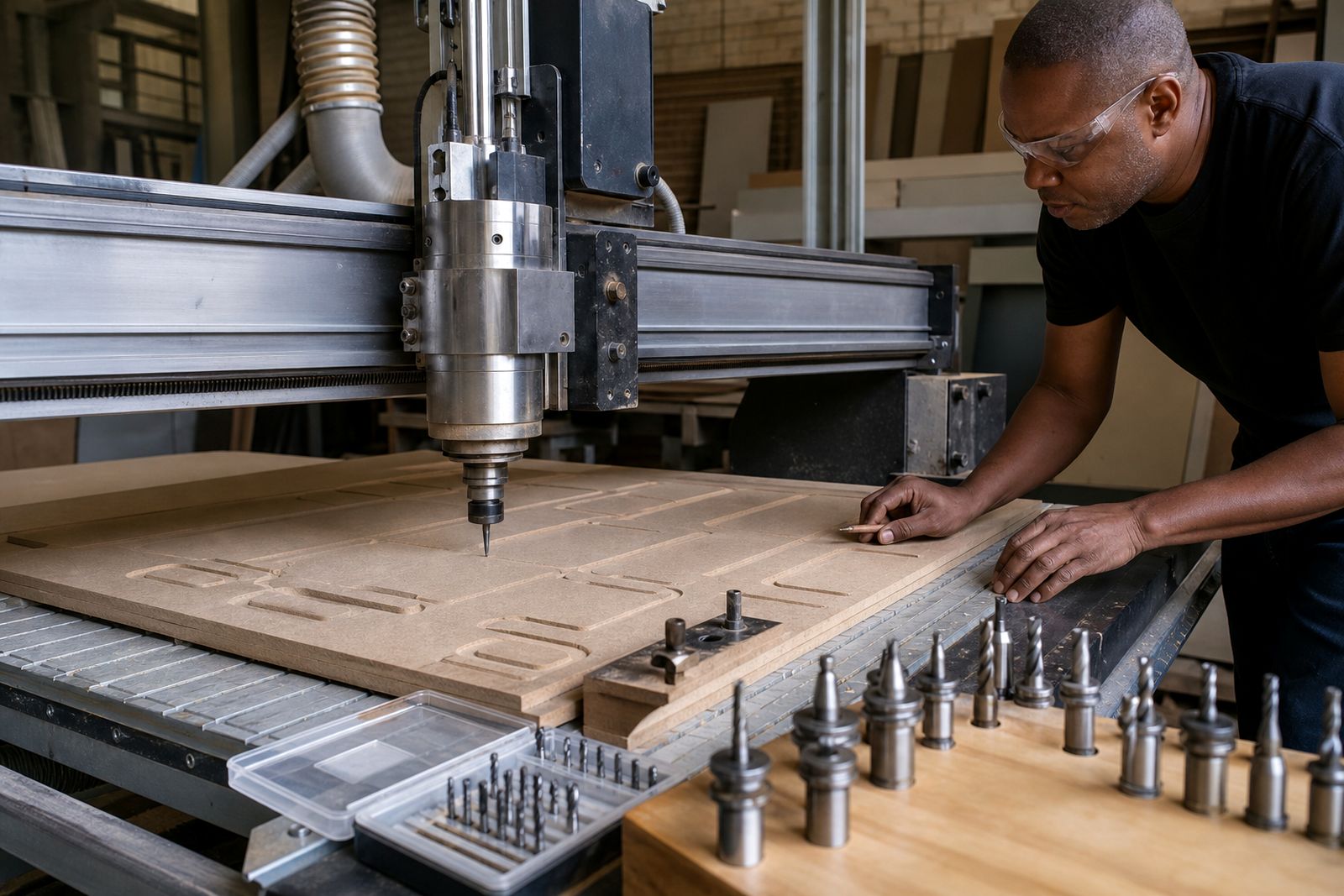
A typical job starts with a rough cut using the Edge Pro endmill, then a finish pass with the same tool for MDF or plastics, or a swap to the aluminium finish mill for metal. The tool life card is updated after each part or material change. When surface finish matters, keep stick-out short, check runout with a dial indicator, and clear the collet of dust or swarf before fitting the next tool.
- Edge Pro endmills: rough and finish cut on wood, plastics
- Aluminium finish mill: clean edge on metal
- Tool Life Cards: track changes, avoid overuse
- Dial indicator: check runout before each run
Planning stock and regrinds for busy prototype cells
Keep at least two spares of each cutter size in stock, one for immediate swap, one for regrind or back-up. Mark tools clearly for MDF or aluminium only, as mixing shortens life. Plan courier orders early ahead of school terms, festive shutdowns and December installs; high season sees tight courier capacity, especially outside Gauteng. If your cell is in an area with regular power cuts, use a UPS for the controller, and re-zero after any interrupted pass.
Update Tool Life Cards every job change, and book regrinds as soon as diminishing finish or increased spindle load is noted. For any tooling queries or to plan large regrind batches, contact us through our contact form.
What our Cutting Tool customers say
Verified Google reviews
Also worth a look
Tell us about the job you need to cut
Send a note through our contact form with your machine, spindle and collet size, the material and thickness, the finish you need and your area, and we will come back with practical cutter options and a quote.
Open the contact form