

Packaging cut cells
Packaging cut cell workshops rely on accurate, clean foam and board cutting with dependable tool life tracking for day-to-day productivity.

What packaging cut cells cut and their typical materials
CuTool’s spiral cutters and Tool Life Cards are tailored for packaging cell CNC work, handling foam, corrugated board and laminates with ease. Our Holder Collet Kit ensures reliable clamping and consistent quality from setup to final pass.
See also edge notes and printable cards.
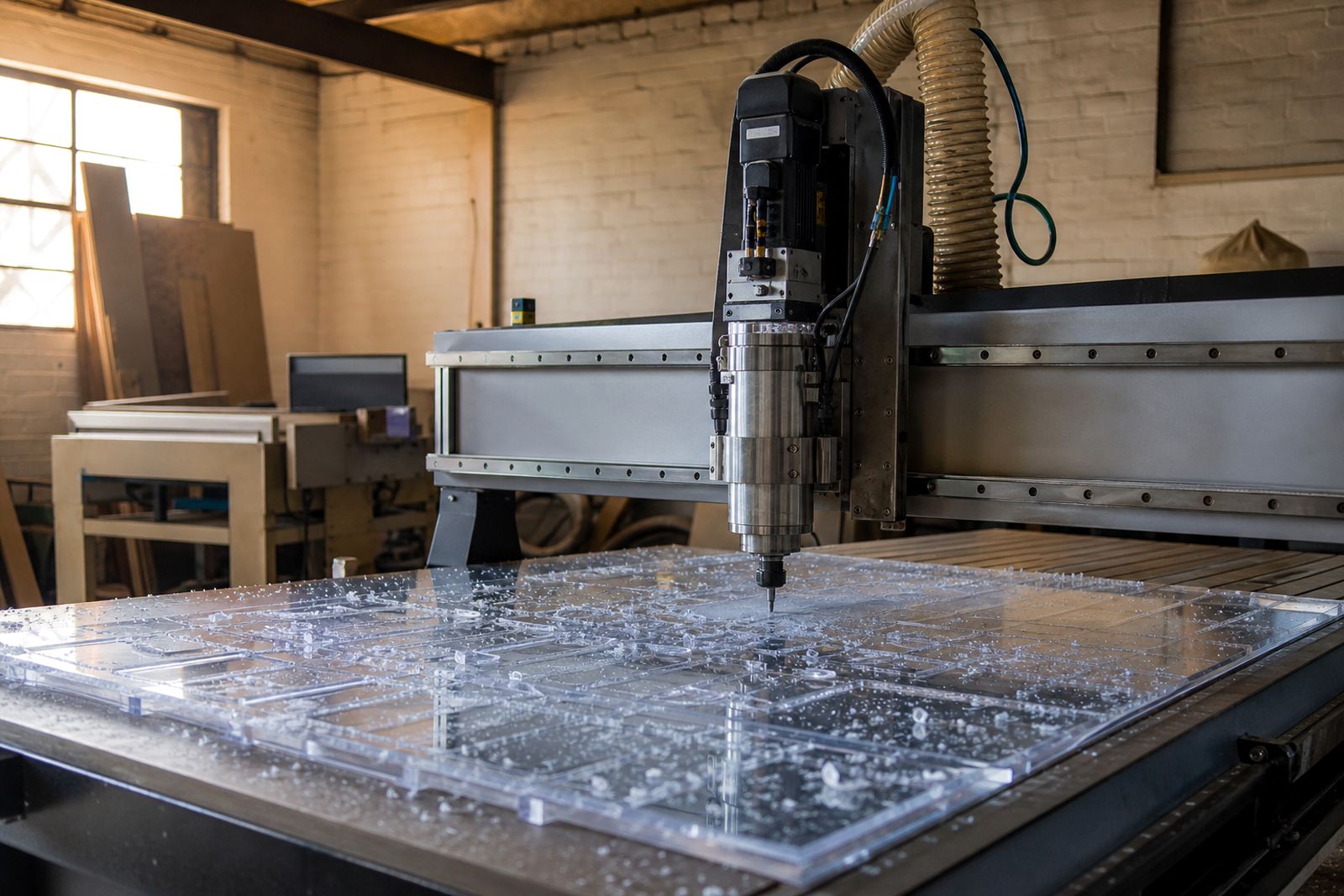
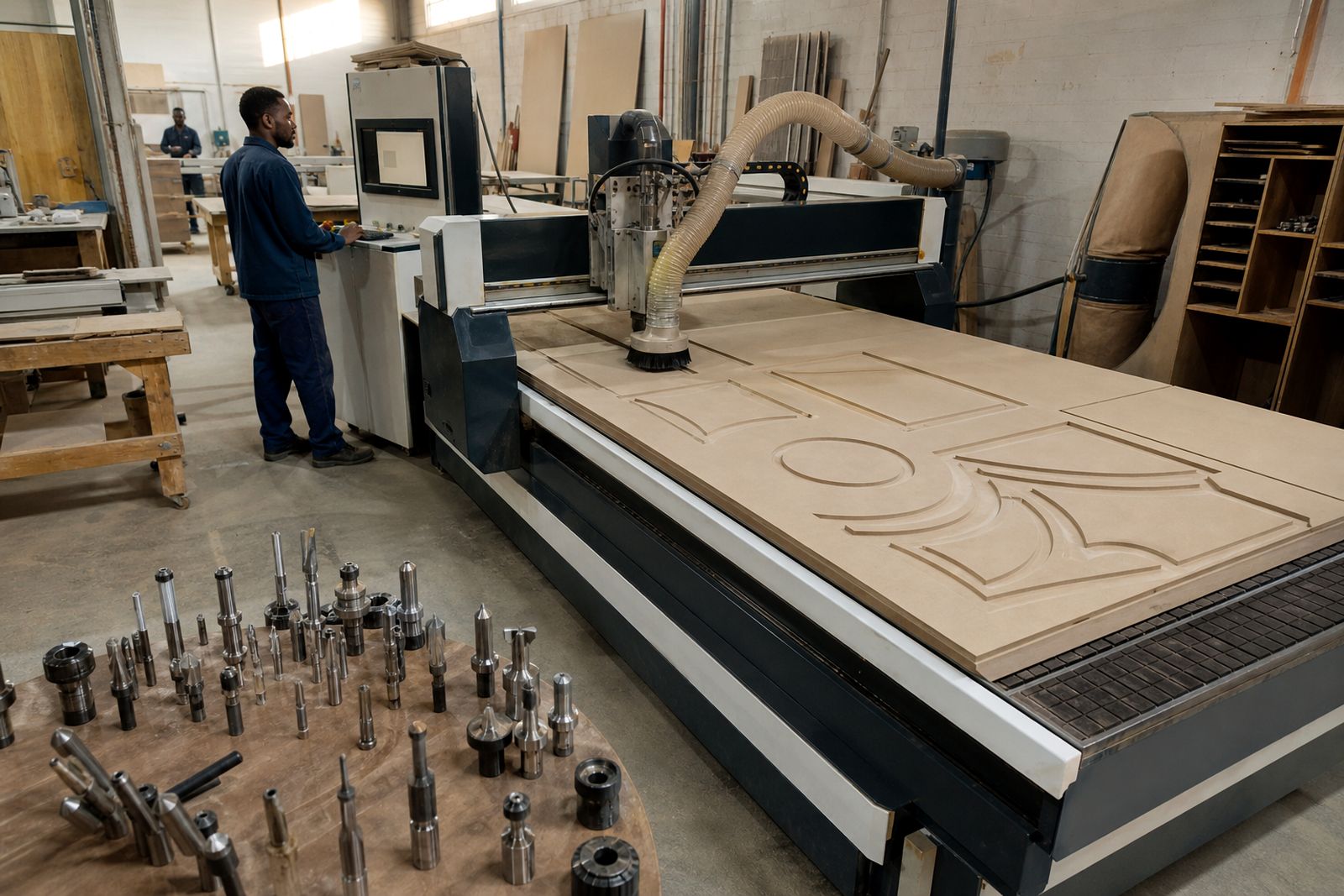
Packaging cut cell workshops handle a steady flow of custom and standard foam inserts, corrugated board layers and display board partitions for protective packaging. The most common sheets are LDPE foam, XPS foam, EPE, honeycomb board and various corrugated grades, plus PVC or PET display boards for high-impact jobs. Material thicknesses vary from 3 to 60 mm, with jobs often needing tight fitting slots, intricate voids or long straight slits. Clean edges without fuzz or melting are critical where foam is involved, so sharp tools and accurate feeds make all the difference. On many builds, both small-run prototypes and volume repeats run through the same cell, so flexibility in tool changes matters.
Where tooling goes wrong in foam and board jobs
Foam and board can lull you into thinking tool life is endless, but dull spirals give ragged edges and melted foam, especially in summer heat or humid coastal air. Most cells see early wear from caked-up resin or compressed dust in the flutes, especially on long jobs or if sticky packaging tape is left on the stock. Wrong helix direction can tear board layers or lift thin foam off the spoilboard. Using a poor collet fit or a dirty nut is a top cause of runout, which gives ‘snakebite’ kerfs and poor fit on foam slots. Cutting too fast or plunging straight in without a ramp burns the edges and ruins the foam cell. With large sheets and batch deadlines, even one blunt cutter can waste a whole stack of material.
- Dull spirals create frayed or melted foam edges
- Wrong helix direction tears board surfaces
- Sticky residue or dust clogs flutes quickly
- Excessive stick-out increases vibration
- Dirty collets and nuts cause runout
CuTool kits and how they run through a typical packaging cell job
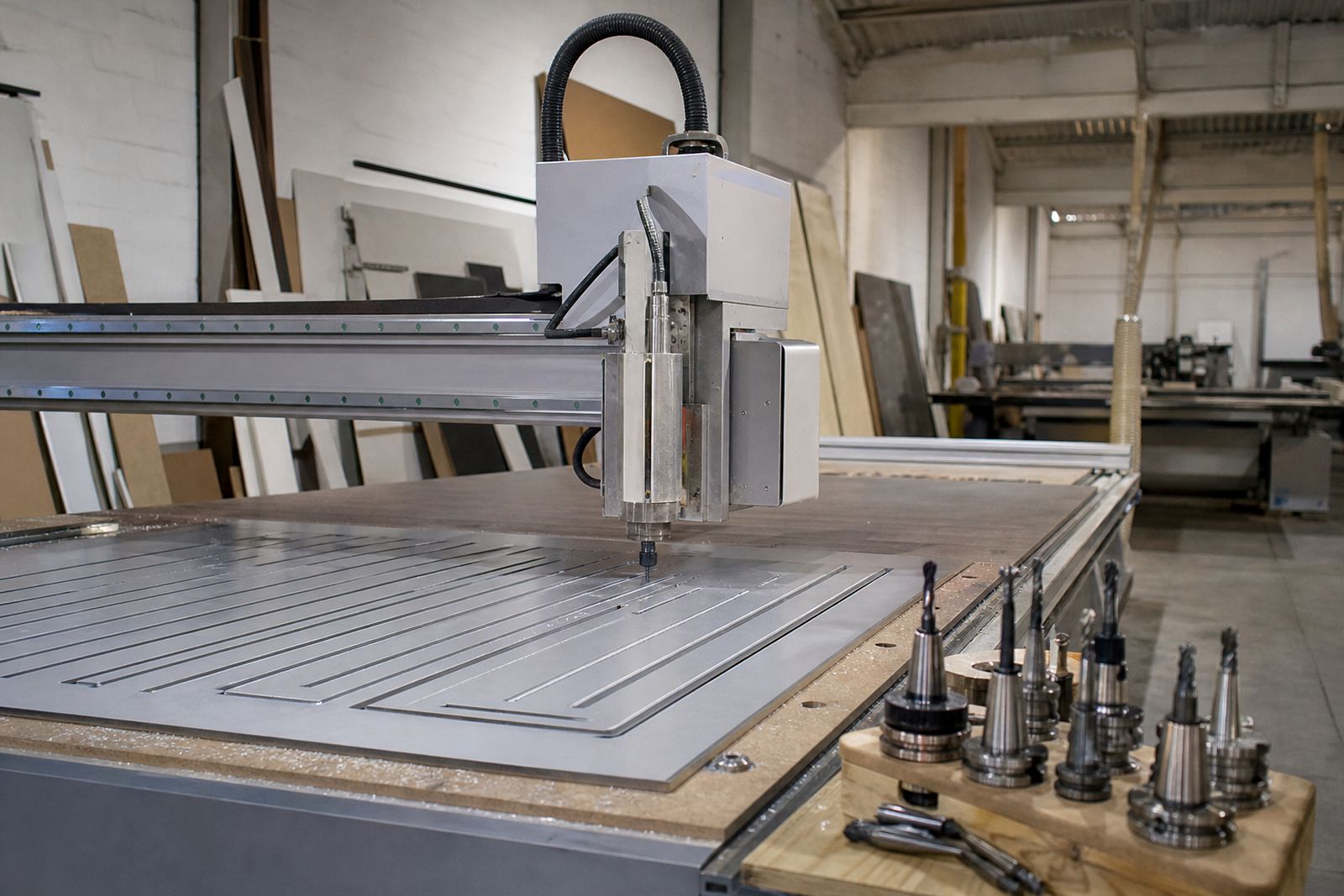
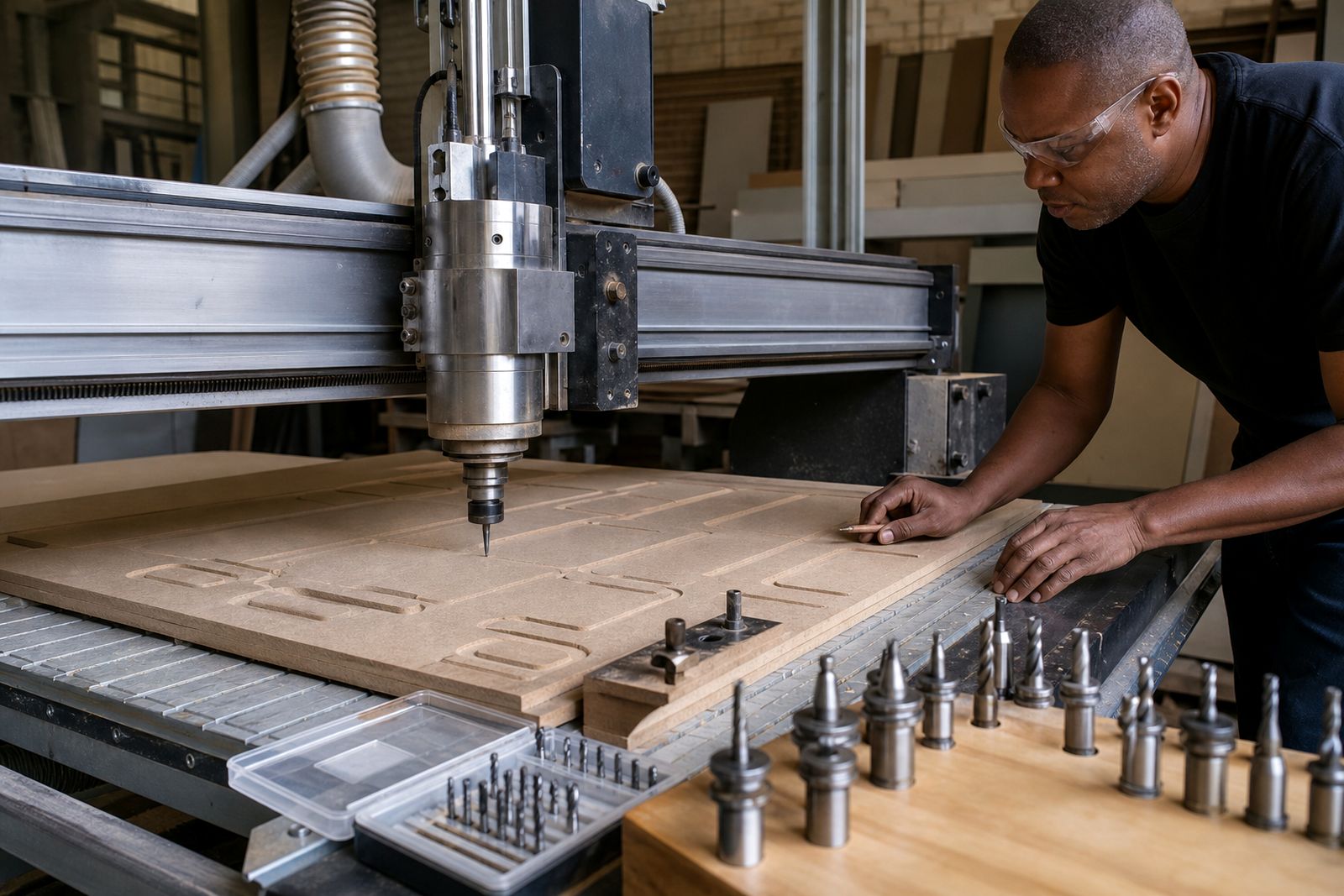
For packaging cell CNC work, our spiral cutters cover the main foam and board profiles you’ll cut, with upcut, downcut and compression spirals from 3 to 12 mm diameter to suit soft foams, stiffer boards and laminate layers. Each kit includes cutters with different flute counts for high-speed and fine-finish passes, and the included tool life cards let you track how many metres each tool has cut so you avoid using a blunt spiral on a critical job. Start with a fresh Holder Collet Kit to ensure your spindle grip is right and runout is minimal, especially for long foam slots where vibration creeps in fast. On most jobs, the routine is: set up the right spiral from the spiral cutters, clamp with a clean holder and collet, note the tool ID and last regrind on the tool life card, and run test cuts to check edges. For bulk cutting, start with roughing spirals, then swap to a sharp finisher for the last pass to get clean edges with minimum fuzz.
- Sign spiral kit: up, down and compression spirals 3 to 12 mm
- Tool Life Cards: track cut metres and regrinds
- Holder Collet Kit: ER collets, nuts and holders for reliable grip
Planning stock, regrinds and a busy week in a packaging cell
Demand in packaging cells peaks around school term starts, festive season and any run-up to big projects or exhibitions. Keep extra spirals and collets on hand for rush jobs, and log every cutter’s use on Tool Life Cards so you always know what’s due for regrinding. Send out for regrinds once a month, and swap in a fresh cutter before each week kicks off. When prepping for tight deadlines, always run a test cut the day before, especially if there’s risk of power cuts or last-minute stock arrivals. If you’re on the Highveld or Durban coast, watch for foam stickiness and resin build-up in humid weeks. For courier runs, arrange them early in the week and keep a backup Holder Collet Kit in the cell, if a collet or nut jams, you can swap it out and keep production moving. For questions or to arrange tool restocks, our Sunnyrock team is always available through our contact form.
What our Cutting Tool customers say
Verified Google reviews
Also worth a look
Tell us about the job you need to cut
Send a note through our contact form with your machine, spindle and collet size, the material and thickness, the finish you need and your area, and we will come back with practical cutter options and a quote.
Open the contact form