

Single flute polish
Finish passes on aluminium without rubbing the shine off.
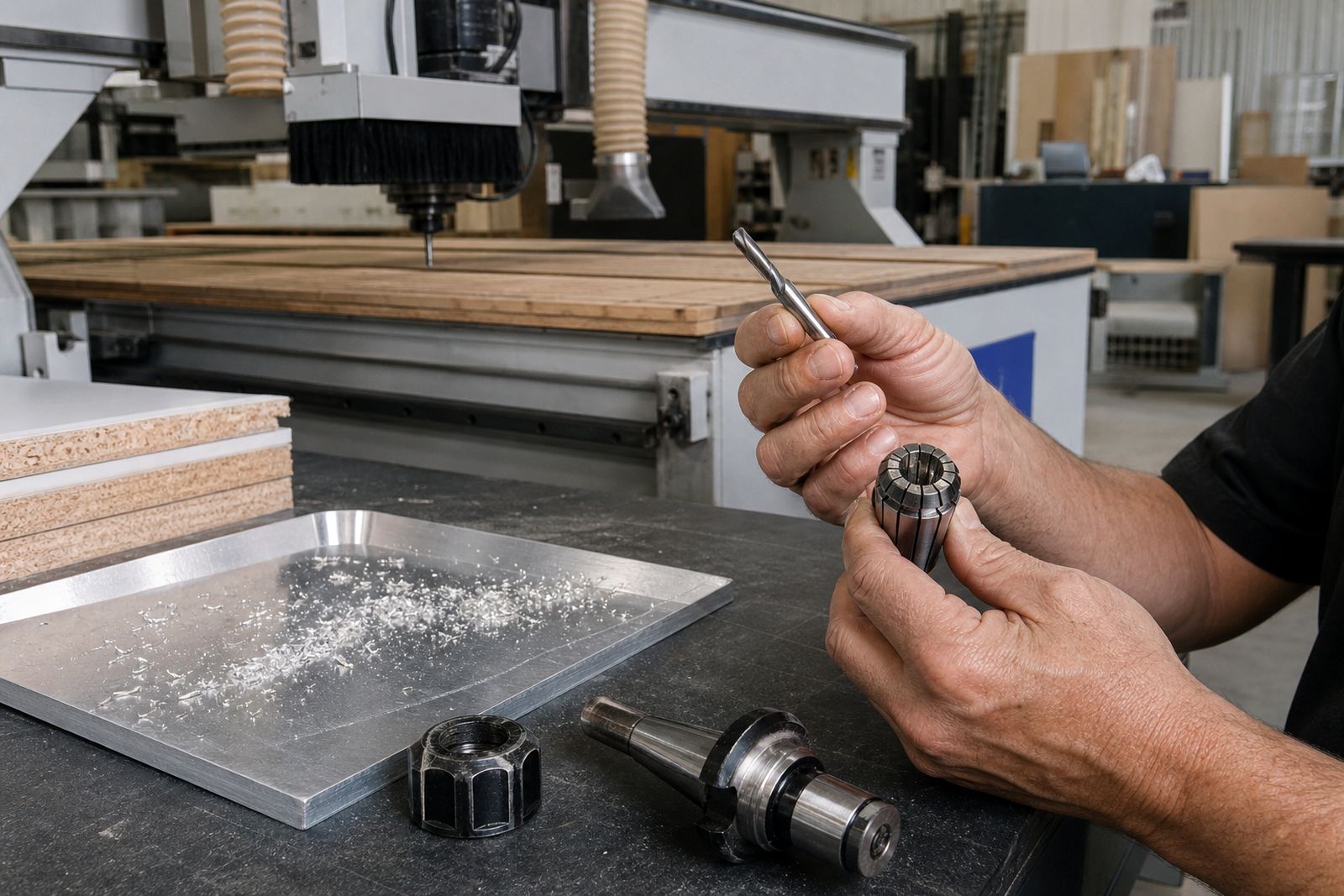
Choose the right single flute
When aluminium jobs call for a mirror finish, especially on CNC routers, I always reach for a single flute polish end mill. These cutters are the go-to for sign-makers and aluminium trim shops chasing that crisp edge and reflective shine. Over the years, I have seen how subtle changes in speeds, feeds and tool handling can make or break the finish.
Not all single flute end mills are equal when it comes to finishing aluminium. For most sheet and plate work, I recommend a 3 to 6 mm diameter single flute polish cutter with a highly polished flute and sharp edge geometry. Look for an uncoated carbide or ZrN-coated mill, as coatings like AlTiN are better suited for steel and can actually increase friction on aluminium.
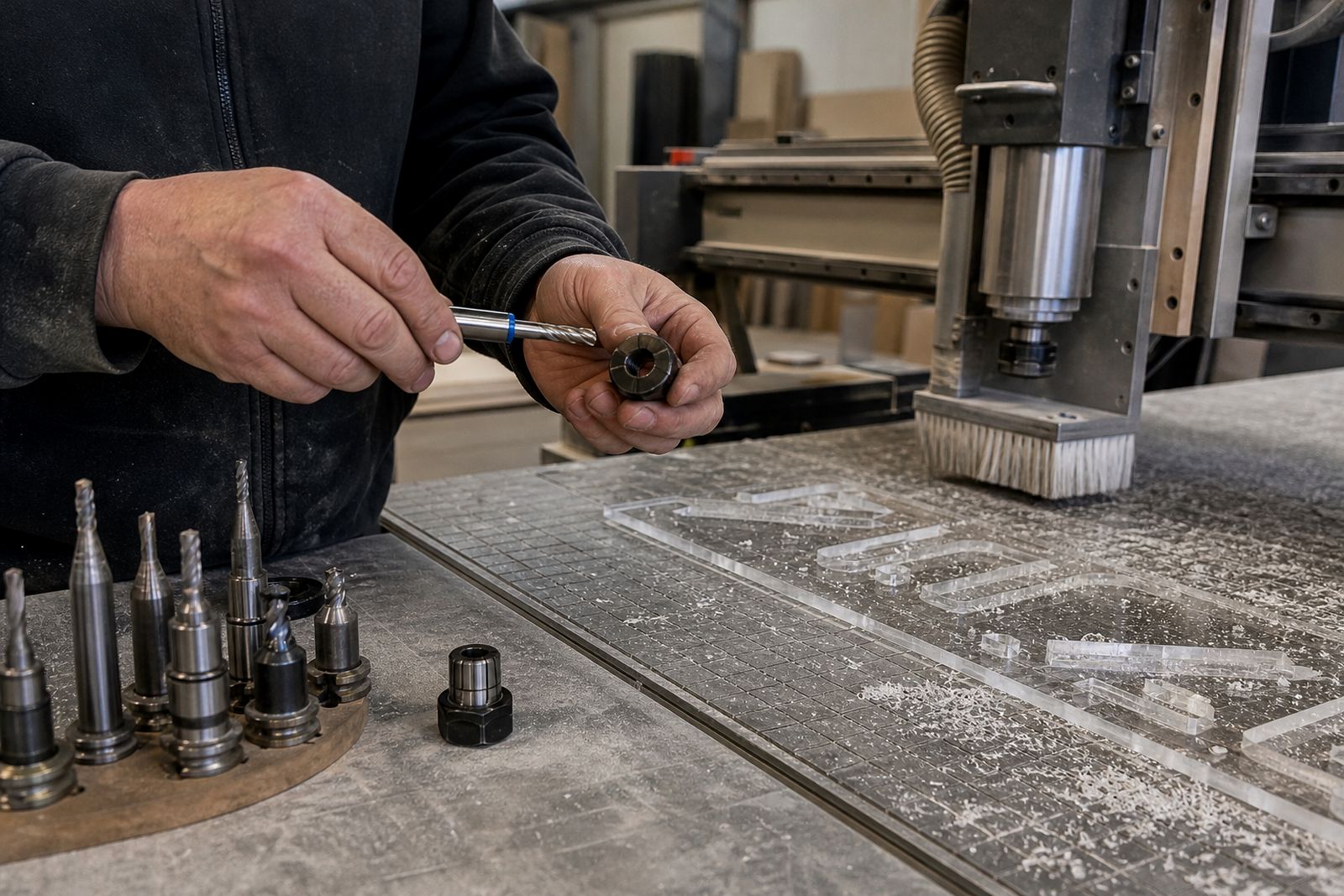
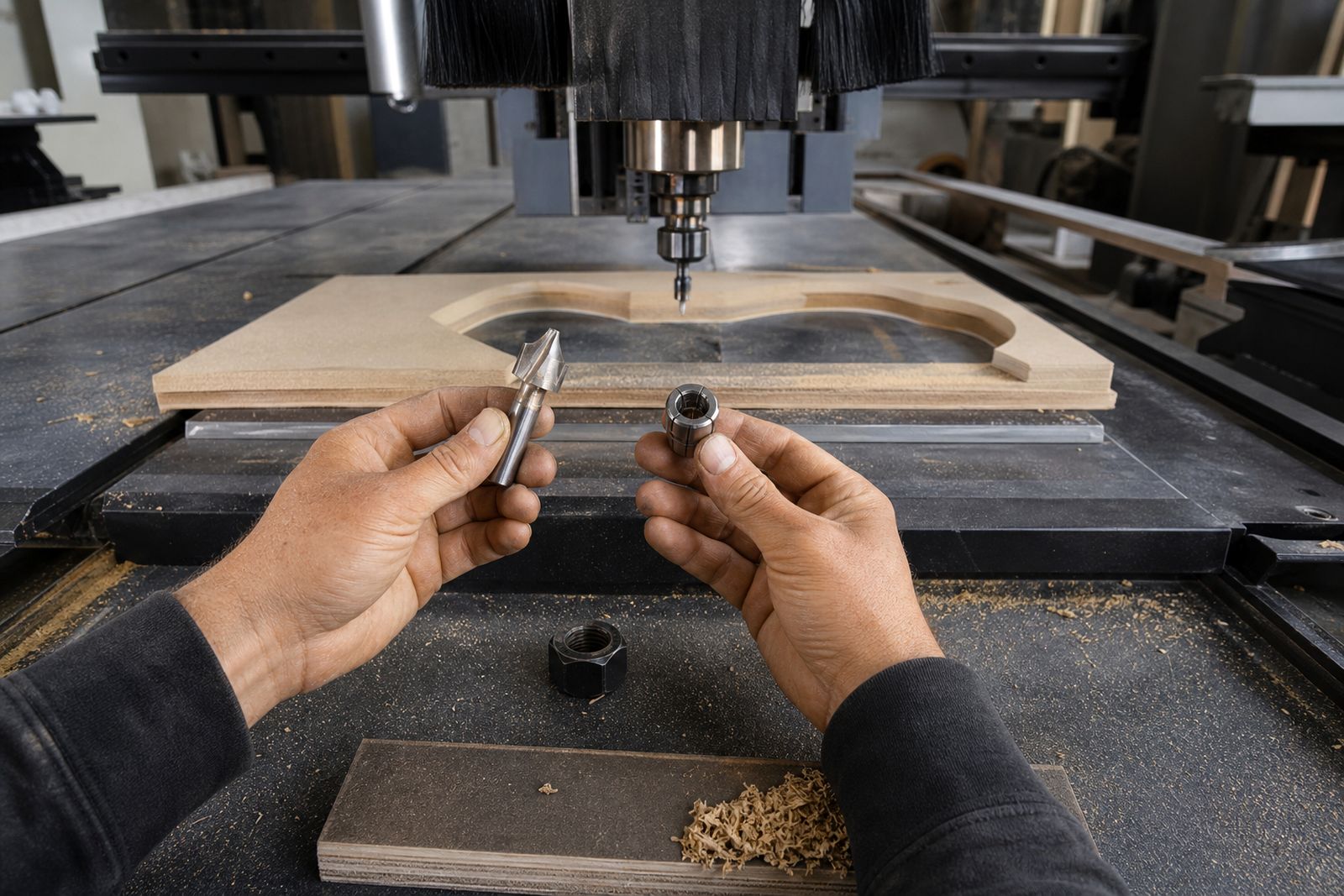
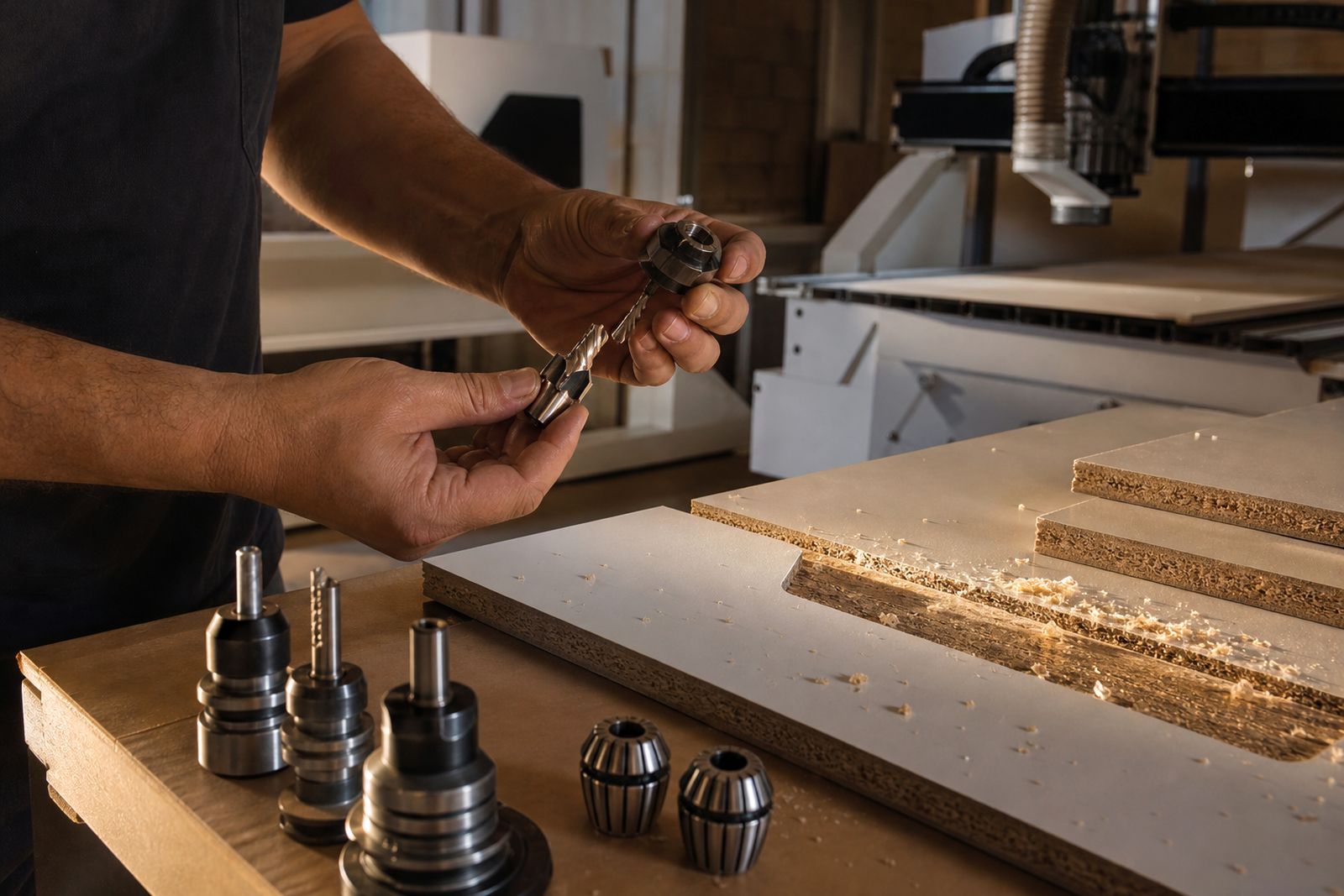
Stick-out matters: keep the cutter as short as possible in the collet, ideally under 25 mm for a 6 mm cutter, to minimise runout and vibration. If you have to use an ER collet chuck, clean out the collet and nut with compressed air before each shift. Even a bit of aluminium dust can cause the cutter to run off-centre, which will kill your surface finish.
Set finishing feeds to prevent rubbing
A common mistake we see in South African sign shops is trying to finish at the same speed as the roughing pass or, worse, slowing down the feed too much. Single flute polish mills are designed to take a proper chip. Set your feed so each tooth removes between 0.08 and 0.15 mm of material per revolution as a starting point. For a 6 mm cutter at 18,000 rpm, that works out to about 1,400 to 2,000 mm per minute. Too slow and the edge rubs, heating the aluminium and dulling the shine.
Use shallow stepdowns for the finish pass, typically 0.2 to 0.4 mm, and keep stepover as low as your finish demands, usually under 0.5 mm. Always cut with climb milling for the last pass. This gives a cleaner edge because the cutter engages clean metal rather than dragging over a work-hardened surface.
Control chips and heat with air blast or mist
Heat kills the shine on aluminium faster than anything else. In Joburg and the Highveld, dry winter air can help with cooling, but in Durban or Cape Town, the humidity leads to gummy chips that stick to the flute. Whether on a full-size CNC or a benchtop router, always use a directed air blast or a fine coolant mist. This keeps chips moving and the flute clear.
Never let chips pack into the cut. If you see chips welding onto the tool or gathering in the slot, stop and clear them. On long runs, pause occasionally to brush the flute and check for resin or aluminium build-up. A resin remover spray can help if you see stubborn deposits.
- Use a compressor or air gun for chip clearing
- Mist coolant for longer cuts or higher humidity
- Check cutter edge for build-up and polish
- Keep the workpiece firmly clamped or vacuumed
Know when to retire or regrind
After your final pass, inspect the edge under good light. A polish mill in top condition leaves a clear, almost mirror-like finish with visible fine tool marks but no haze or grey rubbing. If you see cloudiness or lines, you may have run too slow, allowed heat build-up, or the cutter might be dull.
A dial indicator can help check for runout if your finish suddenly drops off. Sometimes just reseating the collet solves it. If not, it could be time for a regrind or replacement. We arrange local regrinding through local partners by courier, but once the edge geometry is gone or there's chipping, rather retire the tool than risk a rough finish on a client’s job. For any finish troubleshooting, our Sunnyrock team can assist through our contact form.
Related: Aluminium finish mill and Aluminium trim shops. Browse all tools or more edge notes.
What our Cutting Tool customers say
Verified Google reviews
Also worth a look

Tell us about the job you need to cut
Send a note through our contact form with your machine, spindle and collet size, the material and thickness, the finish you need and your area, and we will come back with practical cutter options and a quote.
Open the contact form