

Regrind windows
When regrind still pays, and when you should stop.
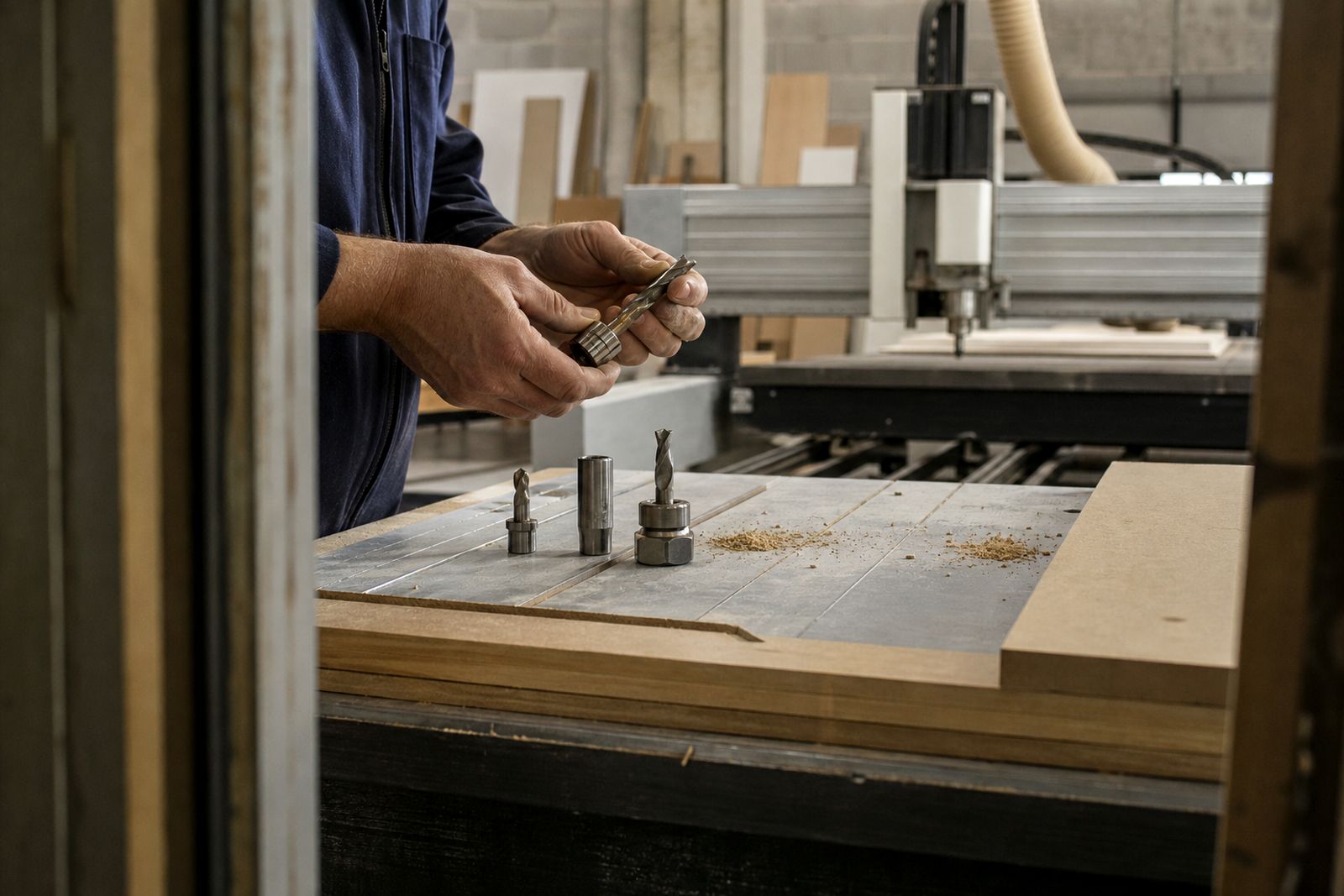
Spot the ideal regrind window
I see a lot of cutters in customer photos that could have seen another round or two on the spindle, but some are well past saving. Regrinding is worth it, but only if you know when to send your carbide for a fresh edge and when to call it a day. Let’s get practical about spotting your regrind window and when it makes sense for your operation.
The best time to regrind a carbide end mill or router bit is before it goes blunt. A worn but undamaged edge is what you are looking for, not chipped, not missing chunks, no nasty blue heat marks. If the flutes are still intact and you’ve lost edge sharpness but not the full geometry, a regrind can bring that tool back to near-new performance.
In practice, this means keeping an eye on the cut finish and monitoring spindle load. If you notice burn marks developing on MDF or chip welding on aluminium, or you need to slow your feed just to keep the surface passable, you’re in the regrind window. If the edge breaks down and you start hearing that distinct 'thunk' at entry, you’ve probably waited too long.
Common mistakes that ruin regrinds
Too many Joburg workshops run their cutters until there’s visible damage, by then, regrind may only waste metal and money. One regular mistake is ignoring chip load per tooth and running at excessive spindle speeds, especially in coastal humidity where resin build-up softens the cutting edge. Another is letting dust cake up inside ER collets, which causes runout and uneven flute wear that a regrind cannot fix.
We’ve seen blunted tools from Durban shops with severe heat tint because vacuum hold-down was poor, so the bit rubbed more than it cut. Irregular chip evacuation, especially in deep pockets on kitchen panels, leads to edge chipping that renders regrind pointless. Clean collets, sensible stepdowns and regular inspection are what keep your carbide in the regrind game.
When to retire a cutter
Not every tool deserves a second life. When the cutting length is less than 10 mm, or the flute has snapped, or you’ve got a burn mark running the length of the spiral, it’s time to bin it. If you spot fractures at the tip under a loupe or the shank is worn from being over-tightened, retire the cutter. We also see tools that have been reground two or three times already, after that, the geometry is often compromised and chip evacuation suffers.
If you’ve switched the cutter to a drastically different material (for example, from ACM to solid acrylic), you may find the edge geometry no longer suits the new job after even one regrind. Don’t force it. Rather start with a fresh tool designed for the material in question.
- Chipped or missing flutes: not worth regrinding
- Excessive heat discolouration: edge integrity gone
- Shank or collet surface damage: retire immediately
- Multiple previous regrinds: geometry likely off-spec
Get more value from regrind partners
A local regrind workshop can return a sharp edge if you send the cutters in good time and keep track with a tool life card. Mark your packaging cut cells with the date and material last cut so you know which bits are due. Most South African grinders can restore a 3 to 12 mm end mill to its original diameter, but overdoing regrinds narrows the flute and alters chip load per tooth, so always check the final diameter with digital callipers.
Before fitting a reground tool, measure runout with a dial indicator. Excess stick-out from repeated regrinds can increase deflection, so keep your ER collet and nut clean and torque to spec. If you’re seeing chatter or a dull finish, don’t blame the regrind shop right away: check for collet wear or a bent holder first. When you get the edge right, a reground bit can deliver hours of good cutting on MDF or sheet aluminium before it’s finally time for retirement.
If you want to discuss regrind windows for your specific cutters or organise a batch with our local partners, send a photo and short note through our contact form and we’ll help you plan your next round.
Related: Tool Life Cards and Packaging cut cells. Browse all tools or more edge notes.
What our Cutting Tool customers say
Verified Google reviews
Also worth a look

Tell us about the job you need to cut
Send a note through our contact form with your machine, spindle and collet size, the material and thickness, the finish you need and your area, and we will come back with practical cutter options and a quote.
Open the contact form