

Highveld dust edges
Dust and coating habits for inland aluminium work.
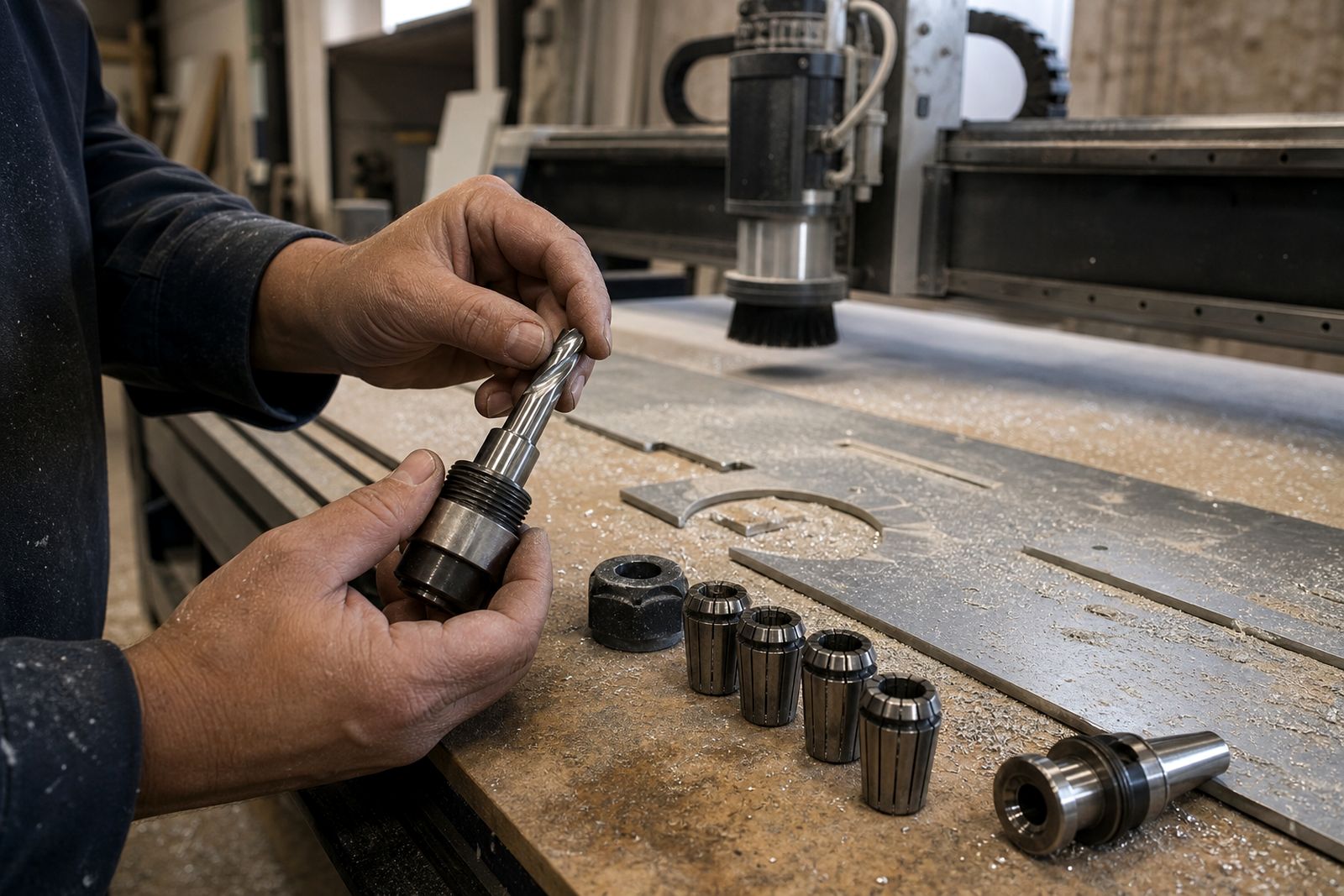
Dust control in highveld workshops
If you have spent any time machining aluminium in the Highveld, you will know the dust gets everywhere. It does not take long for a fine layer to settle on your spindle, toolholders and even your workpiece edges, especially during winter when the air is at its driest. I have seen more than a few projects trip up on simple dust habits, so here are my observations and hard-won tips for keeping your aluminium edges sharp and your finish consistent inland.
Aluminium swarf and Highveld dust mix to form a powder that loves to cling to moving parts and coat the inside of your CNC enclosure. What most people miss is that this dust actually works its way onto tool shanks and into collets, interfering with runout and grip. I always tell customers to wipe the tool shank and collet with a clean, dry cloth before every change. After a long cut, especially prototypes or long series runs, compressed air (regulate it below 6 bar) helps, but always with eye protection and never directed at the spindle bearings.
A sticky residue can build up if you are cutting coated or anodised stock, so check your toolholders and spindle tapers every week. For those running vacuum hold-down tables, keep an eye on filters and the spoilboard edges. Fine dust build-up here leads to poor suction and can cause the workpiece to lift, especially when humidity drops and static gets involved.
Why coatings matter for inland aluminium
Uncoated carbide works well for most soft aluminium, but as the ambient dust content goes up, edge build-up on the cutter gets worse, especially in dry Gauteng winters. We have found that AlTiN or similar coatings, which are usually for steel, can actually extend tool life between cleans, because they shed dust and aluminium better than bare carbide. They also resist the resin layer that sometimes forms after repeated passes in dusty shops.
If you do not have coated mills, minimise heat with a steady air blast (not mist, as it just makes mud with the dust) and adjust your feeds to keep chip load up, typically 0.025 to 0.08 mm per tooth for 3 to 12 mm tools. Too light on the feed and you rub, not cut, making dust stickier. Always check the coating manufacturer's notes if you experiment, as not all coatings suit all grades of aluminium.
Repeatable edge quality needs tool care
We regularly see Highveld shops with patchy finish on prototype and short-run parts, especially when using older or re-ground bits. Usually, the culprit is a combination of micro-dust in the collet and subtle runout. If your finished edge appears cloudy or has tiny chatter marks, check your runout with a dial indicator at the tool tip, aiming for under 0.02 mm. Clean the collet and nut weekly, or more often if you swap tools a lot.
Regrind is a solid option for extending tool life, but only if the geometry is correct and you are not seeing edge rounding or excessive runout after regrind. We recommend retiring a cutter if it starts to leave a visible burr or struggles with chip evacuation, even after cleaning. Toolholders deserve a wipe-down every day, and never leave a collet clamped empty in the spindle overnight, especially in Joburg's dry winter air.
Sharp edge checklist for dusty shops
Years of dusty CNC weeks have shown us a few habits that really work. Try these in your Highveld aluminium routine:
- Use a new or freshly cleaned collet every Monday and after power cuts.
- Wipe tool shanks and holders before every change, not just once a day.
- Dial in runout and check at least weekly with a 0.01 mm indicator.
- Monitor chip load and increase feed slightly if dust builds up.
- Clean vacuum filters and spoilboard edges every week, more in dry spells.
- If using coated tools, keep an eye out for wear spots that collect dust.
Related: Aluminium finish mill and Prototype cells. Browse all tools or more edge notes.
What our Cutting Tool customers say
Verified Google reviews
Also worth a look

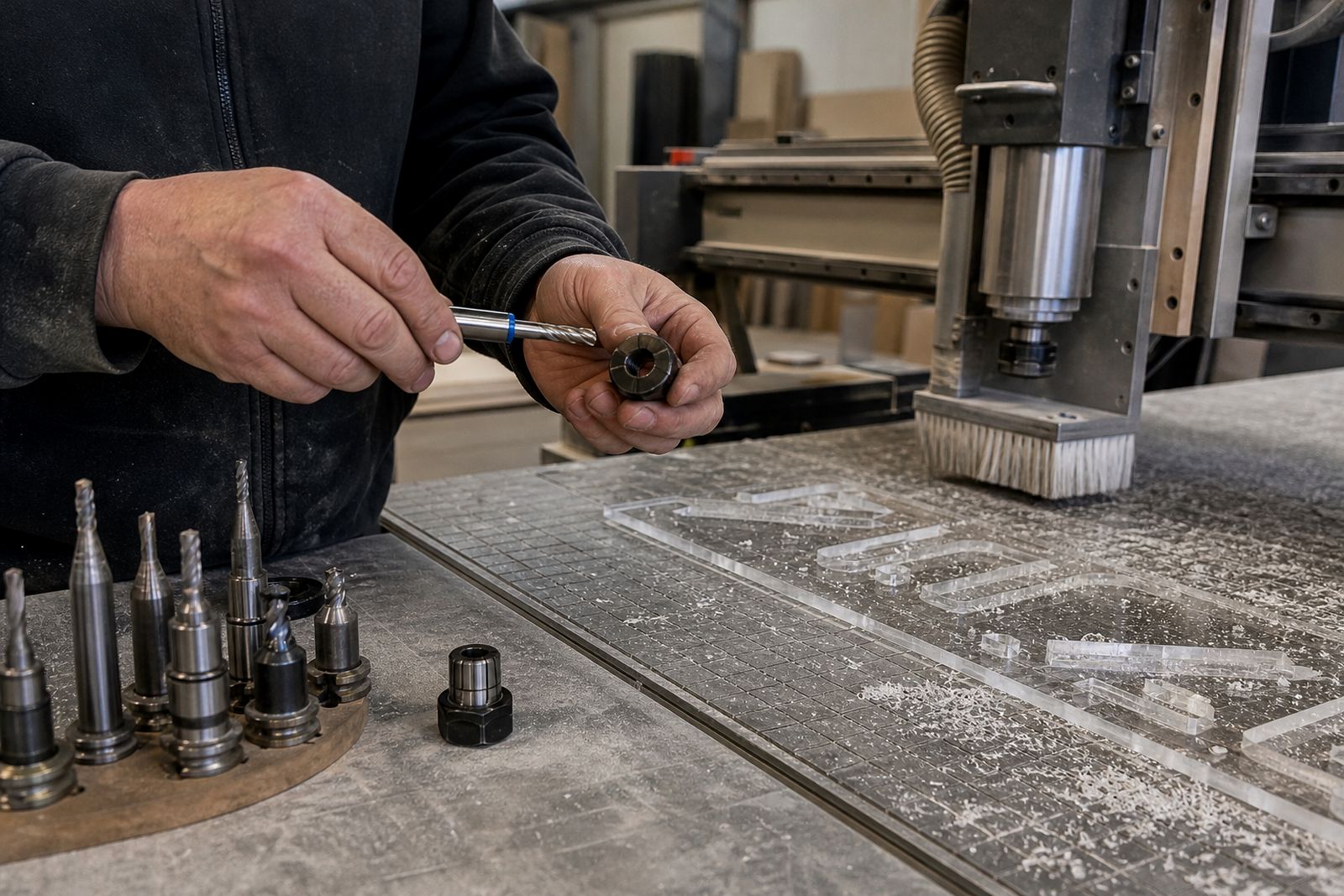
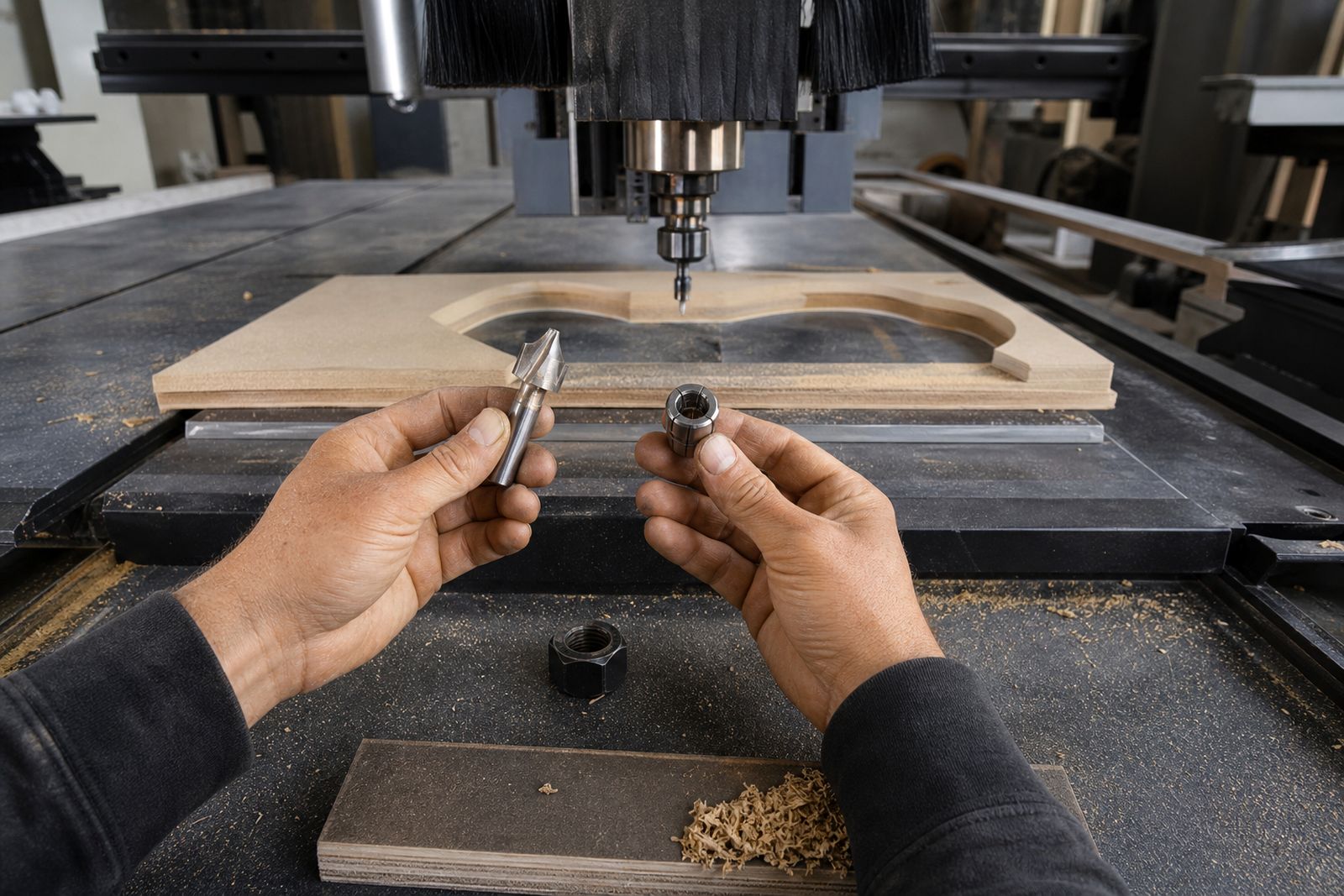
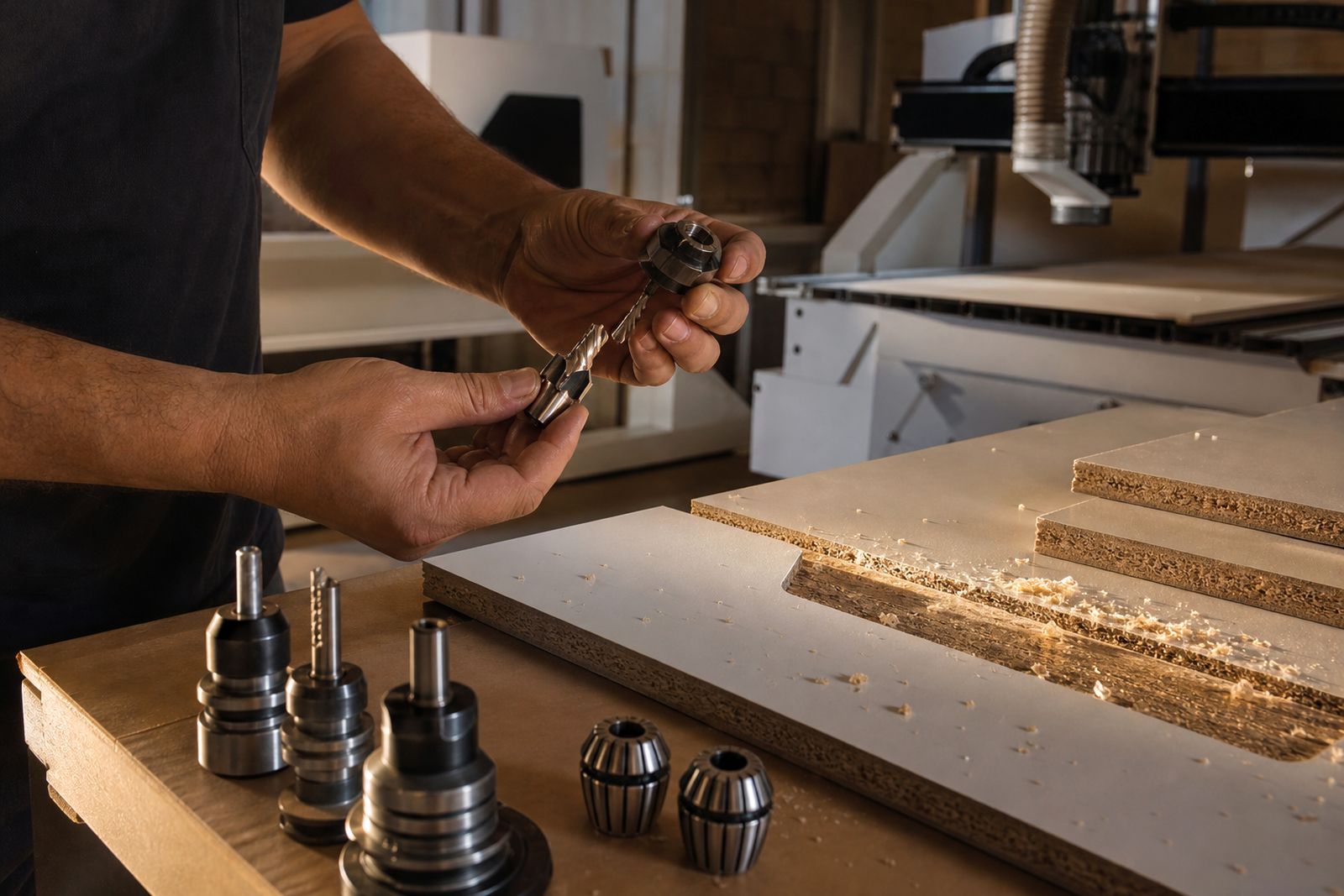
Tell us about the job you need to cut
Send a note through our contact form with your machine, spindle and collet size, the material and thickness, the finish you need and your area, and we will come back with practical cutter options and a quote.
Open the contact form