

Coastal humidity bits
Storage and coating notes for Durban and Cape shops.
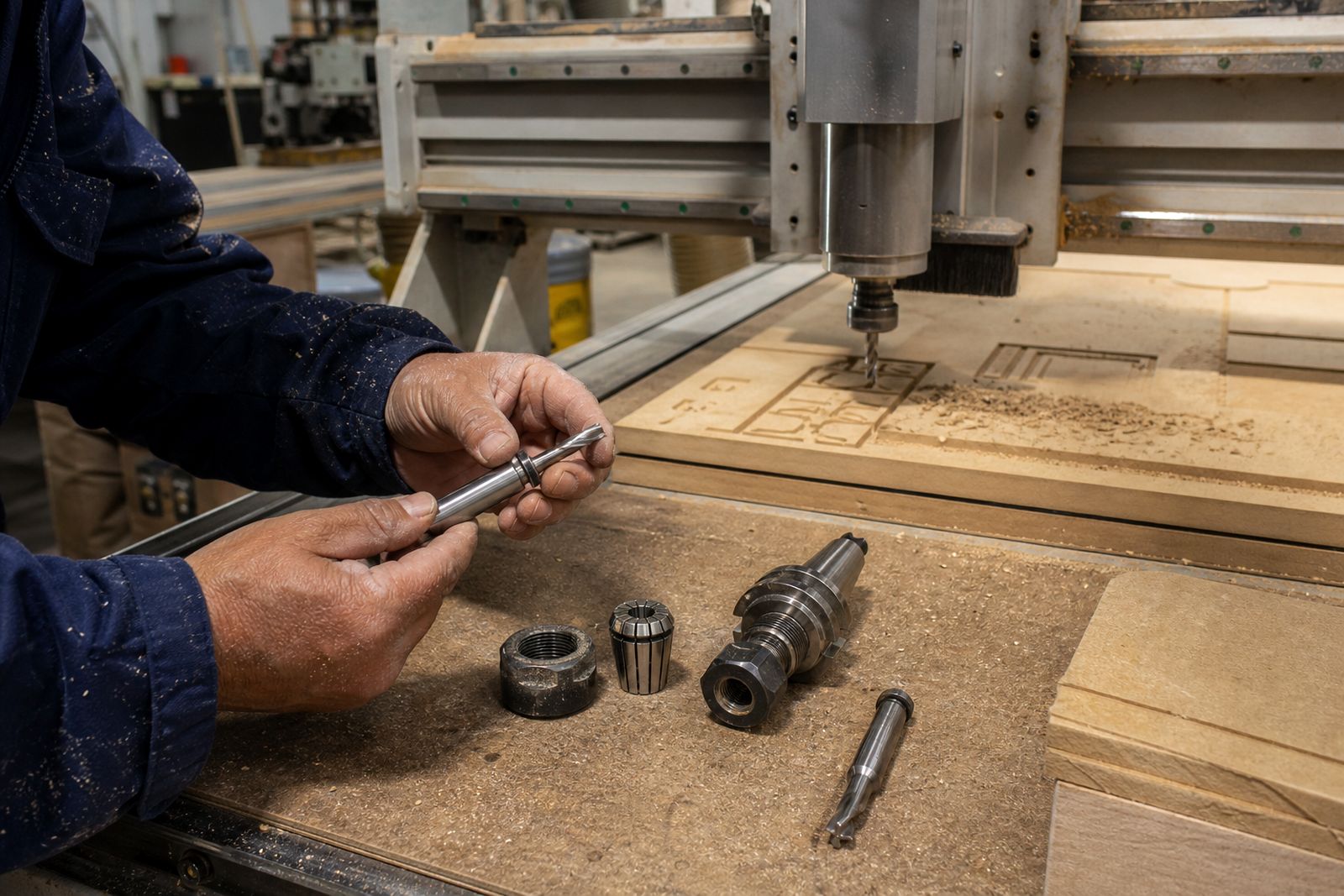
Recognising coastal corrosion and early warning signs
Working with CNC routers near the coast, I have seen how quickly humidity creeps into everything, especially the tool storage and bits you rely on for signmaking. Whether you’re in Durban with year-round damp or facing a chilly, foggy Cape winter, the way you store and handle your carbide and steel tooling makes a real difference to cutter life and edge quality. Here’s what’s worked for sign shop customers and what to watch out for.
Humidity in Durban and the Cape can hit your tooling fast, rust blooms overnight, even if you think the shop is sealed. This is most obvious on HSS and steel tools, especially straight bits, slotters and collets. On carbide spiral bits for signs, you often spot a light orange haze on the shank or collet area before you see it on the cutting edges. Ignore this and you can end up with pitting that chips the edges on your next run, especially with fine upcut spirals.
One common slip-up is leaving bits in the spindle or a metal rack right by a roller-shutter door. Condensation from cool, damp air gets into collet bores and collects in the smallest scratches. If you notice sticky movement or dark spots on the inside of your ER collets, it’s time to check your storage and up your cleaning routine.
Storage strategies for humid shops
Keep tools boxed in their original tubes when not in use. If you use a tool wall, line the pockets or holders with a foam strip or dry felt to avoid metal-on-metal contact, this cuts down on condensation settling. We have seen some shops in Durban and Gqeberha tape silica gel packets inside their tool drawers or small storage bins, swapping them out every few weeks when they go pale.
Never keep carbide spirals, V-bits or slot cutters over an open water bucket or near the doors, especially in winter. If you run a big sign shop, consider a small dehumidifier in your tool room. For smaller setups, a basic airtight plastic storage crate with a few fresh desiccant packs offers a massive improvement compared to open shelving. Make sure the storage area is not right against an outside wall that sweats in the early morning.
- Store bits in closed tubes or plastic crates
- Change silica gel packs as soon as they lose colour
- Keep storage away from outside walls and doors
- Wipe tools down before storage to remove residue
Choosing coatings and finishes for coastal conditions
For most sign plastics, an uncoated carbide spiral does just fine, but we recommend AlTiN or TiAlN-coated end mills for those who also cut a lot of 3 mm to 12 mm aluminium or tricky composites. These coatings offer extra resistance to both corrosion and resin build-up, and they help keep edges sharp longer when humidity is high. Uncoated HSS straight bits, on the other hand, are far more susceptible to rust if you don’t keep up the storage routine.
If you mainly cut PVC, ACM or acrylic, standard polished carbide is less likely to pit, but you should still check for any surface haze. For outdoor timber signage, make sure to dry and oil steel router bits before storage, or swap to carbide where possible. Remember, even the best coating won’t save a bit that’s left dirty or wet overnight.
Maintenance and mistakes we see in coastal sign shops
The biggest mistake is skipping the wipe-down at the end of a shift, especially after a long run in a humid shop. Sawdust or plastic swarf holds moisture against the flutes, speeding up corrosion. Use a soft rag and isopropyl alcohol, not water, to clean resin and dust off all cutting edges and shanks. Leave the collet and nut out to dry before sealing them in a storage box.
Some shops use a quick blast of compressor air, but if the air line collects moisture, you might be spreading fine droplets across your tooling. If you’ve had a power cut and the extractor or air dryer was down, let everything cool and dry before re-packing tools. Every couple of months, check your ER collets for signs of surface rust with a magnifier or a quick swipe inside with a cotton swab.
If you see a persistent haze or fine pits developing on your bits, it’s usually time for a regrind or to retire the cutter, especially if you start seeing fuzzy edges on sign-grade PVC or acrylic. Chat to our local partners about regrinding, or use our contact form for advice.
Related: Sign spiral kit and Outdoor sign shops. Browse all tools or more edge notes.
What our Cutting Tool customers say
Verified Google reviews
Also worth a look

Tell us about the job you need to cut
Send a note through our contact form with your machine, spindle and collet size, the material and thickness, the finish you need and your area, and we will come back with practical cutter options and a quote.
Open the contact form