

Taper ball nose service
Check wear at the tip and flute, and arrange regrind through our contact form.
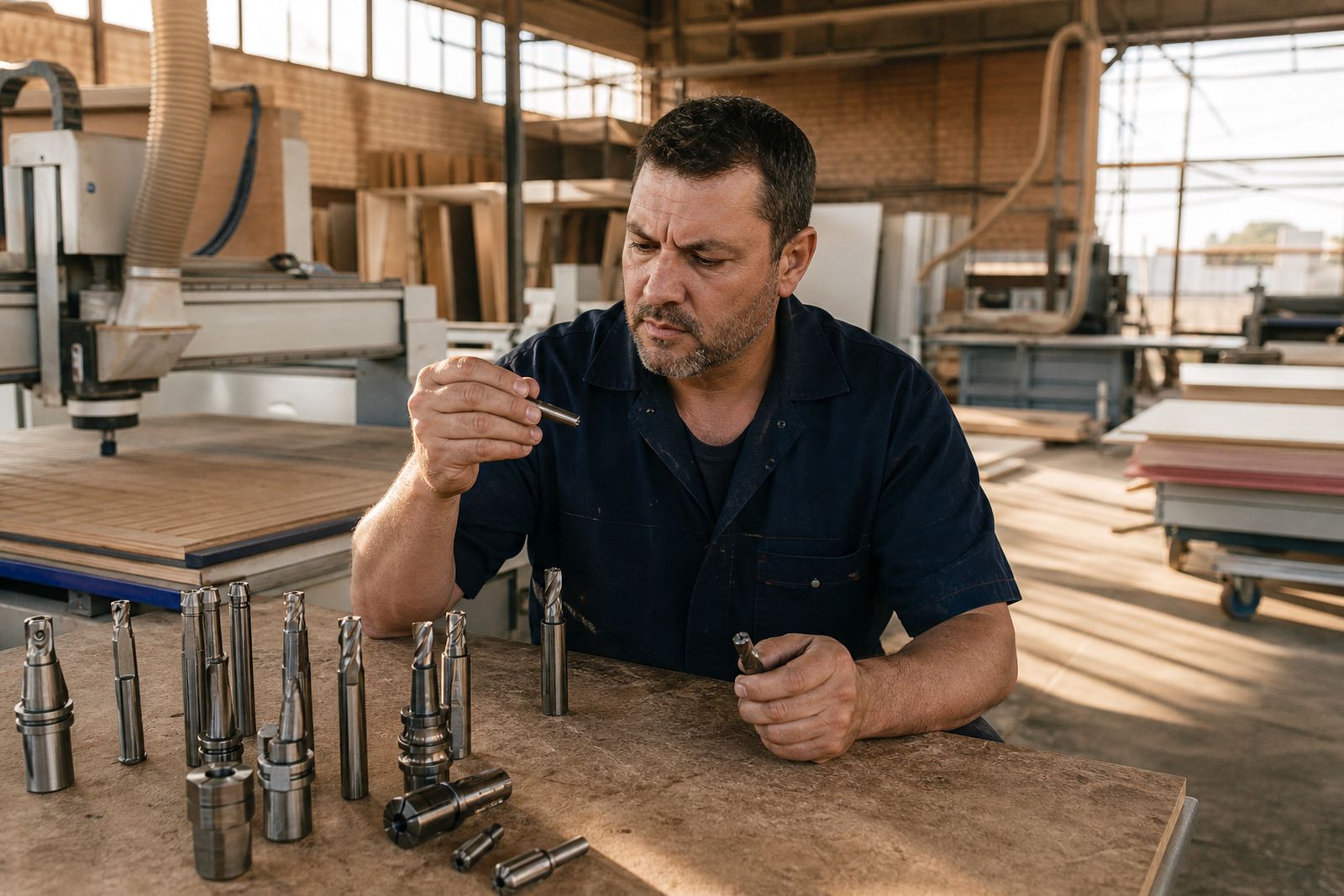
Wear signs and when to swap
Log the hours for each cutter on a tool life log. For regrinds, replacements and warranty questions, use our contact form.
Look for shiny flats or chips on the ball tip, or streaks along the flute. Worn cutters leave rough, wavy finishes and take more power to cut the same profile. If your relief details start to fuzz or burn, or you notice smoke where there was none before, it’s time for a clean or a swap. In some cases, a chipped tip leaves a tell-tale groove no matter your feed. Don’t run a blunt or chipped cutter, especially if you’re working on client panels.
Occasionally, wear only shows up on the back of the flute, not the tip. If you see ‘ghosting’ or shadow lines on your finished relief, check with a magnifier. A quick test cut on scrap can confirm.
- Shiny flats or chips at the tip
- Rough finish or burning marks
- Grooves or shadow lines appear
Cleaning, storage and when to regrind
After each job, blow dust off the flutes and shank with airline or a soft brush. Don’t dip carbide in caustics, just use standard tool cleaner for resin build-up. Store in a dry, foam-lined box, away from humidity or metal scrap. For jobs on the coast, keep silica gel packets in your storage drawers if possible. If the tool still cuts well but the tip is dulled, regrind is an option, just don’t wait until the edge is chipped away.
Retire a cutter if you spot deep nicks, lost length or the shank is bent. It’s safer to bin one than risk tearing a relief panel or damaging your spindle bearings.
- Clean with brush and gentle cleaner
- Store dry and cushioned
- Regrind before tip chips badly
How to arrange a regrind or replacement
Just use our contact form with a few clear photos of the tip and flute, a record of hours run (even an estimate is fine), and the main material you’ve cut. Mention your spindle and collet size if you know it. Our team will confirm if the cutter is suitable for regrind, or if a replacement is safer. In most cases, we’ll match your request to the lead time needed for the next run. Keep your old stepover card for the new cutter if it’s still in good shape.
If you’re not sure what failed, a busy afternoon can make anyone forget, send a photo of your last cut. We’ll help work out whether it’s setup, feeds or just end-of-life for the tool.
- Send photos of tip and flute
- List hours run and main material
- Include spindle and collet info
What our Cutting Tool customers say
Verified Google reviews
Tell us about the job you need to cut
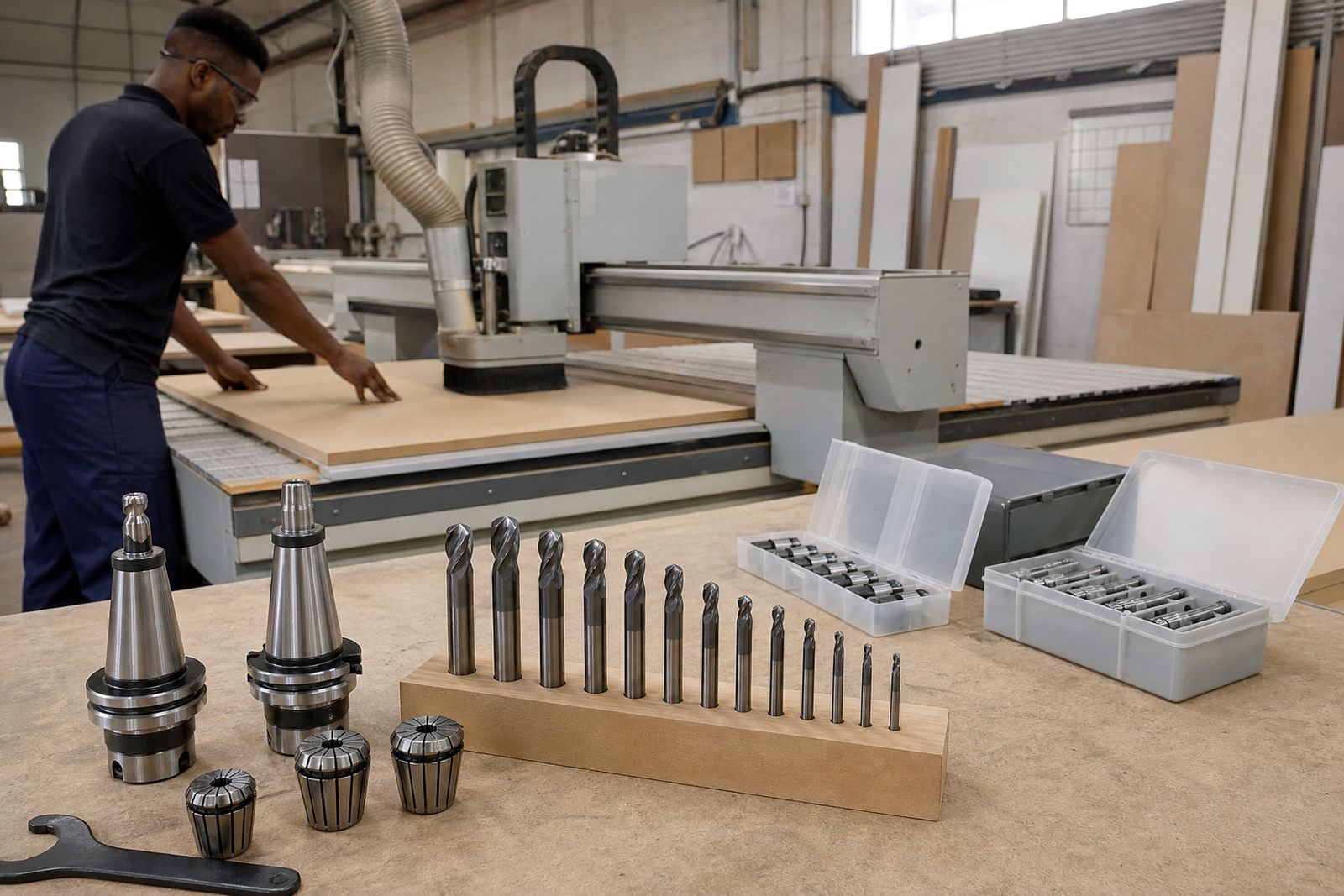
Send a note through our contact form with your machine, spindle and collet size, the material and thickness, the finish you need and your area, and we will come back with practical cutter options and a quote.
Open the contact form