

Carbide slot set specs
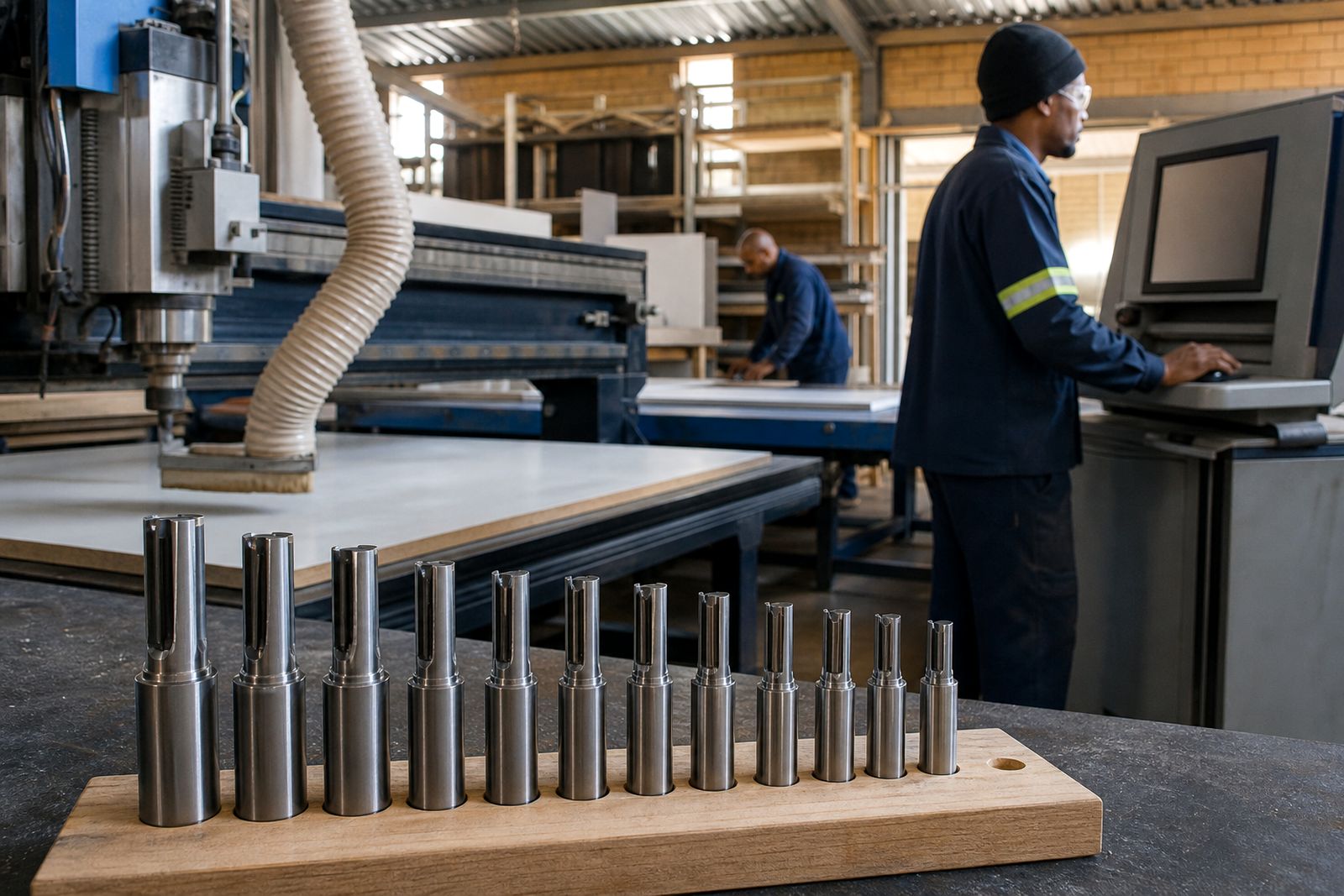
Each cutter in the carbide slot set matches a precise metric slot width, set up for plate and extrusion work.
How to read the slot set specs
| Widths | 3 to 12 mm |
|---|---|
| Depth cues | Printed card |
| Material | Micrograin carbide |
| Holders | ER20 preferred |
| Ideal for | Fixtures, extrusions |
| Lead time |
Carbide slot set suits fixtures, extrusions. Tell us your spindle, collet size and material and we will confirm the size.
Each width in the carbide slot set refers to the finished slot size the cutter leaves, not just the diameter. This matters most when you’re matching to metric slot or keyway calls on a fixture plan or extrusion profile. Because the cutters are made from micrograin carbide, they hold a true size longer and resist chipping on interrupted cuts.
The printed card includes depth cues for common fixture plate gauges, so you avoid breaking through on a through-slot or undershooting a key seat. ER20 is the preferred holder since it covers the slot width range and gives better runout control compared to smaller collet sizes. If you’re slotting in a gantry CNC, check your Z clearance and collet nut size before starting, a 12 mm slot cutter will need more space than a 3 mm.
Starting feeds and speeds for slotting
For aluminium plate or extrusion: start at 18 000 to 22 000 RPM, 0.02 to 0.06 mm chip load per tooth, and 300 to 800 mm/min feed depending on slot width. Always check that chips are clearing and that the spindle can hold torque without stalling. Adjust your feed and depth per pass on test cuts, as humidity and local power supply can shift optimal rates. For deep slots, consider multiple passes to reduce side load.
- Aluminium: 18k to 22k RPM, 300 to 800 mm/min feed
- MDF/ply: 16k to 20k RPM, up to 1 200 mm/min feed
Check spindle, holder and stick-out first
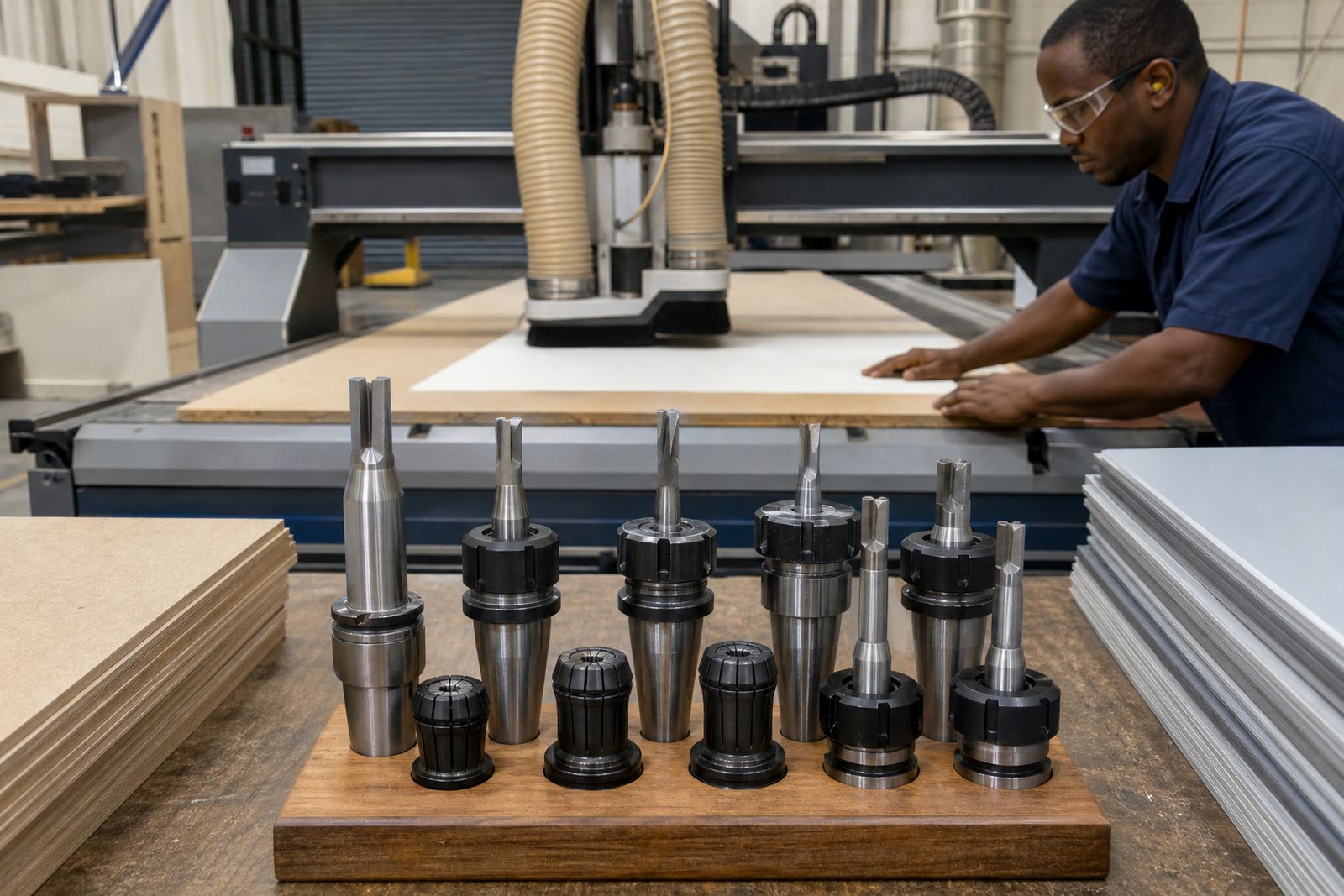
Before choosing your Slot Set, check that your spindle collet is ER20 or larger for the full width range. A dial indicator can confirm runout, look for less than 0.02 mm for tight slots. Stick-out should be just enough for the depth required: too much invites chatter, too little risks collet nut collision on wide plate. Clean the collet and nut before every install by your own team, and torque to spec for your holder. If in doubt, measure your machine’s Z height and table clearance with your largest planned cutter installed.
What our Cutting Tool customers say
Verified Google reviews
Tell us about the job you need to cut
Send a note through our contact form with your machine, spindle and collet size, the material and thickness, the finish you need and your area, and we will come back with practical cutter options and a quote.
Open the contact form