

Softwood upcut pack service
Send photos and details of hours run for regrind or replacement support.
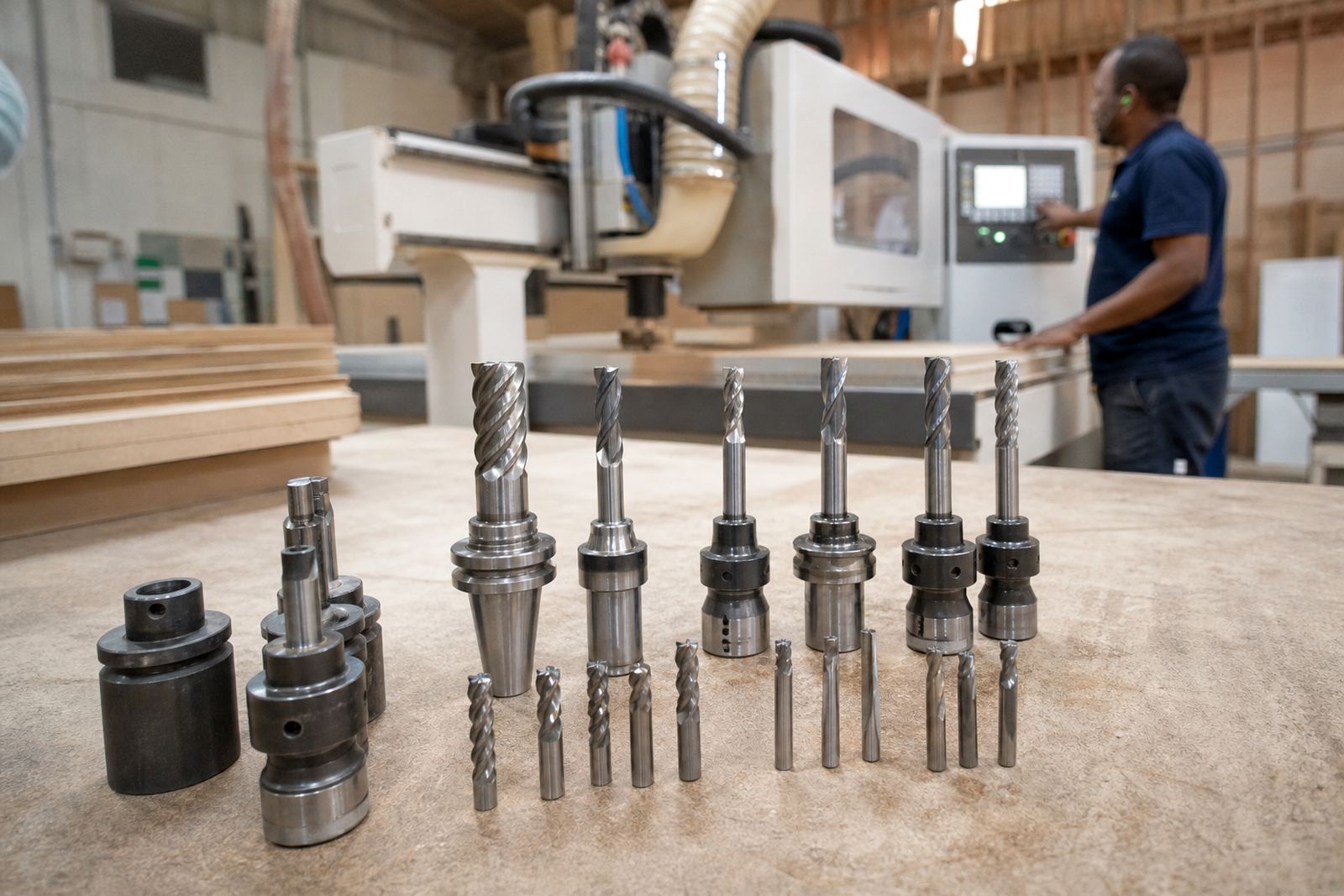
Wear signs in softwood joinery
Log the hours for each cutter on a tool life log. For regrinds, replacements and warranty questions, use our support page.
Dull spirals leave fuzzy edges and may push pine fibres down instead of slicing them. You’ll see burn marks on the cut, especially if resin has begun to build up. On meranti you might spot chatter lines or a glazed finish. Excess heat is the enemy of carbide, if your edge loses its silver shine or shows micro-chipping under a loupe, it’s time to check for regrind or replacement.
Cleaning, storage and regrind advice
Remove resin after each session using a cutter-safe solvent and a nylon brush. Store upcut spirals in their tubes or a rack, never loose in a drawer. Run a quick visual check for chips or bent shanks before each job. Sharpen or regrind if you see glazing or lose cutting speed, but retire any bit with a bent shank or big nick in the carbide. Keep a tool life card on hand to log hours and jobs.
Arrange regrind or replacement with Sunnyrock
If you need a regrind or replacement, use our contact form with clear photos of the spiral and a short note of hours run, materials cut, and any unusual issues. Include the cutter size and describe your spindle and workholding setup. Our team will advise if a regrind is worthwhile or recommend a swap. Don’t forget to include your nearest branch for courier.
What this spiral suits
Use softwood upcut spirals when you need a clean entry and reliable chip removal in pine panels and other softwood jobs. In South African workshops they are commonly chosen for routing, profiling, slots and pocketing where the operator wants the cutter to lift waste away from the cut rather than pack it back into the groove.
They can also suit workshop work in MDF, plywood, melamine, acrylic, PVC foam and aluminium when the machine, tooling and feed setup are matched correctly. For sign shops, joinery floors, kitchen makers and school or college training shops, the key is to pair the cutter with the right spindle, hold-down and extraction so the cut stays consistent.
Before you order
- Check shank size against the collet, nut and holder you already run.
- Match cutting length to the board thickness and the job, so the flute can clear the material properly.
- Confirm flute count for the material and finish you need, especially on softwood and laminated board.
- Make sure spindle speed, feed and chip load are suited to the cutter and the machine setup.
- Use solid hold-down and good extraction, especially on pine, MDF and dusty workshop jobs.
If you are unsure, send the cutter size, material, spindle setup and a few clear photos through the contact form for written tooling advice.
Care for shop floor use
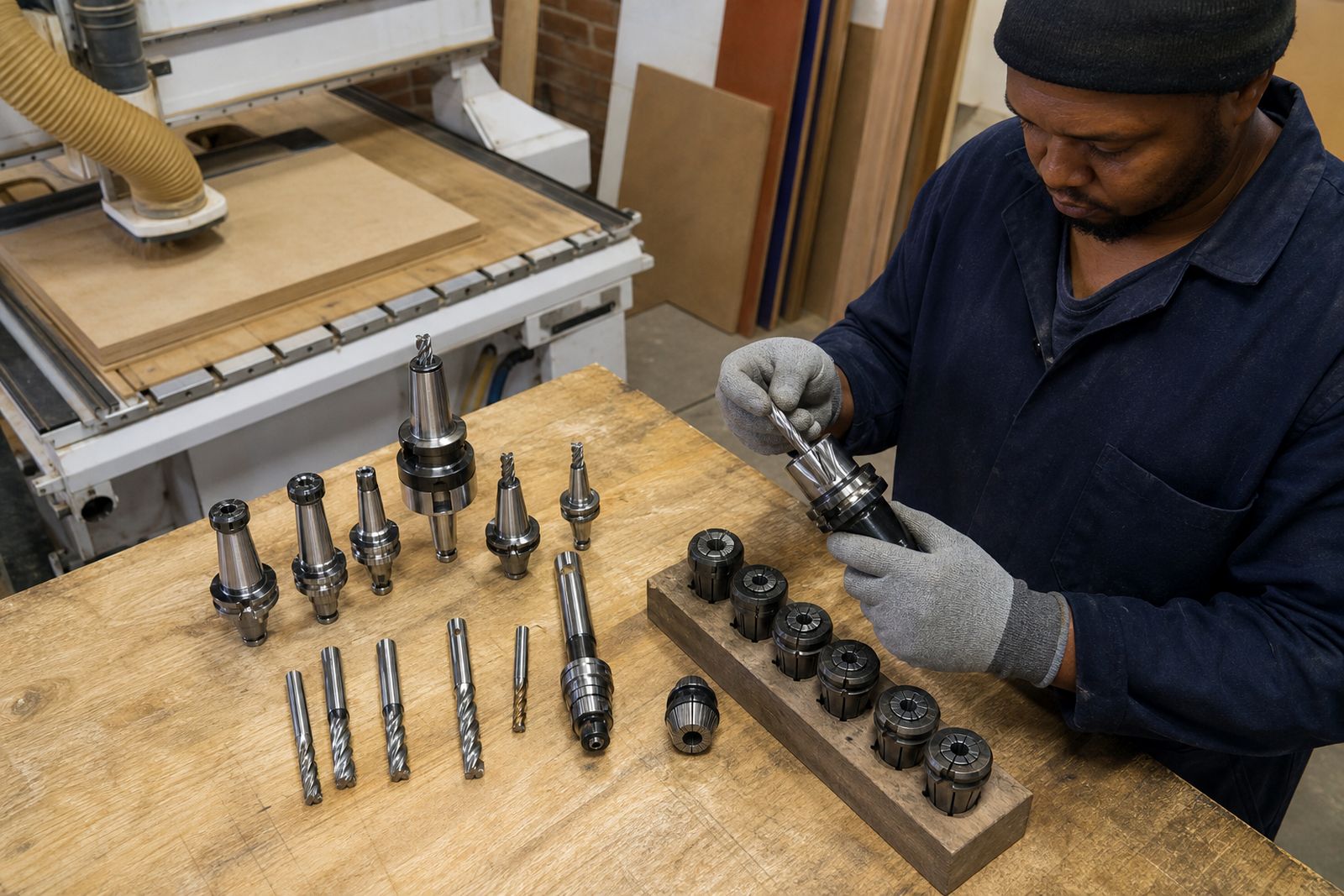
The customer’s own operator should inspect the cutter before use, fit it correctly, and keep an eye on heat, resin build-up and any signs of runout or chatter during the job. Keep the shank, collet and holder clean, and remove softwood resin with a cutter-safe cleaner and a soft brush.
Store spiral cutters in their tubes or a rack, not loose in a drawer. If a cutter starts leaving fuzzy edges, burning, or visible chip marks, log the hours and job details on a printable feed or tool-life card and send photos for regrind or replacement support through the contact form.
What our Cutting Tool customers say
Verified Google reviews

Tell us about the job you need to cut
Send a note through our contact form with your machine, spindle and collet size, the material and thickness, the finish you need and your area, and we will come back with practical cutter options and a quote.
Open the contact form