

Edge Pro endmills specs
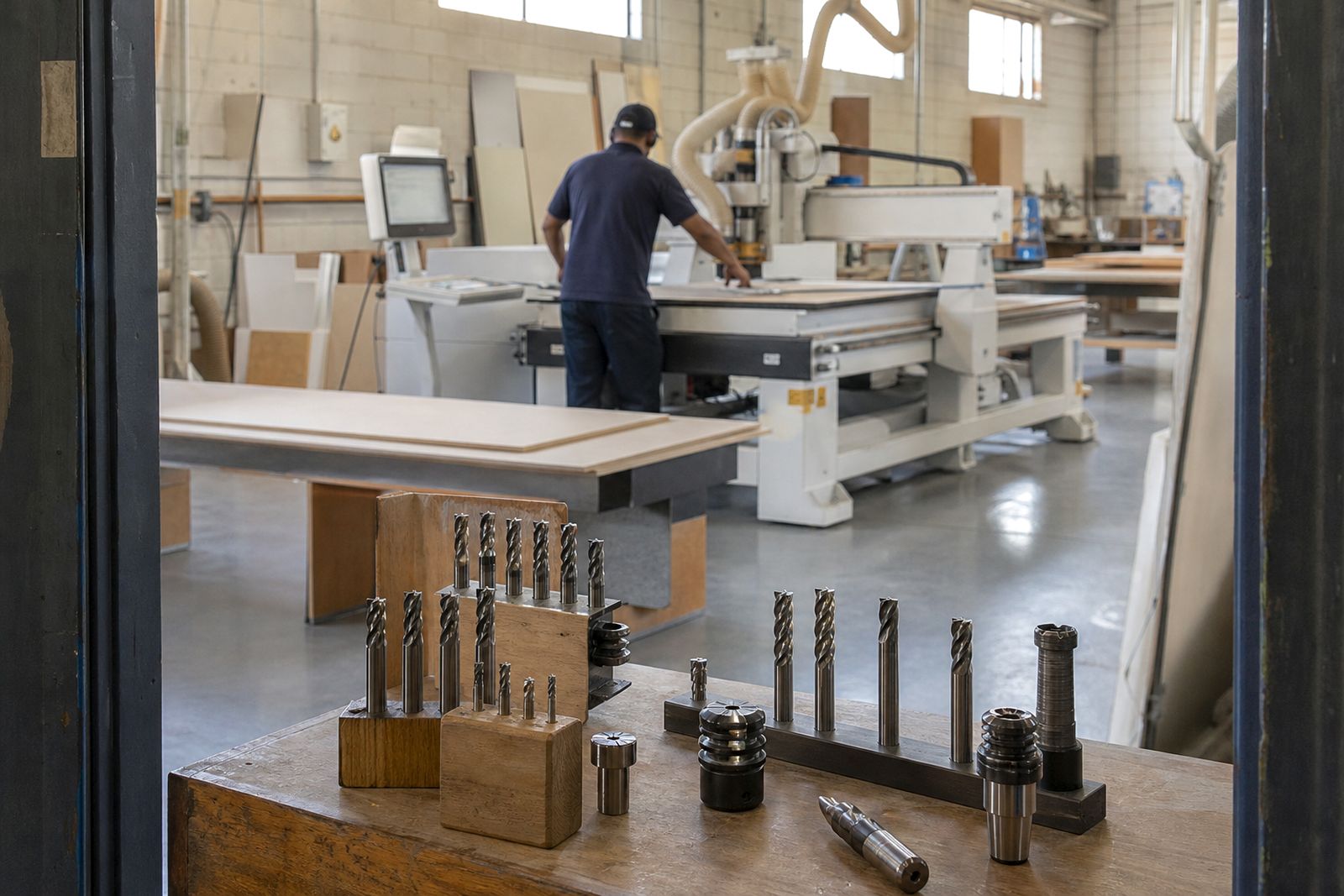
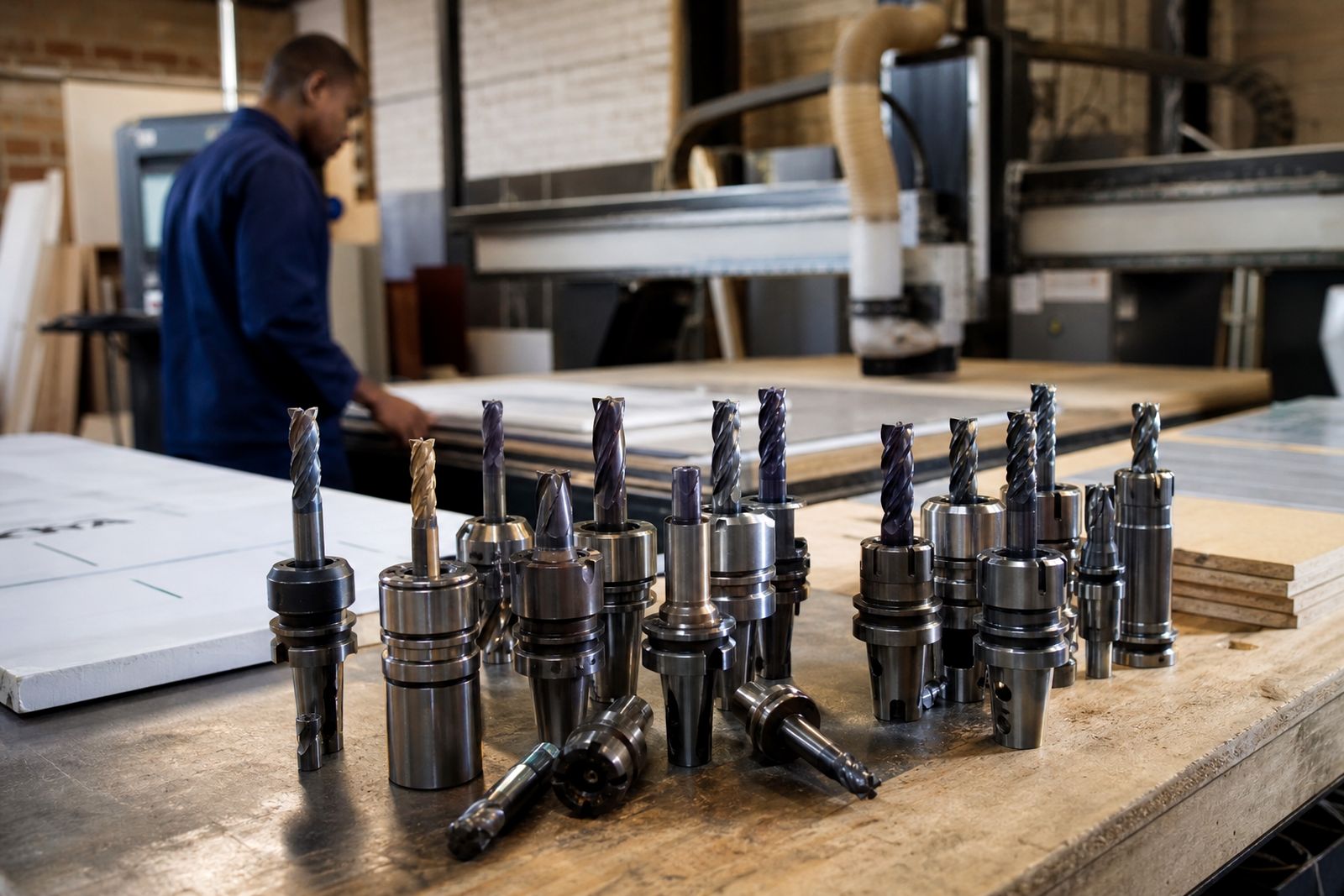
Edge Pro endmills offer metric shank options and tailored flute counts for aluminium and soft steel work.
How to read the specs for your setup
| Shanks | 6 / 8 / 12 mm |
|---|---|
| Flutes | 2 and 4 |
| Coating | Uncoated / AlTiN |
| Pack | 5-piece starter |
| Ideal for | Aluminium, acrylic nest |
Edge Pro endmills suits aluminium, acrylic nest. Tell us your spindle, collet size and material and we will confirm the size.
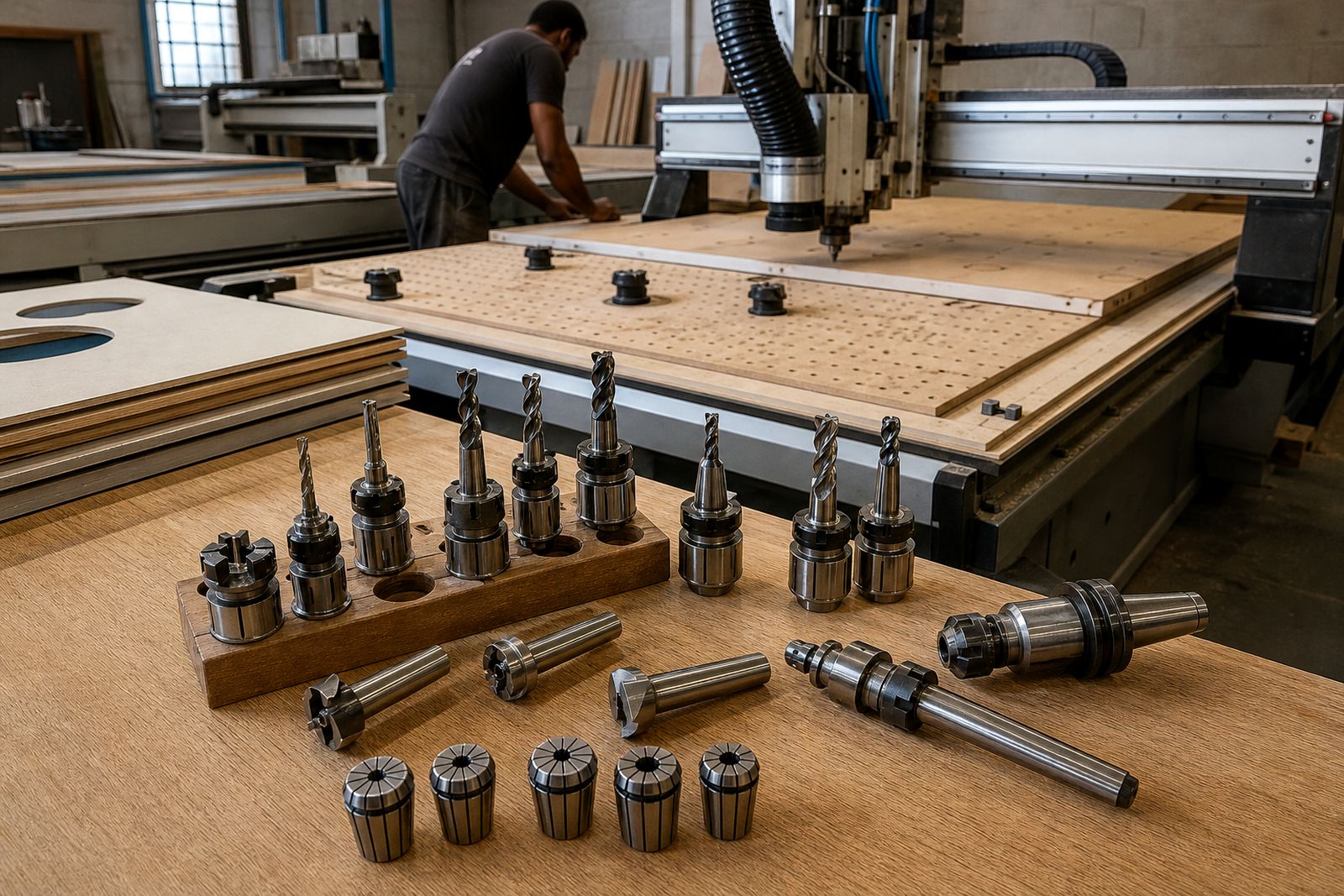
Each Edge Pro size is listed by shank diameter (6, 8, or 12 mm), which matches the ER collets on most local CNC spindles. Flute count affects chip flow, two for aggressive aluminium cuts, four for better finish in steel. The uncoated tools are for aluminium and acrylic, while AlTiN-coated ones last longer on soft steel or short steel passes. Packs are five per size, so you have spares for setup, training, or when you drop one on the floor.
Always check your spindle’s max collet size before ordering. If you’re unsure, measure the old tool with a caliper or ask your machinist to check the collet bore.
Starting feeds and speeds for common jobs
Start with 2-flute tools at 800 mm/min and 18,000 rpm for 6 mm aluminium cuts, and step up feed for thicker shanks. In acrylic, try 1,200 to 1,800 mm/min, and for soft steel (with AlTiN coating), stick to 500 to 700 mm/min at 10,000 to 14,000 rpm. Always run a test cut and adjust for your spindle’s power and your part’s hold-down.
Chip load per tooth should aim for 0.03 to 0.08 mm in aluminium, 0.02 to 0.06 mm in acrylic, and 0.01 to 0.03 mm in soft steel. These are starting points, watch chip colour and listen for spindle load. If you see built-up edge, reduce feed or increase air blast.
- Aluminium: 800 mm/min, 18,000 rpm, 0.05 mm/tooth
- Acrylic: 1,200 mm/min, 18,000 rpm, 0.05 mm/tooth
- Soft steel: 600 mm/min, 12,000 rpm, 0.02 mm/tooth
Check spindle, collet and stick-out first
Before ordering Edge Pro, make sure your spindle takes metric shanks, and your collet isn’t worn or dirty, runout from a bad collet will wreck a new cutter in the first job. Stick-out should be as short as possible for rigidity. Tighten the collet nut to the torque in your spindle’s manual, always with a clean, dry collet and tool.
A quick check with a dial indicator can catch a surprise runout before you start a big nest. If the tool wobbles more than 0.02 mm, check for chips in the taper or collet.
- Metric shanks fit most ER collets
- Keep stick-out short for strength
- Check runout before each nest
What our Cutting Tool customers say
Verified Google reviews
Tell us about the job you need to cut
Send a note through our contact form with your machine, spindle and collet size, the material and thickness, the finish you need and your area, and we will come back with practical cutter options and a quote.
Open the contact form